Schizophrenia Brain Connectivity: What Changes and Why
featured 47178

Summary: Researchers report that reduced connectivity between the thalamus and prefrontal cortex may be a common feature in people with schizophrenia. Source: Vanderbilt University Executive cognitive functions — including working memory, mental control, and self-regulation — are consistently impaired in schizophrenia. Current drug and behavioral treatments offer only modest improvements in these cognitive abilities. In … Read more

Long COVID Blood Markers Linked to Neuropsychiatric Symptoms

featured 83158

Summary: Researchers have found elevated levels of a blood biomarker that can persist for months in people with long COVID who experience neuropsychiatric symptoms. Source: UCSF In a study published March 13, 2022, in the Annals of Neurology, researchers at UC San Francisco reported that certain biomarkers remain elevated for many months in the blood … Read more

Early Hypertension Alters Brain Structure, Raises Dementia Risk

featured 77788

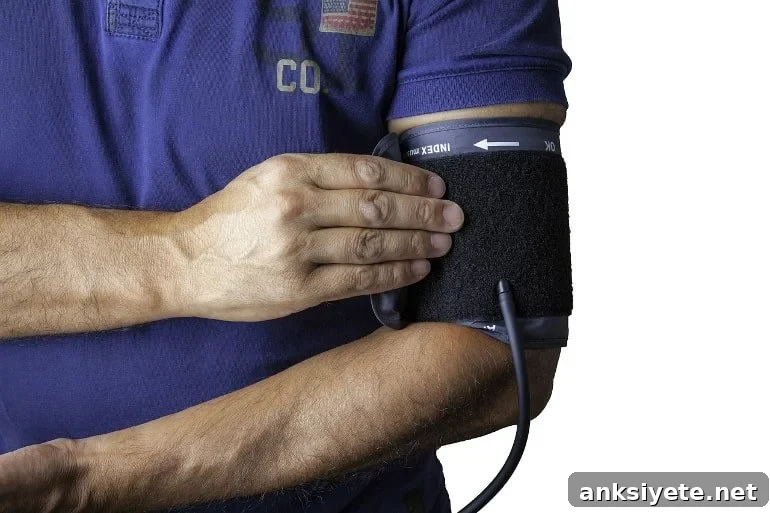
Summary: New research links high blood pressure beginning in a person’s thirties and early forties with smaller overall brain volume and a higher risk of developing dementia later in life. Source: American Heart Association People diagnosed with hypertension between ages 35 and 44 had smaller brain volumes and a greater likelihood of developing dementia than … Read more

Autism-Linked Gene Alters Brain’s Social Hormone Signals

featured 112647

Summary: A new study uncovers how a mutation in the Shank3 gene, linked to autism spectrum disorder, alters social behavior by disrupting vasopressin signaling in a specific brain circuit. In male mice carrying this autism-associated mutation, impaired vasopressin release into the lateral septum reduced sociability and diminished territorial defensive aggression. Researchers established that vasopressin influences … Read more

Walking Patterns Reveal Specific Dementia Types

featured 59700

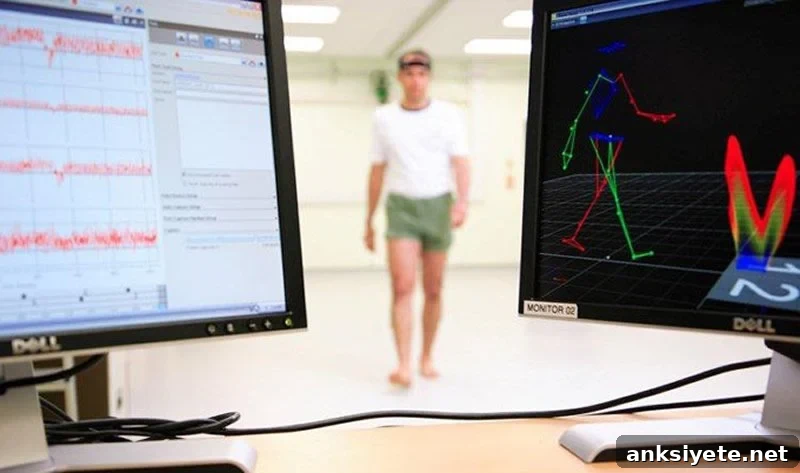
Summary: Researchers at Newcastle University report that people with two common dementia types—Lewy body dementia and Alzheimer’s disease—display distinct walking patterns. Differences in step variability, timing and asymmetry suggest gait could serve as a clinical biomarker to help distinguish dementia subtypes and guide more targeted care. Source: Newcastle University Newcastle University researchers have shown for … Read more

Larger Hippocampal Volume Linked to Faster PTSD Recovery

featured 4901

Multiple studies have reported a link between reduced hippocampal volume and chronic post-traumatic stress disorder (PTSD) in some individuals. Other research suggests that a smaller hippocampus may be a pre-existing risk factor that increases the likelihood of developing or retaining PTSD symptoms after trauma. A recent study indicates that, on average, people with larger hippocampal … Read more

How Sleep Changes with Age and Why It Matters

featured 54957

Summary: New research from the University of Oxford links oxidative stress—the same cellular process implicated in ageing and neurodegenerative disease—with the brain mechanisms that trigger sleep. The study shows oxidative stress activates specific sleep-regulating neurons, a finding that could inform future treatments for insomnia and other sleep disorders. Source: University of Oxford Oxford researchers identify … Read more

How the Brain’s Food-Seeking Circuit Overrides Hunger Signals

featured 100775

Summary: Researchers identified a brain circuit in mice that drives them to seek food even when they are not hungry. The team focused on a specific population of GABAergic neurons in the periaqueductal gray (PAG) of the brainstem, showing that activating these cells prompts vigorous food-seeking and a strong preference for high-calorie, rewarding foods. The … Read more

Eye Tracking to Assess Language Proficiency

featured 48976

Summary: Researchers used eye-tracking technology to evaluate how well people learn English as a second language by analyzing their eye movements while reading. Source: MIT. MIT study shows eye movement patterns reveal English language proficiency Researchers at MIT have demonstrated a novel method for assessing English language proficiency by analyzing eye movements during reading. Using … Read more

How Hunger Changes Decision Making and Risk Perception

featured 10365

Different neural circuits process environmental signals depending on the state of satiation. Hunger changes more than appetite. It alters mood, attention and even willingness to accept risk. This effect appears across many species, including humans. Researchers at the Max Planck Institute of Neurobiology in Martinsried used the fruit fly Drosophila as a genetic model to … Read more