These Neurons Make Overcoming Fear Feel Rewarding
featured 61574

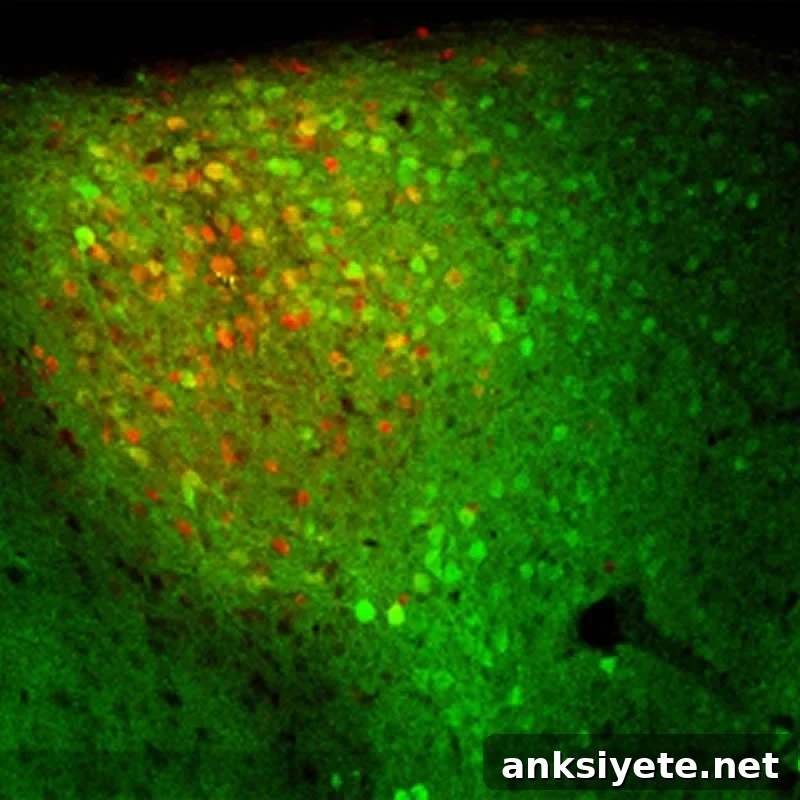
Summary: Fear extinction memories and rewarding feelings are stored in the same genetically defined neurons — those expressing the Ppp1r1b gene in the posterior basolateral amygdala. Source: MIT When an anticipated threat fails to occur, the relief you feel is a genuine positive signal. A new mouse study of fear extinction identifies the precise neurons … Read more


How Mind Wandering Boosts Creativity

featured 49824

Summary: New research challenges the view that mind wandering is always harmful. When tasks do not require sustained attention, people can deliberately let their thoughts drift without compromising performance. Source: Harvard Many students recognize the experience: sitting through a lecture that covers familiar material, your attention drifts to plans for the weekend, dinner ideas, or … Read more

How the Brain Selects One Neural Signal Among Billions

featured 59475

Summary: Two complementary mechanisms help the brain reliably route signals through a noisy biological environment. Source: The Conversation The human brain sends hundreds of billions of neural signals every second. Ensuring each signal reaches the right destination amid constant background activity is a remarkable and complex task. A healthy brain must form and maintain a … Read more

New B-Cell Changes Linked to Postpartum Depression in Women

featured 81794

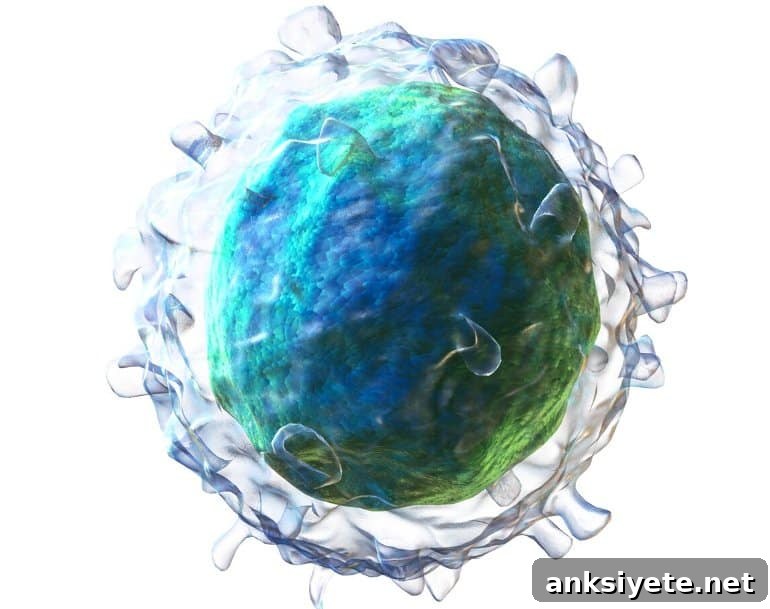
Summary: Researchers identified notable differences in B cells in women diagnosed with postpartum depression. B cells are key immune cells that produce antibodies and release both pro- and anti-inflammatory signals, and these findings point to immune-related pathways that may be involved in PPD. Source: UNC Health Care A new study published in Molecular Psychiatry is … Read more

How Repeated Exposure Trains the Brain to Recognize Faces

featured 43156

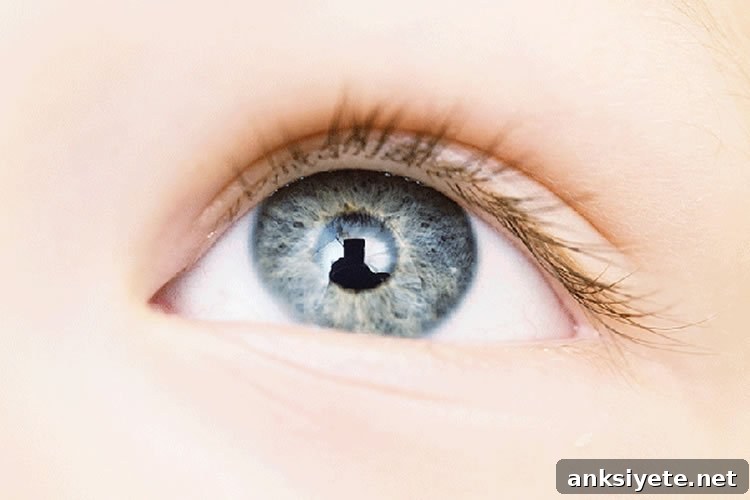
Summary: A Harvard Medical School study finds that exposure to faces during early development is essential for the brain regions that recognize faces to form. Monkeys raised without seeing faces failed to develop face-selective brain patches, showing that experience—rather than an innate template—drives face-domain formation. Source: Harvard Medical School Early Visual Experience Shapes the Brain’s … Read more

Is Drinking Under 6 Cups of Coffee a Day Safe?

featured 56173

Summary: New research links drinking more than six cups of coffee per day with a higher risk of cardiovascular disease. Source: University of South Australia Morning ritual for many, essential for some — whether latte, cappuccino or short black — coffee helps people wake up and focus. But how much coffee is safe? Debates over … Read more

Abstract Reasoning Predicts Future Depression in Older Adults

featured 52432

Summary: New research indicates that declines in abstract reasoning during later life can predict increases in depressive symptoms over time. The study found a consistent association between reduced abstract reasoning and worsening depressive symptoms among older adults. Source: APS Declines in abstract reasoning with age forecast growing depressive symptoms in later years, according to longitudinal … Read more

New Neuropsychiatric Cell Biobank Boosts Brain Disorder Research

featured 25510

Researchers from Harvard Medical School and Massachusetts General Hospital have completed the first phase of a major collaboration to clarify the complex biology underlying neuropsychiatric disorders—an area that has long challenged clinicians and scientists. The team, led by Isaac Kohane (Harvard Medical School) and Roy Perlis (Massachusetts General Hospital), has established a neuropsychiatric cellular biobank … Read more

Preschool Readiness at Age 4 Predicts Teen Outcomes

featured 102454

Summary: A new study led by the University of Leeds, using data from the Connected Bradford project, finds that children assessed as not “school ready” at age 4–5 are significantly more likely to be out of education, employment, or training (NEET) by 16–17 and to achieve lower GCSE results. The findings underline the potential of … Read more

Are Mind-Reading Brain Scanners Leading to Big Brother?

featured 38934

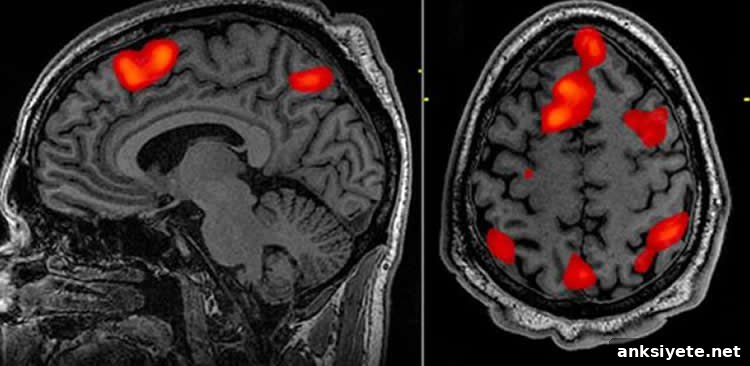
Summary: Researchers are debating the limits of fMRI research and how far it should be allowed to probe the contents of our minds. Source: University of Cambridge. Brain imaging can reveal a great deal about who we are and what is happening inside our heads. But how far can—and should—this research go? Julia Gottwald and … Read more