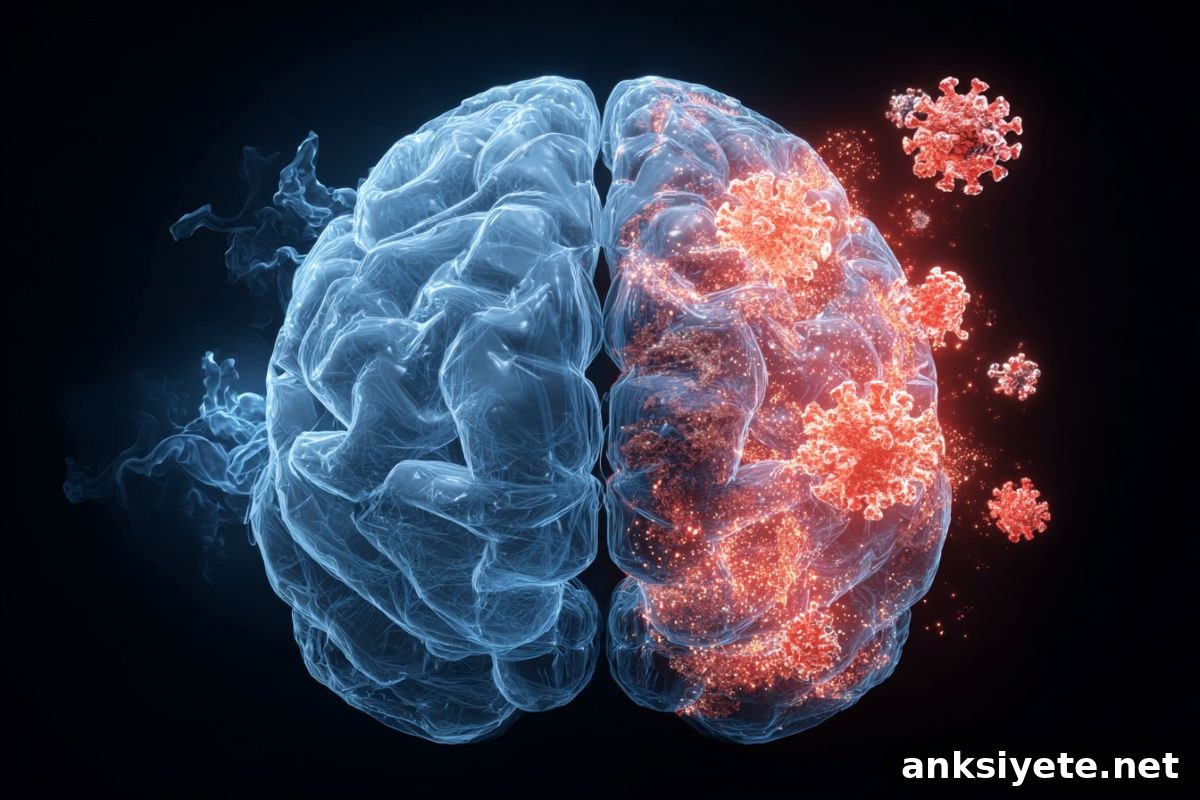
Summary: Late-onset Alzheimer’s disease is one of the world’s most pervasive and damaging neurodegenerative disorders. The APOE ε4 (APOE4) gene variant is the single strongest genetic risk factor linked to this form of Alzheimer’s, but carrying the variant does not guarantee development of the disease. Instead, APOE4 increases vulnerability by triggering chronic, low-grade brain inflammation (neuroinflammation) long before memory loss and structural damage are apparent.
An interdisciplinary research team at the USC Center for Personalized Brain Health (CPBH) has identified a promising biochemical pathway to interrupt this inflammation early, potentially preventing irreversible neuronal damage and altering the course of the disease.
Key Facts
- cPLA2: an inflammatory switch: Under the leadership of Dr. Hussein Yassine, USC researchers linked elevated activity of the enzyme calcium-dependent phospholipase A2 (cPLA2) to APOE4 carriers who progress to dementia. The team has designed small-molecule compounds that selectively inhibit cPLA2, aiming to stop neuroinflammation while preserving normal cellular function.
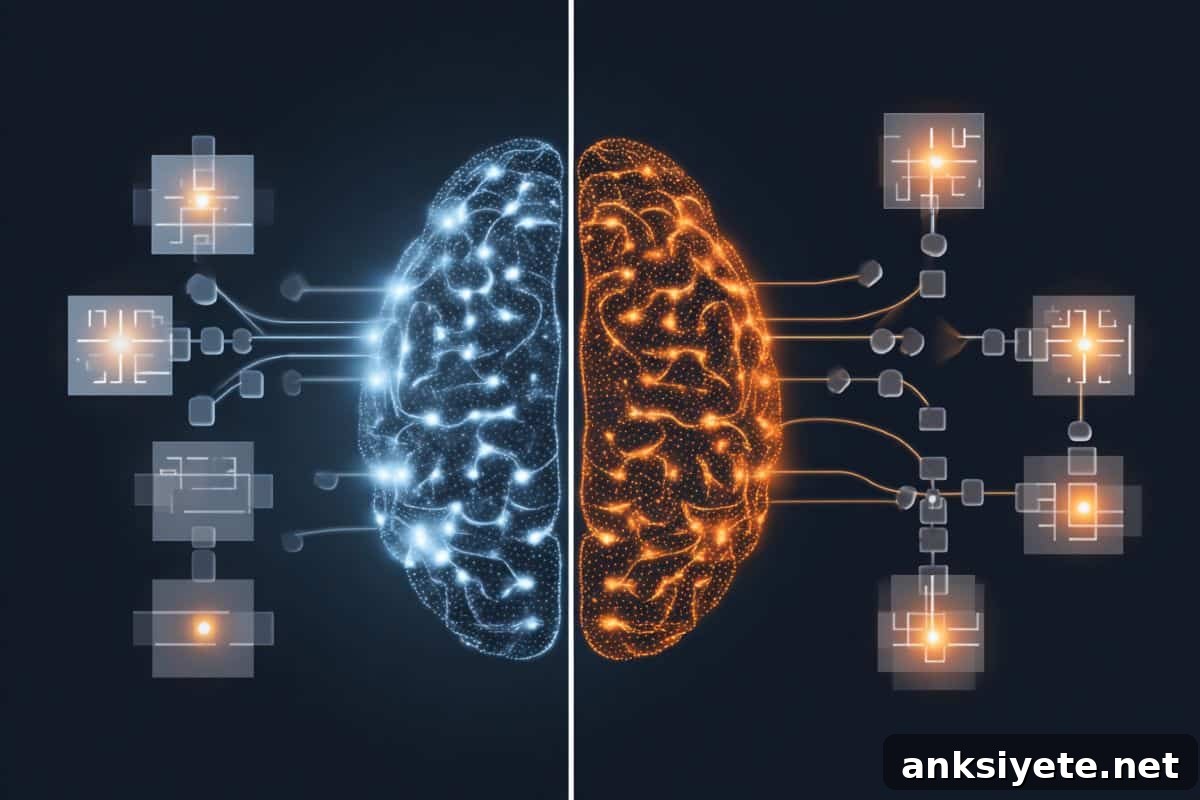
- AI-accelerated drug discovery: Funding will support advanced artificial intelligence to rapidly screen thousands of candidate molecules, prioritizing those likely to cross the blood–brain barrier and block inflammatory enzymes.
- Early-detection registry: USC will establish a specialized registry to identify individuals at high risk for neuroinflammation by combining APOE4 genetic status with cardiovascular risk profiles.
- Neuropathology resource expansion: The gift enables neuropathology efforts to audit and modernize the USC ADRC brain tissue library. Dr. Anne Hiniker will screen more than 1,100 human brain samples for microscopic inflammatory markers.
- Recruitment pathways: High-risk participants will be identified through USC networks including GeneScreen (genetic risk registry) and CPBH SPARK (a lifestyle and brain aging registry), creating a pipeline from discovery to clinical trials.
- Legacy support: The Norman and Mary Pattiz Foundation’s gift honors the philanthropic legacy of Norman Pattiz and Dr. Mary Turner Pattiz by directing substantial resources toward prevention-focused Alzheimer’s research.
Source: USC
Targeting an enzyme family to prevent Alzheimer’s
Researchers at the USC Center for Personalized Brain Health are focused on enzymes that drive inflammation in APOE4 carriers—individuals at highest genetic risk for late-onset Alzheimer’s. By understanding how these enzymes activate inflammatory cascades, the team aims to intervene long before irreversible neurodegeneration occurs.
Dr. Hussein Yassine and collaborators have demonstrated that manipulating these enzymes—either activating or inhibiting specific pathways—can reveal targets suitable for drug development. Their work points to cPLA2 as a critical mediator of damaging neuroinflammation in APOE4 carriers.
The Norman and Mary Pattiz Foundation has provided a $3 million gift to the Keck School of Medicine of USC to accelerate this work, funding novel drug discovery efforts, artificial intelligence screening, enhanced imaging modalities, and expanded early-detection initiatives.
The future in motion
The newly established Norman and Mary Pattiz Alzheimer’s Research Fund will provide pilot funding to accelerate priority projects of the USC Alzheimer’s Disease Research Center (ADRC). Investments will include AI-driven compound screening, imaging development to track inflammation in the brain, and upgrades to the ADRC’s neuropathology library to better detect inflammation markers.
The fund also supports creation of a registry focused on early detection of individuals at elevated risk for neuroinflammation, identified by APOE4 status combined with cardiovascular and lifestyle risk factors. This registry will help match potential therapies to the right participants at the earliest, most actionable stages.
“We are extremely grateful to the Norman and Mary Pattiz Foundation for supporting research that is breaking new ground,” said Helena Chang Chui, MD, director of the ADRC. “Their willingness to back bold hypotheses has helped advance progress in neurodegenerative disease research.”
Karen Kerrigan, Pattiz Foundation Board President, emphasized the couple’s legacy of innovation: “Norman and Mary Pattiz were trailblazers in their careers, and this gift carries their spirit of determination into the fight against Alzheimer’s.”
Board members Larry Freeman, Paul Krasnow, and Jeff Hershberg—longtime friends and colleagues of Norman Pattiz—note that personal experience with loved ones affected by Alzheimer’s inspired their commitment to this cause.
Searching for clues in brain tissue
The gift establishes the Norman and Mary Pattiz Foundation Endowed Associate Professorship in Neuropathology to support focused work within the ADRC. The inaugural holder, Dr. Anne Hiniker, director of the USC ADRC Neuropathology Core, will use protected research time to screen the center’s large brain tissue collection for signs of inflammation and other early disease markers.
Dr. Hiniker will examine over 1,100 samples to map microscopic inflammatory signposts and connect those findings to clinical histories and genetic profiles, helping to pinpoint pathways for intervention and therapeutic development.
“I am honored to serve as the inaugural Pattiz Endowed Associate Professor,” Dr. Hiniker said. “We aim to honor the Pattiz legacy with ambitious work that opens new therapeutic avenues for Alzheimer’s disease.”
Two creative donors
Norman Pattiz founded Westwood One in 1976, building it into a major radio syndication company and earning recognition in the National Radio Hall of Fame. He devoted philanthropic energy to communications, education, and science and served on a range of institutional boards.
Mary Turner Pattiz began her career as a prominent radio disc jockey known as “The Burner, Mary Turner,” and later earned a PhD in clinical psychology. She chaired the Betty Ford Center and helped guide its merger into the Hazelden Betty Ford Foundation, continuing service on that foundation’s board.
Norman and Mary Pattiz passed away in 2022 and 2023, respectively. Their foundation continues to honor their values through strategic philanthropic investments, including prior support for cancer research and now a major commitment to Alzheimer’s prevention at USC.
Focusing on brain health and possible therapies
APOE4 increases risk but does not determine fate. CPBH studies led by Dr. Yassine found that individuals with elevated cPLA2 are more likely to develop dementia. Building on that observation, the team identified candidate molecules that selectively inhibit cPLA2 while preserving normal cell function. Their next steps are to validate these targets, expand the search for other drivers of neuroinflammation, and advance the most promising compounds toward human trials.
“Our goal is to determine whether these targets and treatment pathways are safe, feasible, and clinically meaningful,” said Dr. Yassine. “Thanks to the Pattiz Foundation’s generosity, we can pursue these critical questions more quickly and comprehensively.”
Key Questions Answered:
A: Traditional efforts focused on removing amyloid plaques, but clinical trials show that eliminating plaques late in the disease rarely reverses dementia. USC’s approach targets neuroinflammation, an early and persistent driver of damage—especially in APOE4 carriers. By intervening early with compounds that calm inflammatory enzymes, researchers aim to preserve neural connections and prevent disease progression before structural damage occurs.
A: cPLA2 (calcium-dependent phospholipase A2) regulates inflammatory signaling. Dr. Yassine’s team found that APOE4 carriers who develop dementia often show overactive cPLA2. That overactivity locks the brain’s immune system into a damaging, chronic inflammatory state. Selective inhibitors can dial back cPLA2 activity, returning inflammatory signaling to a safer baseline without disrupting normal cellular functions.
A: Flexible, early-stage funding addresses common bottlenecks in academic drug development. The gift supports AI-driven screening to identify promising molecules, upgrades the ADRC’s brain tissue library to discover inflammation markers, and funds a registry to identify high-risk participants. Together these resources shorten the path from discovery to targeted clinical testing, helping move the safest and most effective candidates into human studies faster.
Editorial Notes:
- This article was edited by a Neuroscience News editor.
- The referenced journal paper was reviewed in full.
- Additional context was added by staff reviewers.
About this Alzheimer’s disease research news
Author: Laura LeBlanc
Source: USC
Contact: Laura LeBlanc – USC
Image: The image is credited to Neuroscience News