
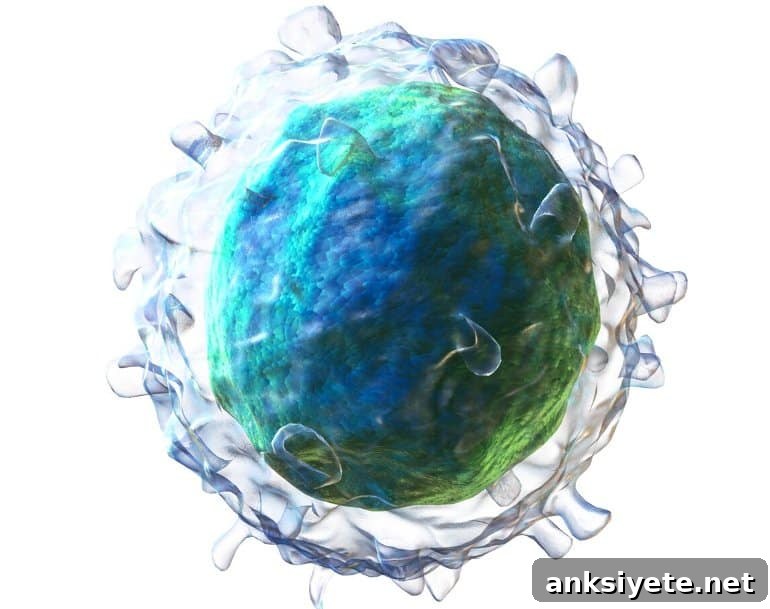
Summary: Researchers identified notable differences in B cells in women diagnosed with postpartum depression. B cells are key immune cells that produce antibodies and release both pro- and anti-inflammatory signals, and these findings point to immune-related pathways that may be involved in PPD.
Source: UNC Health Care
A new study published in Molecular Psychiatry is the first to examine multiple biological layers in women with postpartum depression (PPD), comparing them to women without the disorder. PPD affects approximately one in seven mothers and carries significant mental health consequences for both parent and child, yet the biological mechanisms remain largely unclear.
“We don’t have PPD figured out,” said lead author Jerry Guintivano, Ph.D., assistant professor in the UNC Department of Psychiatry. Conventional research often centers on candidate genes and hormonal changes, and while there are emerging medication strategies specific to PPD, the condition likely arises through multiple biological routes and presents differently across individuals.
To address this complexity, Guintivano and colleagues at the UNC School of Medicine performed the largest transcriptome-wide association study (TWAS) for postpartum depression to date. Unlike prior work that analyzed whole blood as a single tissue, this study separated blood into its cellular components to detect cell type–specific differences.
The research team collected blood samples from 1,500 racially and ethnically diverse women across North Carolina who had delivered within the previous six weeks; 482 of those participants met diagnostic criteria for PPD. The investigators used RNA sequencing, DNA genotyping, and DNA methylation profiling—three distinct biological layers—to identify differences between women with and without postpartum depression.
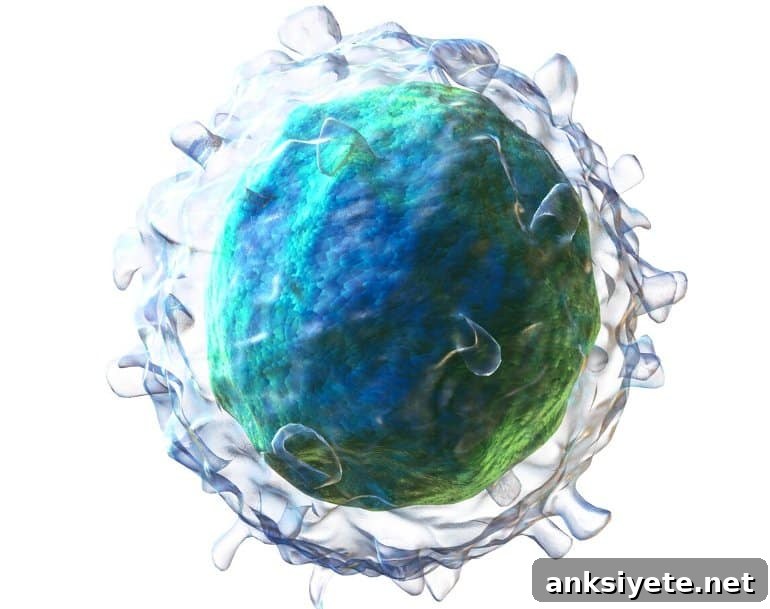
Across these analyses, the most pronounced differences were observed in B cells. B cells are central to adaptive immunity: when their B-cell receptor recognizes an antigen, the cells activate, produce specific antibodies, and release a range of signaling molecules that can be pro- or anti-inflammatory. Changes in B-cell activity could therefore influence inflammatory balance during the perinatal period.
“There’s a really delicate interplay of the immune system during pregnancy,” Guintivano explained. The maternal immune system must guard against infection while tolerating the developing fetus; after delivery, hormones and immune pathways transition back toward pre-pregnancy states. Disruptions in that recalibration could relate to mood changes experienced by some women.
In women with PPD, the study identified thousands of B-cell transcripts that differed from those in women without PPD. Some of these transcriptional differences were linked to genetic variants and to patterns of DNA methylation. Pathway analyses supported altered B-cell activation as well as signals related to insulin resistance as key pathways implicated by the data.
Guintivano emphasized that these results mark an important first step rather than a final explanation. “This is the largest study of its kind, but we still don’t know why B cells are changing,” he said. “Are these B-cell alterations a cause of PPD, a consequence of other physiological shifts, or a compensatory response? Determining directionality requires further research.”
The team plans longitudinal studies that follow women across pregnancy and the postpartum period to track how B-cell signatures evolve over time. Such prospective work could clarify whether changes precede symptom onset or emerge afterward. Guintivano also highlighted the essential role of study participants: many new mothers enrolled while their infants were only weeks old, contributing crucial data during a time when demands on caregivers are intense.
About this PPD research news
Author: Press Office
Source: UNC Health Care
Contact: Press Office – UNC Health Care
Image: The image is credited to Blausen.com staff (CC BY-SA 4.0)
Original Research: Open access. “Transcriptome-wide association study for postpartum depression implicates altered B-cell activation and insulin resistance” by Jerry Guintivano et al., Molecular Psychiatry.
Abstract
Transcriptome-wide association study for postpartum depression implicates altered B-cell activation and insulin resistance
Postpartum depression affects about one in seven women and can have lasting mental health effects for both mother and child. To better understand underlying biology, the authors conducted the largest TWAS for PPD to date, involving 482 cases and 859 controls, and applied RNA sequencing to whole blood and to isolated blood cell types.
No significant transcriptional differences were detected when analyzing whole blood as a bulk tissue. However, B cells showed the majority of transcriptome-wide significant signals—891 transcripts mapping to 789 genes—with pathway analysis highlighting altered B-cell activation and links to insulin resistance. Integration with DNA methylation and genetic data identified cell type–specific methylation loci and disease-associated expression quantitative trait loci (deQTLs) that partially explain the transcriptional differences between cases and controls. Hormones and neuropeptides measured in the study (including estradiol, progesterone, oxytocin, and BDNF) did not account for the observed transcriptional variation. Some deQTLs overlapped with brain region–specific eQTLs, but the researchers found no direct overlap with known major depressive disorder risk loci.
Taken together, these multi-layer findings converge on immune-related pathways—particularly B-cell activation—and metabolic signals as avenues for continued investigation into the biology of postpartum depression.