
UCLA Researchers Use Patient-Derived iPS Cells to Model Ataxia Telangiectasia and Identify Promising Drug Candidates
Researchers led by Dr. Peiyee Lee and Dr. Richard Gatti at the Eli and Edythe Broad Center of Regenerative Medicine and Stem Cell Research at UCLA have advanced disease-in-a-dish modeling for the rare genetic disorder ataxia telangiectasia (A-T) using induced pluripotent stem (iPS) cells.
Using skin cells from A-T patients, the team reprogrammed those cells into iPS cells and then guided them to become neural cells in the laboratory. These patient-specific neural cells allowed the researchers to reproduce key features of A-T in a controlled, human cellular model. Their findings, which demonstrate the potential benefit of novel small-molecule drugs, appear in Nature Communications.
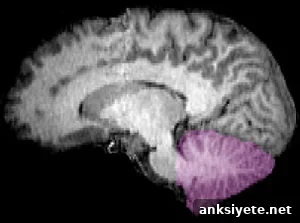
Ataxia telangiectasia is caused by loss of function in the ATM gene, a critical regulator of DNA repair and cellular responses to DNA damage. Clinically, individuals with A-T experience early neurological problems that worsen as the cerebellum—the brain region responsible for coordination—degenerates. Patients also face recurrent infections due to immune dysfunction and have an elevated cancer risk. Because the disease manifests differently in humans than in commonly used animal models, human neural cell models are essential for understanding disease mechanisms and testing potential therapies.
Mouse models of A-T, while informative for many studies, do not fully replicate the severe cerebellar degeneration and movement impairment observed in humans. To overcome this limitation, the UCLA team developed neural derivatives from patient-specific iPS cells carrying a particular class of ATM gene mutations. In these neural cells the researchers observed the expected A-T cellular hallmarks: reduced or absent ATM protein and defective DNA repair.
Importantly, the model served as a testing ground for a class of therapeutic candidates known as SMRT compounds—small-molecule read-through agents. In the patient-derived neural cells, SMRT compounds increased ATM protein activity and improved the cells’ ability to repair DNA damage. The researchers emphasize that even modest restoration of ATM function could have meaningful clinical benefit: patients with partial ATM activity generally experience milder symptoms and a slower disease course compared with individuals lacking ATM activity entirely.
This work suggests several important implications for A-T research and therapy development. First, patient-specific iPS cell–derived neural models faithfully capture human disease features and therefore provide a more relevant platform than some animal models for studying neurodegeneration in A-T. Second, SMRT compounds that restore ATM activity in these human neural cells may not only protect neurons but could also improve immune system function and reduce cancer susceptibility in people with A-T. Finally, the same iPS cell–based screening approach could be used to discover and optimize more potent SMRT drugs and may be applicable to other genetic diseases caused by similar types of mutations.
Research support and acknowledgments
This study was supported by training and research grants from the California Institute of Regenerative Medicine, the National Institutes of Health, APRAT, A-T Ease, and the Scott Richards Foundation. The work reported here reflects efforts to translate patient-derived stem cell models into drug-discovery platforms for neurogenetic disease.
Author and source information
Written by: Shaun Mason
Contact: Shaun Mason – UCLA
Source: University of California at Los Angeles press release
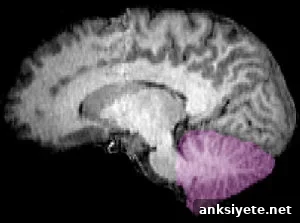
Image source: The MRI brain scan with the cerebellum highlighted is in the public domain.
Original research: Abstract for “SMRT compounds abrogate cellular phenotypes of ataxia telangiectasia in neural derivatives of patient-specific hiPSCs” by Peiyee Lee, Nathan T. Martin, Kotoka Nakamura, Soheila Azghadi, Mandana Amiri, Uri Ben-David, Susan Perlman, Richard A. Gatti, Hailiang Hu and William E. Lowry in Nature Communications. Published online May 7, 2013. DOI: 10.1038/ncomms2824.