
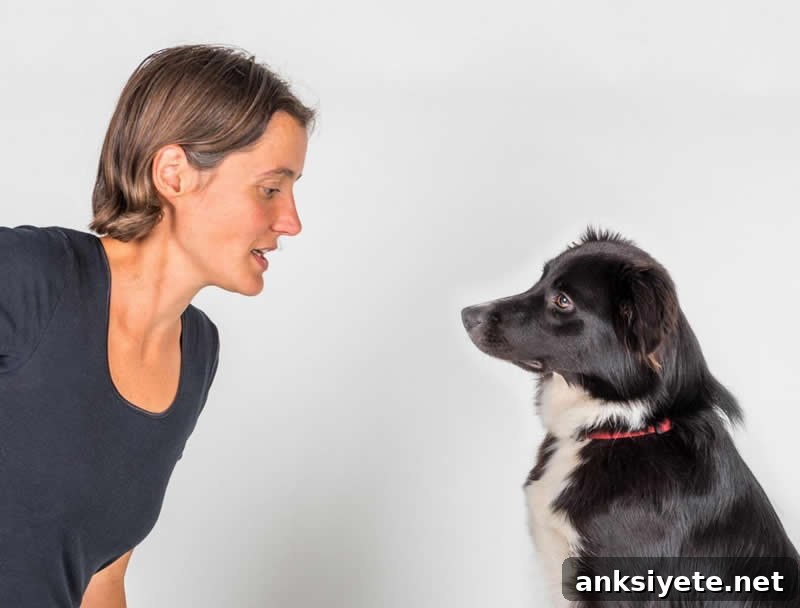
Summary: Human capacity to interpret dogs’ facial expressions develops with age and experience and appears to be shaped by cultural exposure rather than by an evolved, species-specific ability.
Source: Max Planck Institute
Dogs were the first animals domesticated by humans, and for more than 40,000 years people and dogs have shared social lives and interactions. The co‑domestication hypothesis proposes that this long association created opportunities for both species to develop signals and cognitive skills that improve mutual understanding. While research has documented dogs’ growing sensitivity to human words, gestures and emotional cues, surprisingly little systematic work has examined how well humans interpret dog signals—especially facial expressions.
Researchers led by Federica Amici at the Max Planck Institute for Evolutionary Anthropology and Juliane Bräuer at the Max Planck Institute for the Science of Human History investigated how accurately people identify emotions from dogs’ faces and where that ability comes from.
How well do we understand our species’ best friend?
To assess human recognition of canine facial expressions, the research team assembled a set of photographs showing dogs, chimpanzees, and humans displaying five emotion categories: happy, sad, angry, fearful, and neutral; these categorizations were supported by the photographers’ reports. The study tested 166 participants—89 adults and 77 children—grouped by age, whether they grew up in a cultural context that values dogs (a “dog‑positive” milieu), and their personal history of dog ownership.
Each participant was shown the photographs and asked to rate how strongly the subject in each image displayed happiness, sadness, anger or fear. Adult participants also judged the likely context of each image (for example, whether it depicted play with a trusted partner or preceded an aggressive encounter). Results revealed that some emotional states—specifically anger and happiness—are recognized reliably from a young age. However, the ability to consistently identify a broader range of dog emotions increases with age and experience. Among adults, those from cultures where dogs are commonly integrated into human life and viewed positively were more likely to identify dog emotions correctly, even if they had not personally owned a dog.
Without a dog-positive context, we could be barking up the wrong tree
Growing up in a dog‑positive cultural environment appears to provide passive exposure, increased interest, or learned attention to canine signals—factors that improve emotion recognition even in the absence of direct pet ownership. As Federica Amici explains, these findings imply that the cultural setting in which a person develops plays a crucial role in learning to read dog cues, not solely direct interactions with dogs.
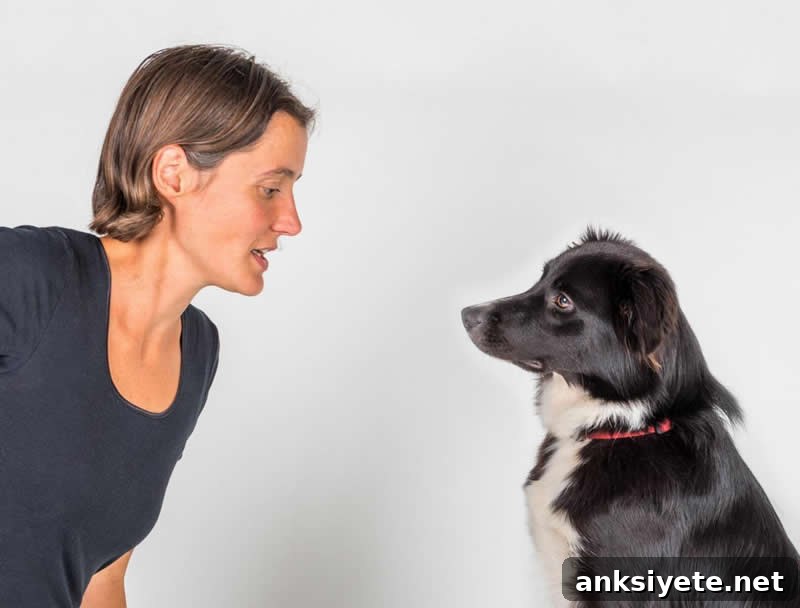
The study found that recognition of anger and happiness was consistently good across ages and experience levels. This might reflect either rapid learning from limited exposure or an evolutionarily supported sensitivity to these particular expressions. For other emotions, children performed poorly: they identified anger and happiness in dogs better than in chimpanzees but otherwise showed little ability to read canine emotions. This pattern indicates that understanding a wider array of dog expressions is not an innate human skill but one that develops with exposure, cultural context and maturation.
Juliane Bräuer suggests that future studies should identify which cultural features most strongly influence people’s ability to read dog emotions. She also recommends expanding research beyond posed facial images to include naturalistic body language and situational cues. Better knowledge of cross‑cultural differences in emotion recognition could help reduce misunderstandings and prevent negative encounters between people and dogs caused by misreading canine signals.
Source:
Max Planck Institute
Media Contacts:
Petra Mader – Max Planck Institute
Image Source:
Image credited to Sylvio Tüpke.
Original Research: Open access
“The ability to recognize dog emotions depends on the cultural milieu in which we grow up.” Federica Amici, James Waterman, Christina Maria Kellermann, Karimullah Karimullah & Juliane Bräuer. Scientific Reports. DOI: 10.1038/s41598-019-52938-4.
Abstract
The ability to recognize dog emotions depends on the cultural milieu in which we grow up
Inter‑specific emotion recognition is particularly useful when species live closely together over long periods, as with humans and dogs. This study examined how well people can identify facial expressions associated with dog emotions. Participants evaluated images of dogs, humans and chimpanzees showing angry, fearful, happy, neutral and sad expressions, and were also asked to infer the context of the scene. Participants included children and adults with differing levels of dog experience shaped by personal ownership and cultural exposure to dogs. Findings show that some emotions—anger and happiness—are recognized early and relatively independently of experience, but that the broader ability to read dog emotions mainly develops through experience. Adults raised in dog‑friendly cultural environments had a higher probability of recognizing dog emotions, likely due to increased exposure, attention or interest in dogs.