
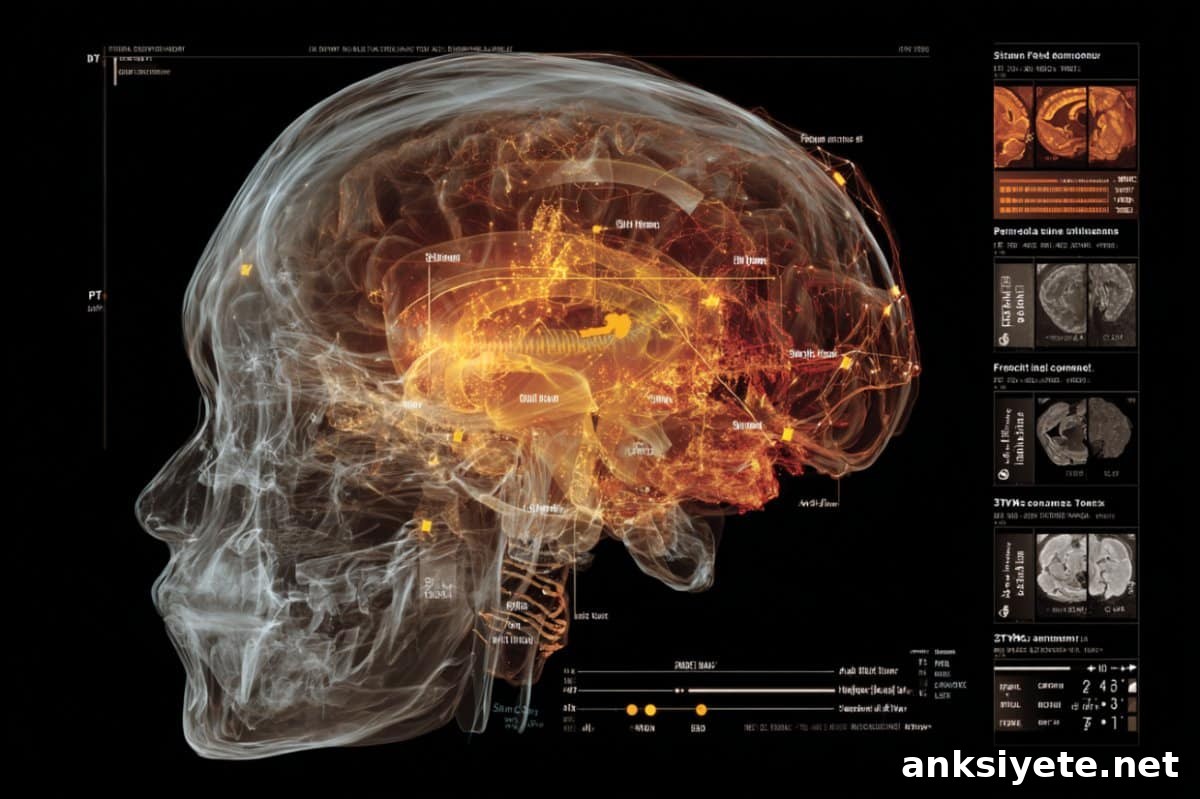
Summary: A new PET imaging study has identified distinct patterns of neuroinflammation in patients with progressive apraxia of speech (PAOS), a rare neurodegenerative disorder that disrupts the brain’s ability to plan and program speech movements. Using TSPO PET imaging with the radiotracer 11C-ER176, researchers observed increased inflammation in regions that control speech and motor function. Inflammation was especially pronounced in patients who also presented features of Parkinson-plus syndromes, and the spatial pattern of inflammation corresponded with tau pathology and clinical severity. These results suggest that neuroinflammation could help serve as an early biomarker for disease progression and a possible target for therapeutic strategies in tau-related neurodegeneration.
The study links localized inflammatory activity to known sites of tau accumulation and to clinical features, offering new insight into disease mechanisms in PAOS. By mapping inflammation across many brain regions, investigators were able to compare patterns between PAOS patients with and without Parkinson-plus features, and to contrast both groups with healthy control participants.
Key Findings
- Inflammation hotspots: TSPO PET scans revealed elevated neuroinflammation in speech and motor control areas, including the premotor cortex, frontal lobes, basal ganglia, and midbrain.
- Parkinson-plus association: Patients who also had Parkinson-plus clinical features showed broader and stronger inflammatory signals, and a tighter spatial correspondence between inflammation and tau measurements.
- Biomarker potential: The presence and distribution of neuroinflammation may provide a useful biomarker for tracking PAOS progression and for stratifying patients in future clinical trials of anti-inflammatory or anti-tau therapies.
This research was presented at the Society of Nuclear Medicine and Molecular Imaging 2025 Annual Meeting.
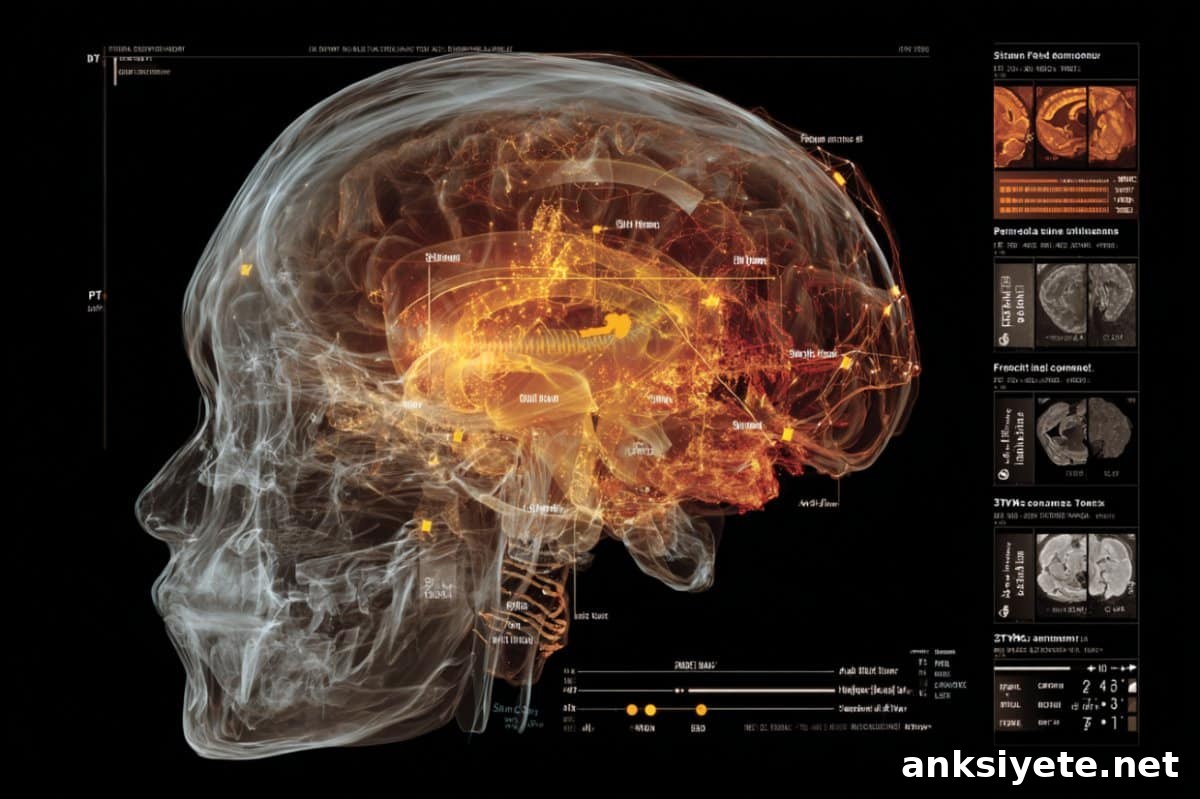
Progressive apraxia of speech is characterized by gradual deterioration in the ability to plan and coordinate the precise movements needed for spoken language. Clinically, PAOS manifests as a slowed speaking rate, distorted or imprecise sounds, and increased effort with facial and articulatory movements during speech. Over time, some patients develop additional movement and cognitive signs that fulfill criteria for Parkinson-plus disorders such as progressive supranuclear palsy or corticobasal syndrome, and neuropathological studies often reveal 4-repeat tauopathy at autopsy.
Previous neuroimaging work has documented brain atrophy and regional tau accumulation in premotor and subcortical structures in PAOS. However, until now the topography of neuroinflammation—and its relationship to both Parkinson-plus clinical features and tau deposition—had not been fully mapped. The current study addresses that gap by using 11C-ER176, a TSPO-binding radioligand that highlights activated microglia and related inflammatory responses in vivo, to create a spatial profile of inflammation across the brains of affected patients.
The investigators examined 25 patients with clinically diagnosed PAOS, of whom 13 exhibited Parkinson-plus symptoms, and compared them with 30 healthy control participants. Each person underwent 11C-ER176 TSPO PET imaging. Using a standardized brain atlas, the research team analyzed PET signal across 84 brain regions to quantify inflammation and to assess its relationship with tau PET signal and clinical measures.
Results showed that patients with PAOS had significantly higher TSPO PET signal than controls in regions central to motor planning and speech production—the premotor cortex, frontal lobes, basal ganglia, and midbrain among them. The subgroup with Parkinson-plus features demonstrated wider areas of elevated uptake and stronger region-by-region correlations with tau PET signals, suggesting that more extensive neuroinflammation accompanies both greater tau pathology and more complex clinical syndromes.
According to Ryota Satoh, assistant professor at the Mayo Clinic in Rochester, Minnesota, these findings help clarify the neuroinflammatory component of PAOS and underscore the potential utility of neuroinflammatory PET as a biomarker. Mapping inflammation in vivo could improve early diagnosis, enable more precise monitoring of disease progression, and inform the design of trials testing anti-inflammatory or anti-tau treatments.
About this neuroimaging research news
Author: Rebecca Maxey
Source: SNMMI
Contact: Rebecca Maxey – SNMMI
Image: Image credited to Neuroscience News
Original Research: Findings were presented at the Society of Nuclear Medicine and Molecular Imaging 2025 Annual Meeting