
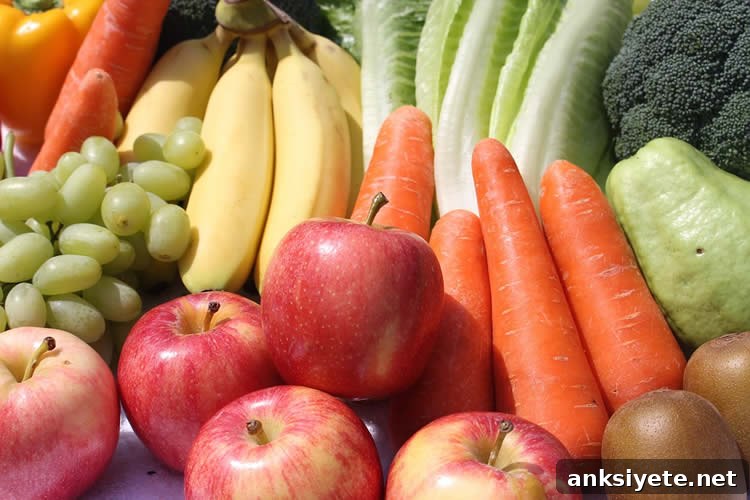
Summary: Researchers report that consuming adequate dietary fiber from breads, cereals and fruits can reduce the risk of disease and disability commonly associated with aging.
Source
Westmead Institute for Medical Research
Dietary Fiber Linked to More Successful Aging
Most people already know that fiber helps maintain digestive regularity. New research from the Westmead Institute for Medical Research adds a compelling reason to prioritize fiber in the diet: higher fiber intake was strongly associated with “successful aging,” a multidimensional outcome that captures the absence of chronic disease, disability and decline in mental and physical function.
The findings come from an analysis published in The Journals of Gerontology: Medical Sciences. Scientists used data from the Blue Mountains Eye Study, a population-based cohort that followed more than 1,600 adults aged 50 and older. The team examined multiple carbohydrate-related dietary measures—total carbohydrate, total fiber, glycemic index (GI), glycemic load (GL), and sugar intake—to determine which factors were associated with healthy ageing over a 10-year period.
Of all the carbohydrate variables assessed, total dietary fiber stood out. Participants with the highest fiber intake had substantially greater odds of aging successfully. Successful aging was defined broadly to include no disability, no depressive symptoms, no cognitive impairment, no chronic respiratory symptoms, and absence of major chronic diseases such as cancer, coronary artery disease and stroke.
Key Result
Lead author Associate Professor Bamini Gopinath of the Institute’s Centre for Vision Research emphasizes that this study is among the first to evaluate carbohydrate nutrition in relation to healthy ageing. The most striking result was that individuals in the highest quartile of total fiber intake were approximately 80 percent more likely to achieve successful aging over the 10-year follow-up than those in the lowest quartile, after adjusting for relevant confounders. In practical terms, higher consumption of fiber-rich foods was linked to lower odds of developing hypertension, diabetes, dementia, depression and functional disability during the follow-up period.
Although sugar intake is often considered a major dietary risk factor for poor health, this particular cohort—older adults in the study—reported relatively low consumption of carbonated and sugary drinks, which may help explain why sugar did not emerge as the primary driver of differences in aging outcomes in this analysis.
Implications and Next Steps
While the results are promising, the authors caution that it is premature to issue specific dietary recommendations based solely on this single analysis. Instead, the study opens avenues for further research: replication in other large cohorts, exploration of dose–response relationships, and investigation of biological mechanisms that could explain how fiber-rich foods support long-term health and function. Potential mechanisms may involve effects on cardiovascular risk factors, blood glucose regulation, inflammation and gut microbiota, but this study itself did not test mechanistic pathways.
These findings align with the team’s earlier research showing that overall adherence to national dietary guidelines is linked to healthier ageing, reinforcing the public health message that a balanced diet rich in whole grains, fruits and vegetables supports long-term well-being.
In a related study published previously in The Journals of Gerontology: Medical Sciences, researchers from the Westmead Institute reported that adults who followed recommended dietary guidelines more closely reached older age with fewer chronic diseases and disabilities and maintained better mental and functional health.
Original research: Association Between Carbohydrate Nutrition and Successful Aging Over 10 Years. Authors: Bamini Gopinath, Victoria M. Flood, Annette Kifley, Jimmy C. Y. Louie, and Paul Mitchell. The study was published online June 1, 2016, in The Journals of Gerontology: Medical Sciences.
Abstract (Summary)
Background: This prospective study examined relationships between dietary glycemic index and load, total carbohydrate, sugars, and fiber intake (including fiber from fruits, vegetables and breads/cereals) and successful aging using a multidomain definition.
Methods: A total of 1,609 adults aged 49 and older who were free of cancer, coronary artery disease, and stroke at baseline were followed for 10 years. Dietary data were collected using a semiquantitative food frequency questionnaire. Successful aging was assessed at follow-up visits and defined as the absence of disability, depressive symptoms, cognitive impairment, respiratory symptoms, and major chronic diseases.
Results: After 10 years, 249 participants (15.5%) met the criteria for successful aging. Dietary GI, GL and total carbohydrate intake were not significantly associated with successful aging. Higher total fiber intake was independently associated with greater odds of aging successfully—participants in the highest quartile of total fiber had increased odds compared with those in the lowest quartile (multivariable-adjusted odds ratio 1.79, 95% confidence interval 1.13–2.84). Consistently low intake of fiber from breads/cereals and from fruit was associated with reduced likelihood of successful aging.
Conclusions: Consumption of dietary fiber—particularly from breads/cereals and fruits—was independently associated with an increased likelihood of aging successfully over 10 years. Increasing intake of fiber-rich foods may be a viable strategy to help people reach older age in good health and functioning.