Nerve-Less Sponge Sheds Light on Nervous System Evolution

featured 6658

UC Santa Barbara researchers have looked to a humble sponge to uncover clues about how complex nervous systems evolved, finding that sponges possess many synapse-related genes but lack the regulatory coordination that assembles those genes into functioning neural connections. The results, reported in the paper “Functionalization of a protosynaptic gene expression network,” appear in the … Read more

New Cell Type Linked to Chronic Pain and Inflammation

featured 72131

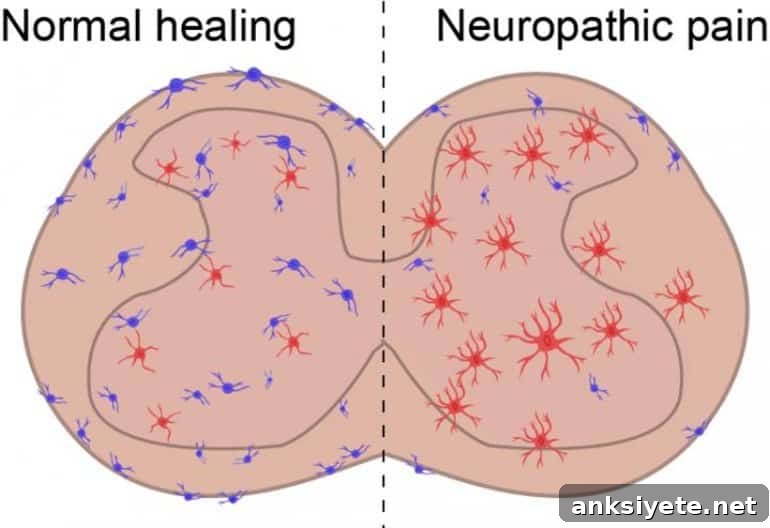
Summary: MRC1+ spinal macrophages become dysfunctional in animal models of neuropathic pain. Restoring their anti-inflammatory activity by driving expression of CD163 reduced neuroinflammation and improved pain-related behaviors in mice. Source: UNC Health Care Chronic pain frequently involves persistent inflammation in the nervous system. Researchers at the UNC School of Medicine report that a subset of … Read more

Ancient DNA Reveals Why Modern Alzheimer’s and MS Are Rising

featured 99607

Summary: Researchers have assembled the largest ancient human gene bank to date, analysing DNA from nearly 5,000 individuals. This resource reveals how migrations shaped the distribution of genes linked to modern diseases and offers fresh insight into the origins of conditions such as multiple sclerosis and other neurodegenerative disorders. An international team compared genomes extracted … Read more

Hidden Wiring Patterns in the Brain Connectome

featured 87211

Summary: Researchers identify a hidden order in what appeared to be random synaptic connection strengths between neurons. Source: University Hospital Bonn The brain constructs perception through vast networks of neurons linked by synapses, where both the number and strength of those links can differ across cell types and over time. A collaborative team from University … Read more

Some Severe Brain Injury Patients Show Better Long-Term Outcomes

featured 76022

Summary: One in four patients who were in a vegetative state after severe head trauma regained orientation — able to recall their identity, location, and the date — within 12 months of injury. Source: UCSF New findings strengthen the case that decisions to withdraw life-sustaining treatment for people with moderate-to-severe traumatic brain injury (TBI) should … Read more

New Genome Study Reveals Genetic Drivers of Traits

featured 113862

Summary: Using whole-genome sequencing from 347,630 people, researchers quantified how much genetic variation explains human traits such as height, body mass index (BMI), fertility and disease risk. The study shows genes account for roughly 30% of variation on average, with higher heritability for traits like height and lower for traits such as fertility. By leveraging … Read more

Researchers Unveil Image Fusion Method Using Blending Techniques

featured 19794

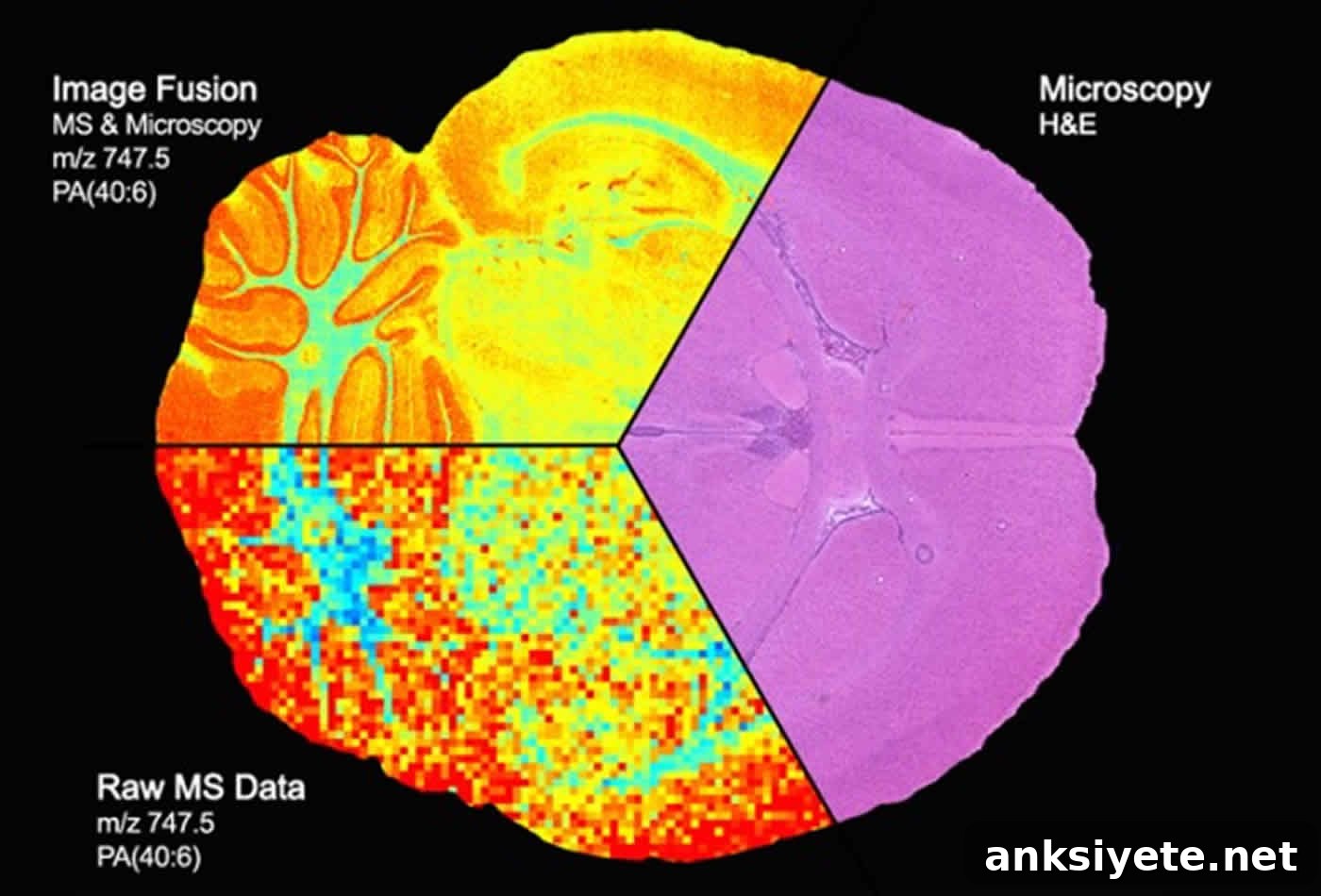
Vanderbilt University researchers have produced the first successful “image fusion” combining mass spectrometry and microscopy, a technical breakthrough that could significantly enhance molecular tissue mapping and improve cancer diagnosis and treatment. Bringing Molecular Detail to High-Resolution Tissue Imaging Microscopy delivers high-resolution structural images of tissues, revealing cell shapes and tissue architecture. However, it provides limited … Read more

How AI Predicts Your Mortality Risk

featured 71114

Summary: A new machine learning algorithm trained on echocardiogram videos can accurately predict which patients are likely to die within a year. Source: Geisinger Health System Researchers at Geisinger have developed a deep-learning model that analyzes echocardiogram videos to predict one-year all-cause mortality with high accuracy. The algorithm—an application of machine learning and artificial intelligence … Read more

Schizophrenia Causes: Genetics and Environmental Factors

featured 103961

Summary: A recent review synthesizes current knowledge about the genetic architecture of schizophrenia, identifying nearly 300 common genetic variants and more than 20 rare variants that increase risk. The authors emphasize that schizophrenia arises from a complex, polygenic landscape rather than a single-gene cause, and they highlight the continuing importance of environmental contributors such as … Read more

Repeating Verbs and Nonverbs Strengthens Syntactic Priming

featured 40017

Summary: New research shows that repeating non-verbs as well as verbs increases syntactic priming, the tendency to reuse recently heard sentence structures. Source: HSE Researchers from the University of Glasgow and HSE/Northumbria report that repeating content words—both verbs and non-verbs—can strengthen syntactic priming, making speakers more likely to reproduce the sentence structure they have just … Read more