Wireless, Battery-Free Optogenetic Control of Neurons
featured 53203

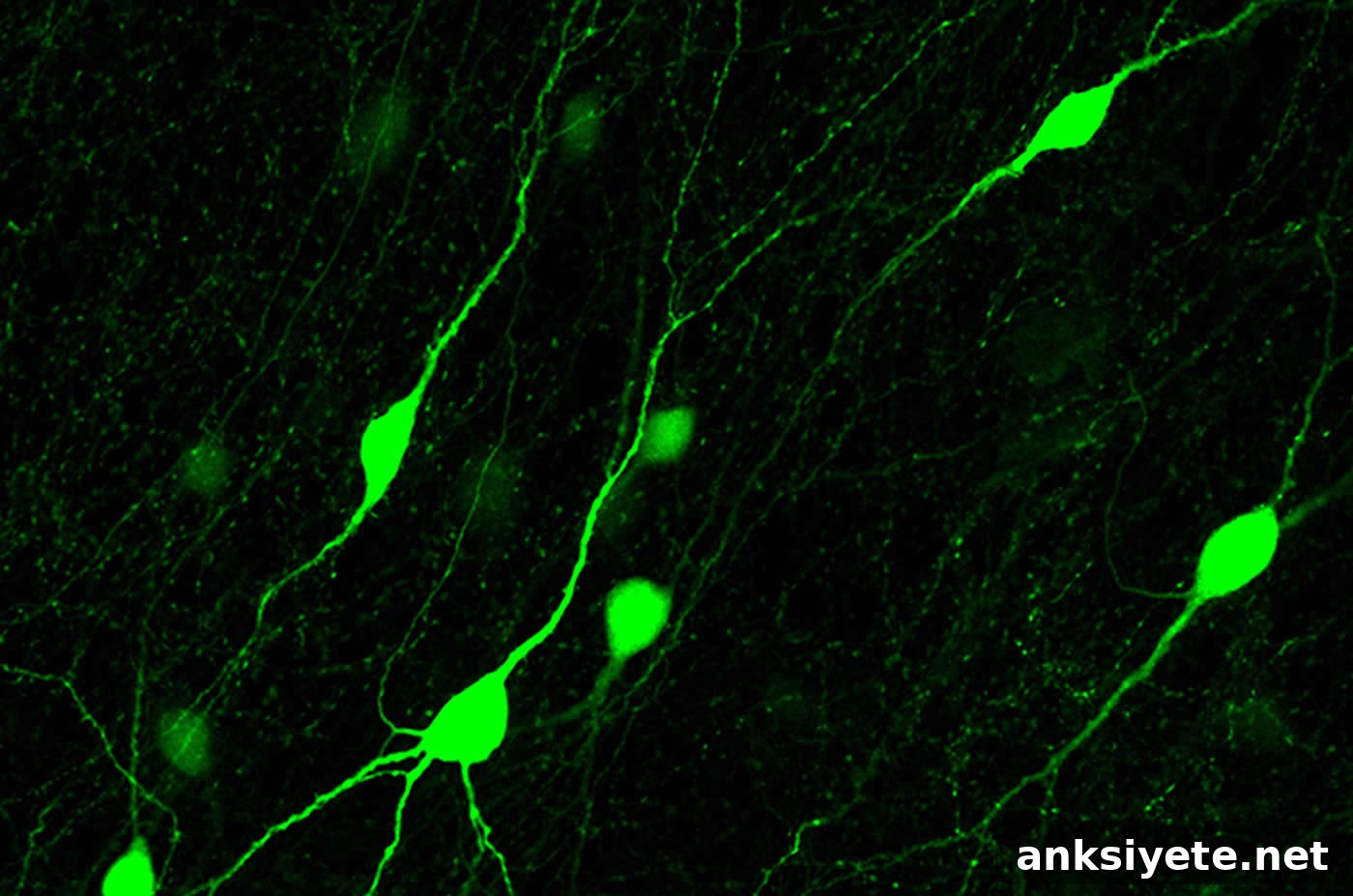
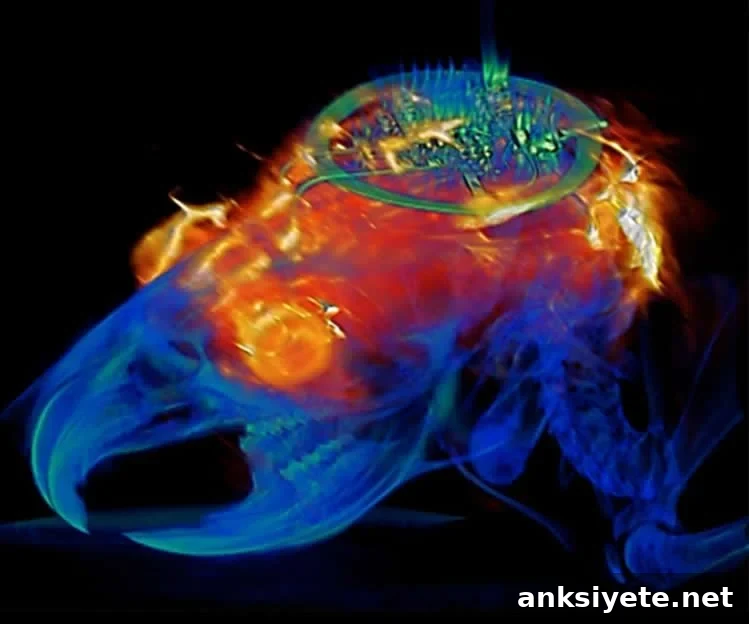
Summary: Researchers have created a fully implantable, wireless optogenetic device that controls specific neurons in the brain without batteries or external tethers. The technology could enable precise, programmable neuromodulation to reduce pain and study neurological disorders while avoiding many limitations of previous systems. Source: University of Arizona University of Arizona biomedical engineering professor Philipp Gutruf … Read more

How Creatine Enhances Cognition During Sleep Deprivation

featured 101642

Summary: A single high dose of creatine can temporarily restore cognitive functions that decline during sleep deprivation. In a controlled study with 15 participants who stayed awake overnight, researchers observed measurable improvements in processing speed and short-term memory beginning three hours after supplementation. The effect peaked at around four hours and persisted for up to … Read more

How a Brain Circuit Detects and Stores Fear

featured 104202

Summary: Researchers have mapped a neural circuit that rapidly detects environmental threats and updates fear memories. The study shows that the hippocampus — beyond its role in spatial navigation — signals danger through the subiculum, which conveys threat information to the hypothalamus. The dorsal premammillary nucleus (PMd) acts as a dynamic threat detector, and disrupting … Read more

How to Unlock Conscious Awareness and Deepen Mindfulness

featured 73695

Summary: New evidence suggests the anterior insular cortex functions as a gate that helps determine which sensory signals reach conscious awareness. Source: University of Michigan Every moment we are awake, the brain receives a steady stream of sensory inputs of varying intensity. Neuroscientists have long asked why some of these inputs become part of our … Read more

Breakthrough Treatment for Pigmentary Retinopathy

featured 84829

Summary: The visual system responds to lost photoreception by increasing sensitivity, but this compensation is accompanied by harmful hyperactivity. These findings point to new directions for therapies to preserve or restore vision. Source: ICHF Why do photoreceptors in the retina die, and can that process be slowed or prevented? An international team of researchers, including … Read more

Study Links Autism to Inhibitory Synapse Formation

featured 55217

Summary: New research identifies a potential connection between the molecular events that form inhibitory synapses and autism risk. Source: Utrecht University Inhibitory Synapse Formation Reveals a Surprising Link to Autism Neurobiologists Cátia Frias and Corette Wierenga have investigated how inhibitory synapses form in the brain and discovered an unexpected connection to autism. Their study highlights … Read more

ASMR: Soothing or Annoying? What Research Shows

featured 98235

Summary: Autonomous Sensory Meridian Response (ASMR) is a widely viewed phenomenon that many people use to relax, fall asleep, or improve mood. A comprehensive review of the scientific literature finds consistent short-term benefits for a subset of the population—about 25–30%—including measurable physiological changes such as reduced heart rate and lower blood pressure. After screening more … Read more

Whole Mouse Brain Imaged at 64 Million Times Sharper Detail

featured 92569

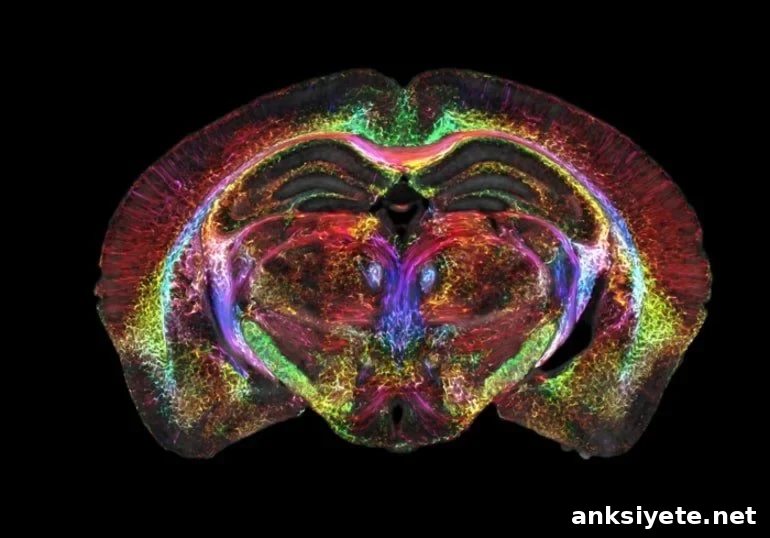
Summary: Researchers have dramatically increased MRI resolution, producing the sharpest whole-brain images ever obtained of a mouse brain. Source: Duke University Magnetic resonance imaging (MRI) is the standard tool for visualizing soft, water-rich tissues that X-rays cannot capture well. Clinical MRI gives sufficient resolution to detect tumors and many pathologies, but until now it has … Read more

AI Detects Early Parkinson’s Biomarkers in Blood

featured 93400

Summary: Researchers have created an AI-based tool that can detect biochemical signs of Parkinson’s disease in blood samples years—up to 15 years—before clinical symptoms appear. Using machine learning to analyze complex patterns of metabolites, the system identifies combinations of molecules that serve as early biomarkers. Although larger validation studies are required, this approach reached up … Read more

Why Bilingual Children Recognize Voices More Accurately

featured 41518

Summary: Researchers report that bilingual children outperform monolingual peers at recognizing and processing voices, showing an advantage in identifying who is speaking. Source: NYU Bilingual children are more accurate and faster than monolingual children at perceiving who is speaking, including recognizing and learning voices, according to a study from NYU’s Steinhardt School of Culture, Education, … Read more