How Depression Alters the Brain Over Time
featured 47046

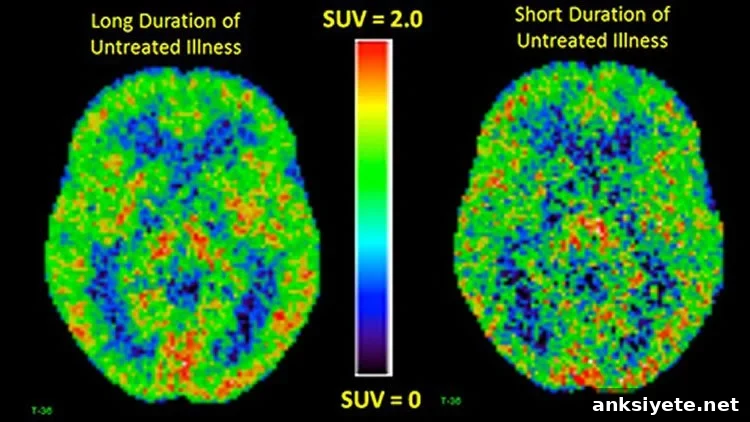
Summary: New brain imaging research indicates that people who experience persistent depression for ten years or more show higher levels of neuroinflammation. Source: CAMH. New imaging study from the Centre for Addiction and Mental Health (CAMH) finds that long-standing depression is associated with measurable changes in the brain, highlighting the need to rethink treatment as … Read more


Genetic Inflammation Linked to Neuropsychiatric Disorders

featured 81565

Summary: Genetic markers linked to inflammation—particularly interleukin-6 (IL-6)—are associated with reduced gray matter in brain regions that are implicated in several neurodevelopmental psychiatric disorders. These results offer fresh insight into biological mechanisms that may contribute to conditions such as schizophrenia and autism spectrum disorder (ASD). Source: University of Birmingham Researchers at the University of Birmingham … Read more

How Neurofeedback Makes Prostheses Feel Lighter

featured 70440

Summary: Sensory signals routed from a prosthetic leg into the user’s nervous system help amputees experience the artificial limb as part of their own body. This neurofeedback also makes the prosthesis feel noticeably lighter. Source: ETH Zurich Many people with leg amputations remain dissatisfied with their prostheses despite advances in technology. A common complaint is … Read more

Why Cannabis Use Is Soaring Among Older Adults

featured 56697

Summary: Cannabis use among older adults in Colorado is rising faster than in any other age group. Yet many older adults report barriers to accessing medical marijuana, limited communication with their physicians, and a persistent stigma that makes discussing cannabis use difficult. Source: University of Colorado Cannabis Use Rising Among Older Adults, but Barriers Remain … Read more

Why Higher Test Scores Don’t Mean Better Cognitive Skills

featured 12682

MIT neuroscientists find even high-performing schools don’t influence their students’ abstract reasoning States commonly rely on standardized exams to measure school quality and make important decisions about student advancement. Passing those exams often factors into whether students receive a high school diploma, and research has shown that strong performance on such tests predicts future educational … Read more

Toxoplasma gondii and Risk of Common Neurological Disorders

featured 43400

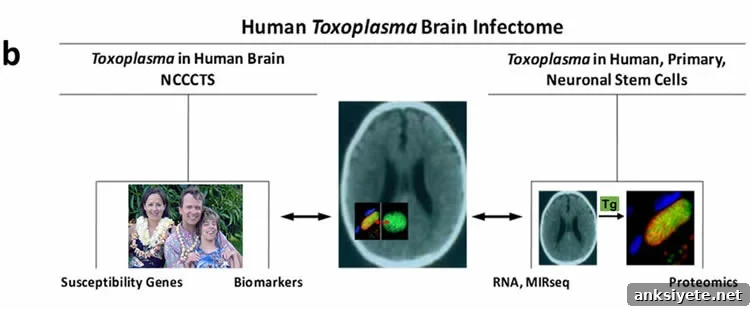
Summary: A new study in Scientific Reports suggests that infection with the brain-dwelling parasite Toxoplasma gondii can change — and in some cases amplify — biological pathways linked to neurological disorders such as Alzheimer’s, Parkinson’s disease and epilepsy. Source: University of Chicago Medical Center More than two billion people—nearly one in three worldwide, including around … Read more

Antibiotics May Slow Alzheimer’s by Altering the Gut Microbiome

featured 33046

Summary: A University of Chicago study finds that prolonged antibiotic treatment in mice reduced amyloid plaque burden and altered microglial inflammatory activity, changes that correlate with major shifts in the gut microbiome. Source: University of Chicago. Long-term broad-spectrum antibiotics reduce disease-associated amyloid plaques and increase neuroinflammatory microglial activity in mice Neuroscientists at the University of … Read more

New Study Refutes Inhibition Theory of Autism

featured 53757

Summary: A new study questions a long-standing idea that neurons in autistic brains suffer from too little inhibition or too much excitation. Researchers report that inhibition is not simply reduced in the brains of autism-model mice. Instead, the altered balance between excitation and inhibition appears to act as a compensatory mechanism that helps stabilize neural … Read more

Why Preteens’ Brains Respond Differently When Experimenting

featured 19479

Preteens who experiment or seek out new experiences may have brain wiring that differs from their less exploratory peers, according to a new study presented at the American Academy of Neurology’s 67th Annual Meeting in Washington, DC, April 18–25, 2015. Adolescence marks the start of greater curiosity, risk-taking and exploration, but the underlying neural mechanisms … Read more

How Sleep Age Predicts Your Long-Term Health

featured 85949

Summary: “Sleep age” is a calculated measure that reflects the quality of a person’s sleep and appears to be associated with overall health and risk of death. Source: Stanford Numbers can reveal important truths. From credit scores to biomarkers, measurable values help predict outcomes such as loan approval or disease risk. Stanford Medicine researchers have … Read more