Could Uric Acid Protect Against Parkinson’s Disease?
featured 23149

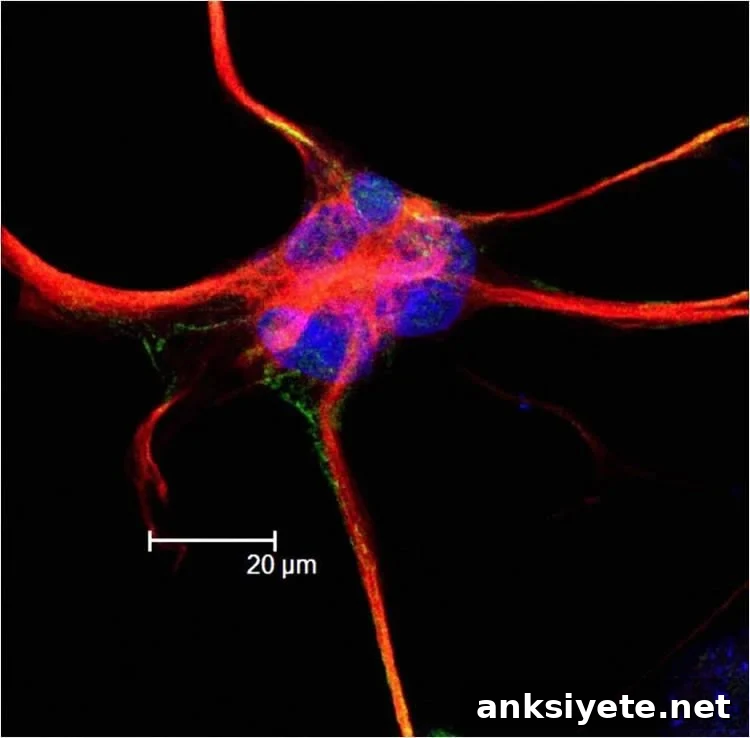
Brain cells called astrocytes play a central role; a phase 3 trial of a urate-boosting treatment will begin in 2016. Researchers studying whether raising blood levels of the antioxidant urate can slow Parkinson’s disease progression report that urate’s protective effects go beyond acting as a simple antioxidant. In a paper published online in Neurobiology of … Read more

Reward and Punishment Share Neural Paths in the Mouse Brain

featured 68161

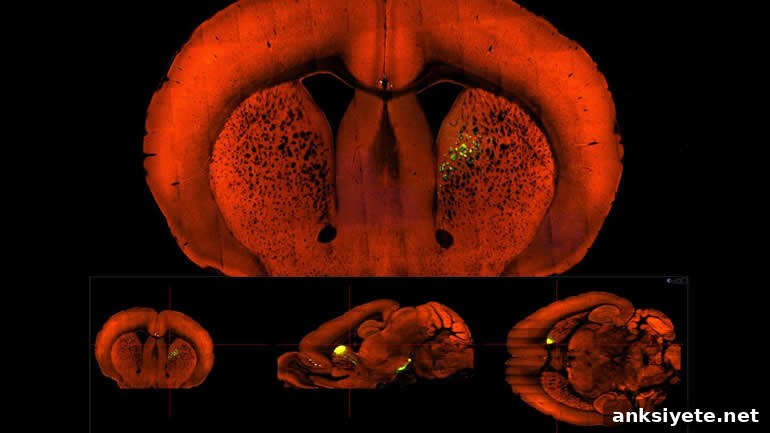
Specific Striosome Neurons Enable Mice to Learn to Avoid Negative Experiences Summary: Scientists identified a genetically defined group of neurons in the striosome that enable mice to learn to avoid punishment and other aversive outcomes. Source: Cold Spring Harbor Laboratory Cold Spring Harbor Laboratory (CSHL) researchers have discovered a set of neurons in the mouse … Read more

How Boredom Boosts Brain Power and Creativity

featured 86951

Summary: Periods of boredom can spark creativity, improve problem-solving, and give the brain a valuable chance to recover and reorganize. Source: Mayo Clinic “Mom, Dad, I’m bored.” Many parents hear these words from their children and immediately feel pressure to provide activities, entertainment or stimulation. While that reaction is understandable, occasional boredom is not a … Read more

Hair Biomarkers May Improve Mental Illness Diagnosis in Teens

featured 58288

Summary: Hair cortisol measured from a small hair sample may help identify adolescents at risk for depression. In a study of 432 youths, both higher and lower hair cortisol levels were associated with greater depressive symptoms, suggesting a non-linear relationship between long-term cortisol exposure and mental health. Source: Ohio State University Researchers say a simple … Read more

How Scents Shape Social Attraction

featured 43099

Summary: Researchers at UC San Diego identified two microRNA molecules that regulate neurotransmitter switching, a mechanism that shifts social behavior between aversion and attraction. Source: UC San Diego A separated lamb finds its flock. Salmon return to their exact spawning grounds. How do animals so reliably recognize kin and home? These behaviors—often described as imprinting … Read more

How Gut Microvilli Mirror Inner Ear Hair Cells

featured 27257

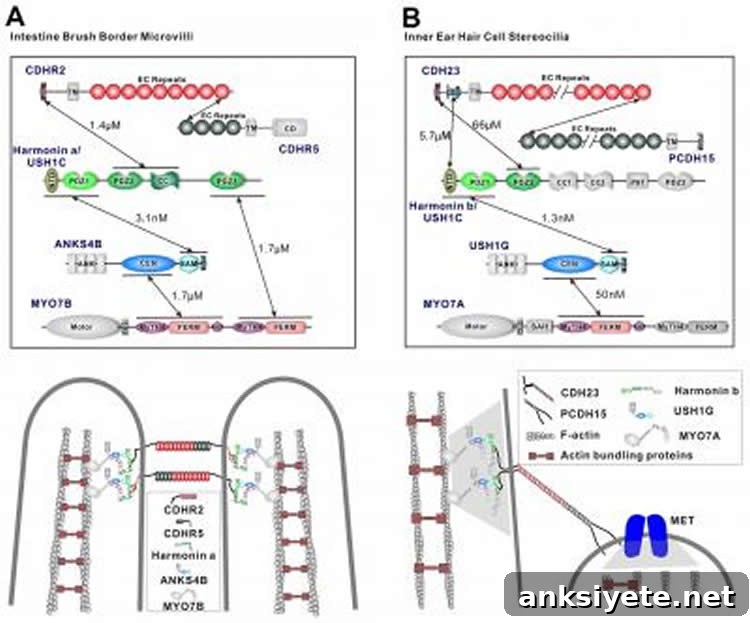
Brush border microvilli and inner ear stereocilia are distinct cellular structures that share surprising mechanistic similarities despite their different locations and functions. Microvilli are tiny, actin-supported membrane projections that line the apical surface of epithelial cells in the intestine and kidney, increasing surface area for absorption, secretion, and adhesion. Stereocilia are specialized, mechanosensing protrusions on … Read more

How Scientists Detect Hidden Brain Signals

featured 106048

Summary: A new study reveals that resting-state functional magnetic resonance imaging (rsfMRI), which maps coordinated blood-flow patterns across the brain, can miss certain neural signals that are “invisible” to conventional electrophysiological measurements. By recording rsfMRI and direct neural activity simultaneously in mice, researchers discovered spatial agreement but temporal mismatch between blood-flow-based networks and local neural … Read more

Inherited Alzheimer’s Linked to Brain Damage Decades Earlier

featured 13740

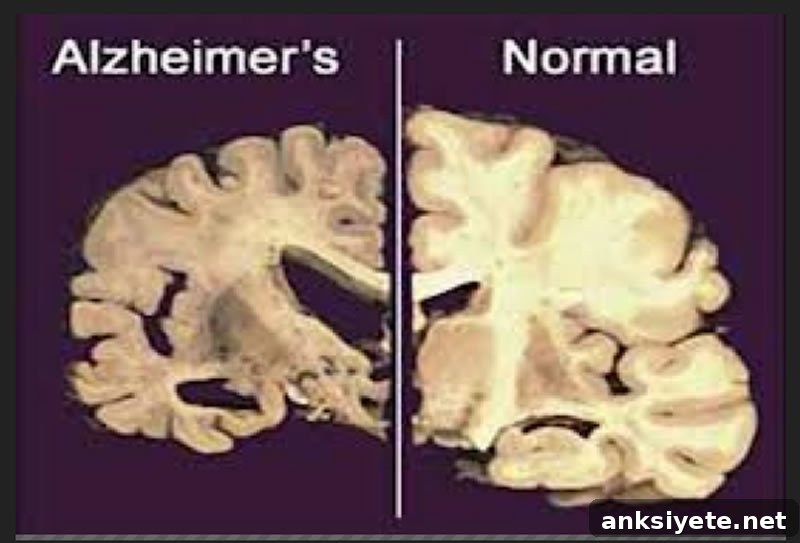
Study suggests progression of Alzheimer’s may slow once symptoms emerge, following decades of early brain damage New research into an inherited, autosomal-dominant form of Alzheimer’s disease indicates that the most rapid neuronal damage occurs long before clinical symptoms appear — but that the pace of neurodegeneration may actually slow once symptoms begin. The findings, reported … Read more

Exercise Could Slow Alzheimer’s Progression

featured 10945

New research from the University of Maryland School of Public Health finds that regular exercise can improve cognitive function in older adults at risk for Alzheimer’s disease by increasing the brain’s efficiency during memory tasks. Researchers led by Dr. J. Carson Smith in the Department of Kinesiology report that a structured exercise program produced measurable … Read more

Preterm Birth Linked to Weaker Brain Connections in Infants

featured 24742

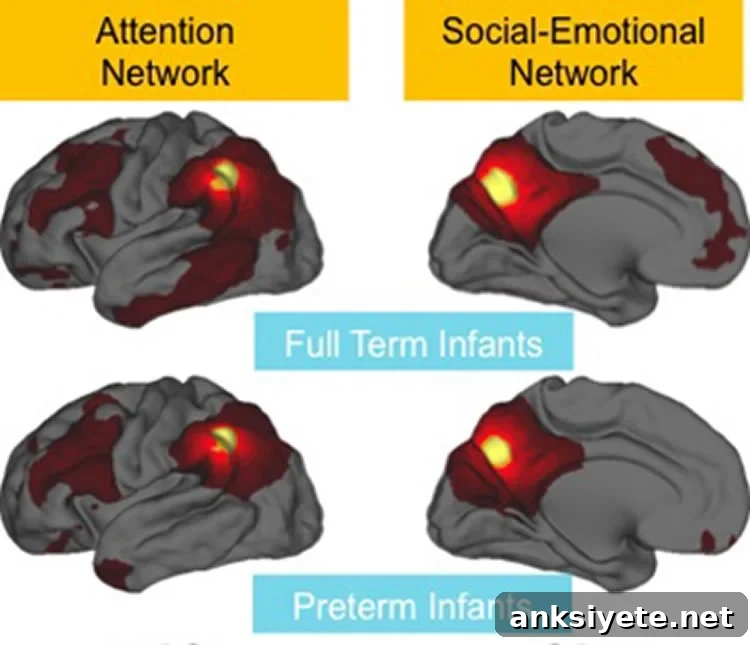
Early intervention may improve outcomes. Premature birth increases a child’s risk of later neurological and psychiatric challenges, and new research suggests those risks are linked to weaker connections among brain networks that support attention, communication and emotional processing. Investigators at Washington University School of Medicine in St. Louis examined brain scans from infants born preterm … Read more