How Moderate Stress Boosts Focus and Resilience

featured 88373

Summary: Low-to-moderate stress can enhance certain brain functions—particularly working memory—while sustained high stress becomes harmful. Source: University of Georgia The holiday season and other busy times often bring added pressure, but new research from the Youth Development Institute at the University of Georgia suggests that not all stress is bad for the brain. Researchers found … Read more

Why People Perceive the World Differently

featured 48193

Summary: A new study introduces an objective way to measure individual differences in perceptual capacity, showing that people tend to perform consistently across different perceptual tasks. Source: UCL. Some people display notably greater perceptual ability, able to spot objects in cluttered scenes, detect changes after very brief exposures, and notice items outside their current focus … Read more

Snake venom reveals muscle protein structure

featured 64117

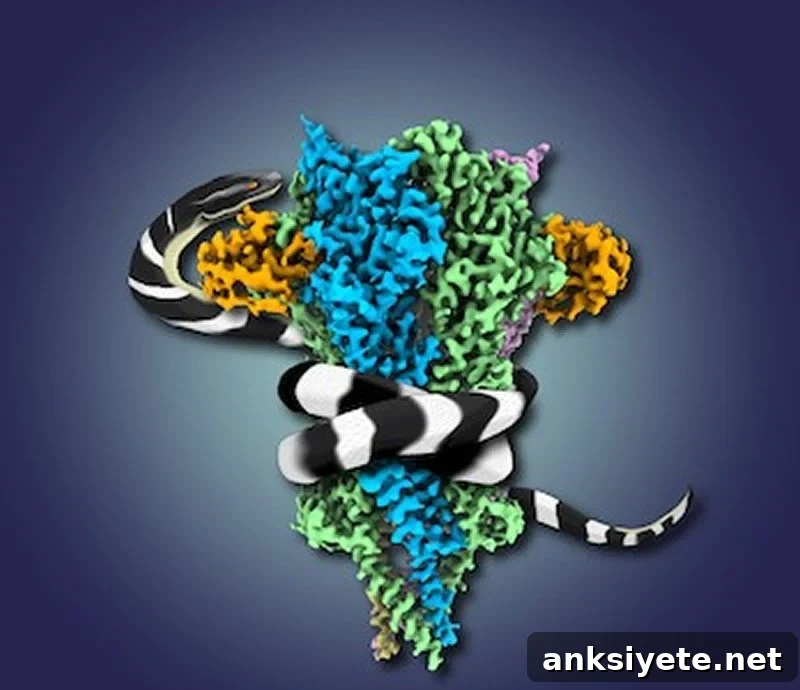
Summary: A neurotoxin found in snake venom enabled researchers to reveal a high-resolution structure of the nicotinic receptor that triggers muscle contraction. Source: UT Southwestern Medical Center Researchers at UT Southwestern Medical Center have determined the detailed, near-atomic structure of a key protein that mediates rapid communication between nerves and muscles. Published in Neuron, this … Read more

Environment and Hippocampal Volume Predict Adolescent Depression

featured 104434

Summary: New research from Northwestern University shows that difficult social environments and the size of the left hippocampus in children aged 9–11 together predict increases in depressive symptoms over two years. Children with larger left hippocampal volumes appear more sensitive to negative social contexts, which can amplify symptoms of depression as they move into adolescence. … Read more

Zika Virus Shows Promise as Brain Cancer Treatment

featured 43181

Zika Virus Shows Promise as a Targeted Therapy for Glioblastoma Stem Cells Summary: A new study published in the Journal of Experimental Medicine finds that a mouse-adapted strain of Zika virus can preferentially infect glioblastoma stem cells, slow tumor growth, and extend survival in mouse models of glioblastoma. Source: Rockefeller University Press. Overview Recent Zika … Read more

Gut Microbiome and Mental Health: Impact on Treatment Response

featured 37067

Summary: Researchers confirm connections between mood, mental health and the gut microbiome. Source: ACNP. Evidence is growing that the communities of bacteria in our gut influence mood and mental health, and that psychiatric treatments can in turn alter the gut microbiome. Recent presentations at the American College of Neuropsychopharmacology meeting highlighted multiple studies supporting this … Read more

New Study Finds 20-Year Research Gap on Young Adult Brain Health

featured 87600

Summary: Researchers urge more study of young adult brain health to better understand brain development and identify risk factors for neurological disorders later in life. Source: TCD Researchers at the Global Brain Health Institute (GBHI) at Trinity College Dublin have identified a substantial gap in our understanding of brain health during young adulthood in an … Read more

How the Brain’s Fear Circuitry Triggers Survival Responses

featured 100253

Summary: Researchers have identified a previously unrecognized neural pathway that governs the brain’s shift into high-intensity fear responses. This pathway links a region of the prefrontal cortex to the amygdala and appears to play a central role in how animals escalate defensive behaviors—insights that may inform new approaches to treating conditions such as PTSD and … Read more

How Single Neurons and Brain Networks Enable Spatial Navigation

featured 56547

Summary: Brain oscillations may help explain how activity of individual neurons links to larger-scale brain networks involved in spatial navigation. Source: RUB Spatial navigation is a core cognitive ability that is often impaired in neurological and psychiatric disorders. Research across species has shown that both single neurons and larger neural networks contribute to navigation, but … Read more

Brain Region Linked to Social Behavior Changes in Autism Model

featured 58361

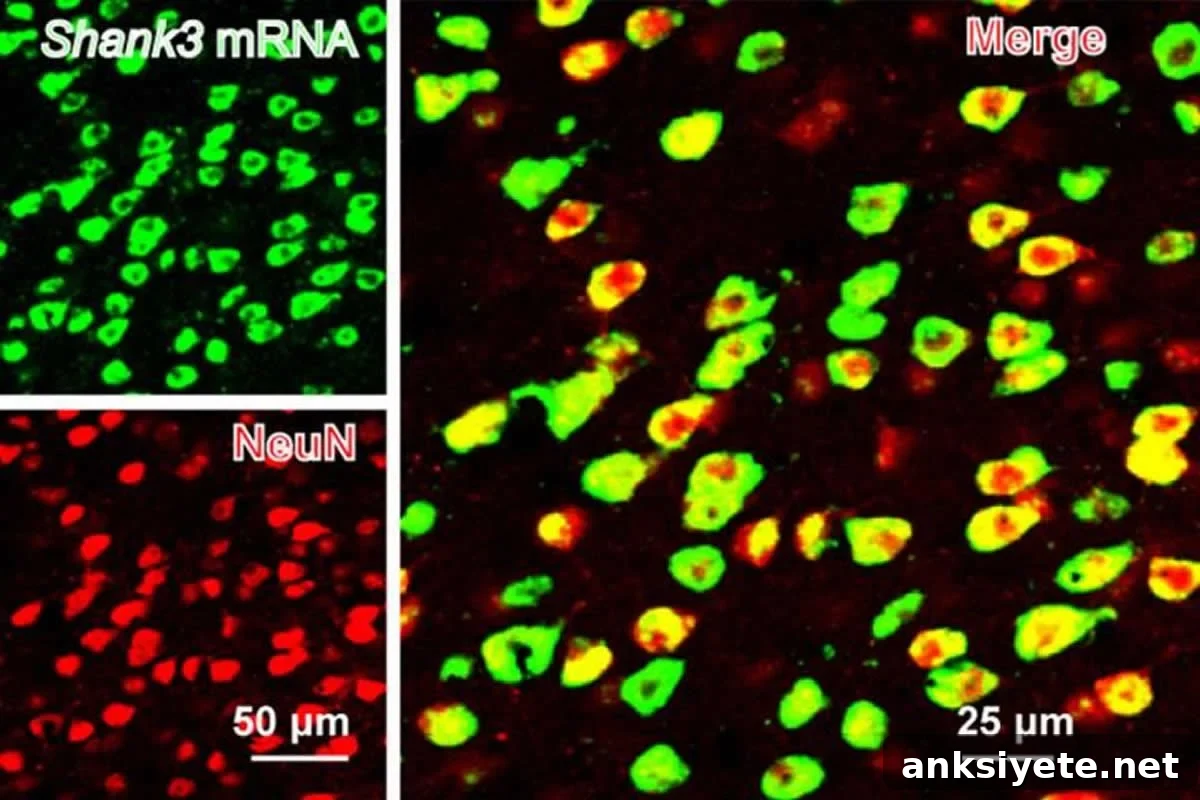
Summary: The anterior cingulate cortex (ACC) is critically involved in regulating social behavior. In mouse models carrying mutations in the SHANK3 gene, structural and functional impairments in the ACC were associated with social interaction deficits resembling features of autism spectrum disorder (ASD). Source: MIT Background: Although specific genes have been linked to psychiatric and neurodevelopmental … Read more