
Summary: Researchers confirm connections between mood, mental health and the gut microbiome.
Source: ACNP.
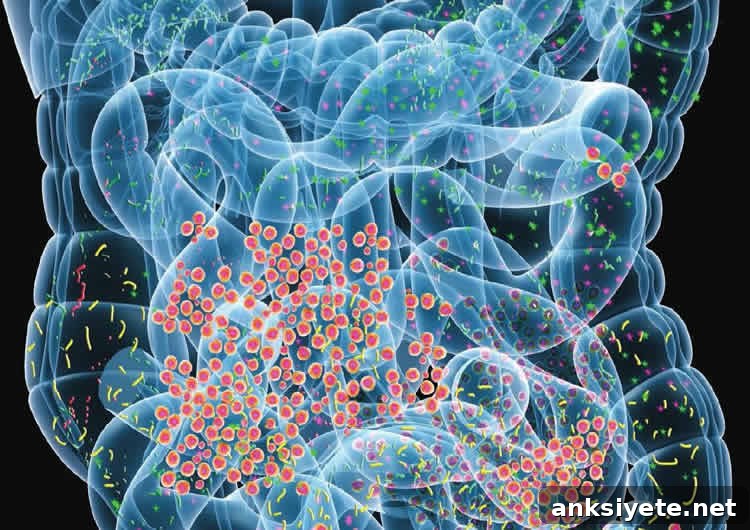
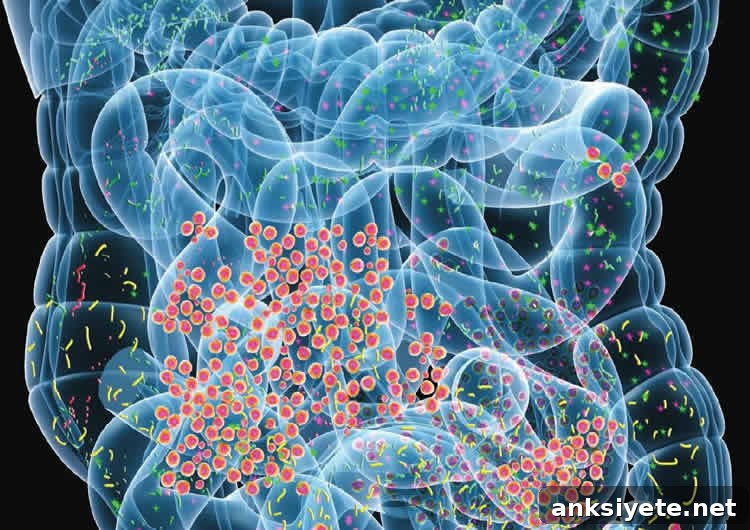
Evidence is growing that the communities of bacteria in our gut influence mood and mental health, and that psychiatric treatments can in turn alter the gut microbiome. Recent presentations at the American College of Neuropsychopharmacology meeting highlighted multiple studies supporting this gut–brain connection.
Dr. Vicki Ellingrod, chair of the session, summarized the emerging consensus: “State-of-the-art research in both animal models and humans points to links between the gut microbiota and models of mood and anxiety, and suggests that psychiatric medications may directly affect the gut microbiome.”
Compelling animal data came from an experiment that tracked microbial diversity while rats were exposed to chronic stress for seven weeks. As stress became more persistent, the diversity and number of gut microorganisms declined. Those same stressed animals showed behavioral signs consistent with reduced pleasure and increased despair-like behaviors. In a key follow-up, Dr. Emily Jutkiewicz transferred microbiota from stressed rats into unstressed animals. Within five days the recipient animals began to display similar behavioral changes, providing evidence that alterations in gut microbes can contribute causally to mood-related behaviors.
Human studies described during the session revealed parallel findings. Participants diagnosed with major depressive disorder and bipolar disorder showed reduced microbiome diversity compared with non-affected individuals. These reductions correlated with higher anxiety levels, more sleep disturbances, and increased reports of general health problems. Based on associations observed in people with bipolar disorder, Dr. Simon Evans noted that “the data support the hypothesis that targeting the microbiome may be an effective treatment paradigm for bipolar disorder.”
The session also explored how psychiatric medications interact with the microbiome. Longitudinal work by Dr. Chadi Calarge examined patients over time to compare microbiome profiles during depressive episodes and remission, and when patients were taking or not taking selective serotonin reuptake inhibitors (SSRIs). While differences in bacterial diversity were not consistent across depressed patients, species-level shifts were identified. Initiation of SSRI treatment was associated with increased production of indoles, pointing to changes in bacteria that express tryptophanase—an enzyme involved in metabolizing tryptophan. Preliminary findings also suggested that depression may be associated with increased intestinal permeability, a change that could allow greater bacterial translocation and influence systemic inflammation or neural signaling.
Medication side effects tied to metabolic changes were addressed in the final presentation. Atypical antipsychotic (AAP) medications can cause weight gain and shifts in energy metabolism. Dr. Stephanie Flowers reported that female bipolar patients who experienced weight gain while treated with AAPs showed a larger reduction in gut microbiome diversity than female bipolar patients on the same medications who did not gain weight. This association suggests that the preexisting condition of the gut microbiota may influence vulnerability to certain adverse metabolic effects of psychiatric drugs.
Source: Erin Colladay – ACNP
Image source: Image shown for illustrative purposes only.
Original research: Studies summarized here were presented at the 55th Annual Meeting of the American College of Neuropsychopharmacology.
Abstract
New learning while consolidating memory during sleep is actively blocked by a protein synthesis–dependent process
Brief experiences that occur while a memory is being consolidated can either hijack that consolidation to create a maladaptive memory or interrupt consolidation and prevent memory formation. Because consolidation often occurs during sleep, even short experiences when animals are awakened can influence long-term memory. Using an Aplysia feeding-learning paradigm, researchers trained animals after awakening from sleep and found that interactions between new learning and ongoing consolidation were normally blocked by mechanisms that prevent long-term memory formation from the new experiences. When protein synthesis was inhibited, this block was removed, allowing even brief, typically ineffective training to produce long-term memory. The formation of memory relied on proteins produced during consolidation prior to training, while effective training required subsequent gene transcription and translation for long-term memory stabilization. Memory formation during the sleep phase correlated with increased CREB1 transcription, but not CREB2, and increases in C/EBP transcription were seen with both effective and ineffective training as well as treatments that did not produce memory.
“New learning while consolidating memory during sleep is actively blocked by a protein synthesis dependent process” by Roi Levy, David Levitan, and Abraham J. Susswein in eLife. Published online December 5, 2016. DOI: 10.7554/eLife.17779