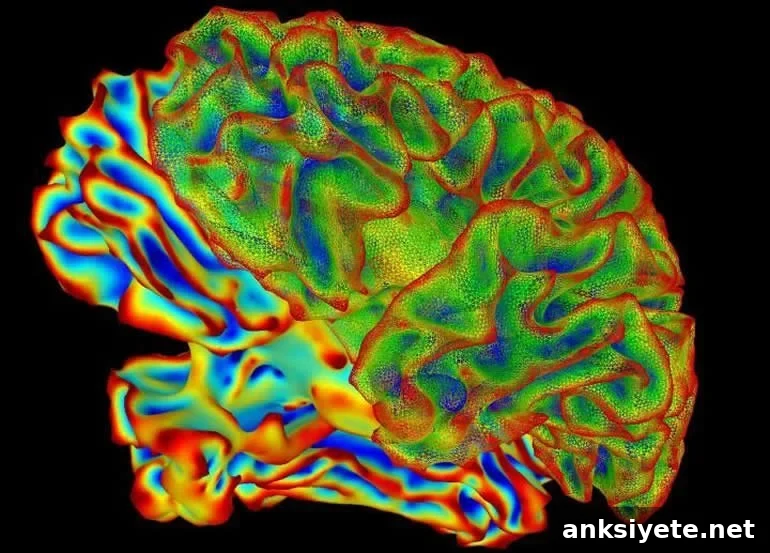
Physical Fitness Linked to Stronger, More Resilient Brain
featured 42844

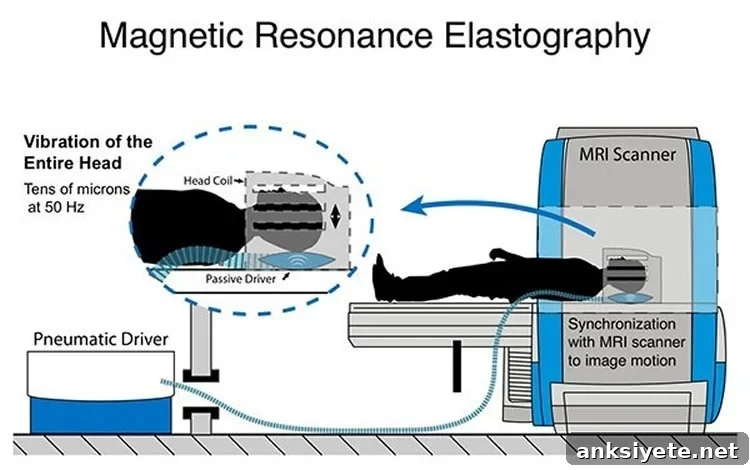
Summary: Using magnetic resonance elastography (MRE), researchers report that people with higher aerobic fitness show a firmer, more elastic hippocampus and better memory performance. Source: NIH/NIBIB. Aerobic fitness linked to a firmer, more elastic hippocampus and improved memory Researchers investigating why aerobically fit people often have better memory used magnetic resonance elastography (MRE) to measure … Read more


AI Predicts Brain Age, Links Lifestyle to Cognition

featured 107208

Summary: Researchers at Karolinska Institutet used an AI-based method to analyze MRI scans from a group of cognitively healthy 70-year-olds and estimate each person’s biological brain age. The team identified clear links between vascular risk factors—such as diabetes, high blood glucose and inflammation—and brains that appear older than chronological age. Conversely, regular physical activity and … Read more

New Gene Discovery Explains How Lithium Affects Bipolar Disorder

featured 44763

Summary: Researchers at the University of Adelaide find that schizophrenia-associated genes in some bipolar patients may explain why those patients do not respond to lithium treatment. Source: University of Adelaide Researchers have identified a genetic link that appears to explain why a subset of people with bipolar disorder do not respond to lithium, the long-standing … Read more

Emoticons Reveal Young Children’s Happiness at School

featured 38786

Summary: A new questionnaire that uses emoticon-like facial expressions could help teachers communicate complex emotions with young children. Source: University of Exeter. A simple, child-friendly questionnaire built around emoticon-style faces can help teachers and other school staff engage children as young as four in conversations about their happiness and wellbeing at school. The How I … Read more

New Book Shows How to Spot Dyslexia and Early Reading Risks

featured 70986

Summary: A newly validated screening tool helps identify preschool children at risk for reading difficulties by assessing early literacy skills during routine clinic or preschool visits. Source: Cincinnati Children’s Hospital A study published in the journal Pediatrics provides expanded validation for an innovative screening tool that directly engages preschool-aged children to evaluate early literacy. Developed … Read more

Menstrual Seizures Could Indicate Drug-Resistant Epilepsy

featured 67635

Summary: A new study finds a strong association between catamenial epilepsy—where seizure frequency increases around the menstrual cycle—and drug-resistant genetic generalized epilepsy. Women with catamenial epilepsy were nearly four times more likely to have epilepsy that does not respond to standard anti-seizure medications. Source: Rutgers University A Rutgers coauthored study published in Neurology reports for … Read more

New Study Identifies Protein Family That Builds Brain Synapses

featured 13919

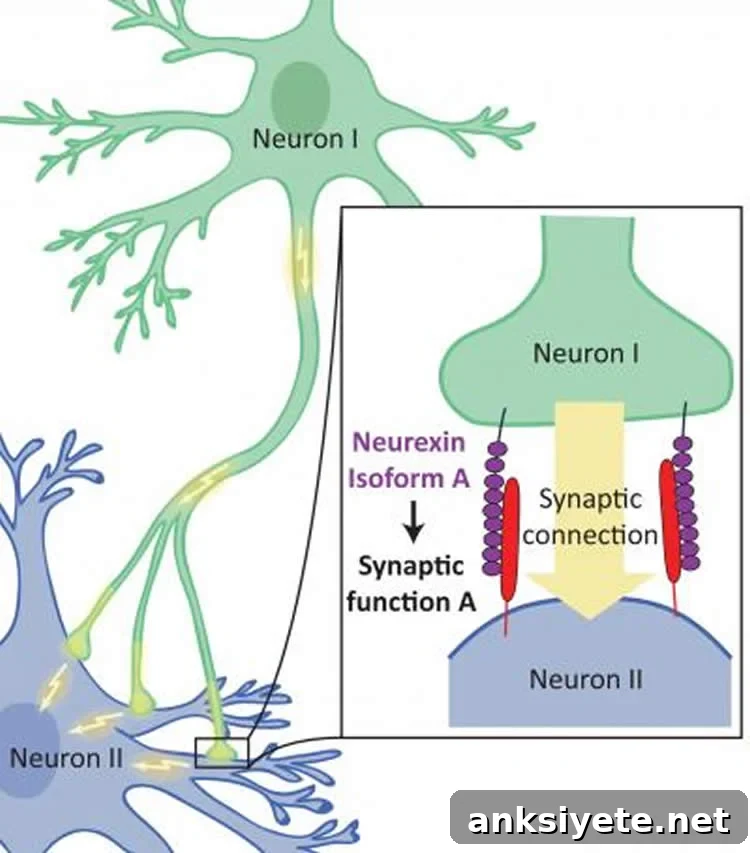
Groundbreaking study identifies hundreds of neurexin protein variants, strengthening links between neurexin diversity, synapse function, and neurological conditions such as autism. Researchers in neuroscience and bioengineering at Stanford University collaborated to map the diversity of the neurexin family of proteins and to explore how those variations contribute to the vast array of synaptic types in … Read more

Turn Downtime into Creative Breakthroughs

featured 95312

Summary: Creative people tend to make better use of downtime by letting their thoughts roam and link naturally from one idea to the next. New research from the University of Arizona shows that creative individuals were less prone to boredom when left alone, because their idle thoughts flowed associatively and kept them engaged. Across everyday … Read more

Gene Therapy Restores Neuron Growth and Function in Alzheimer’s

featured 23029

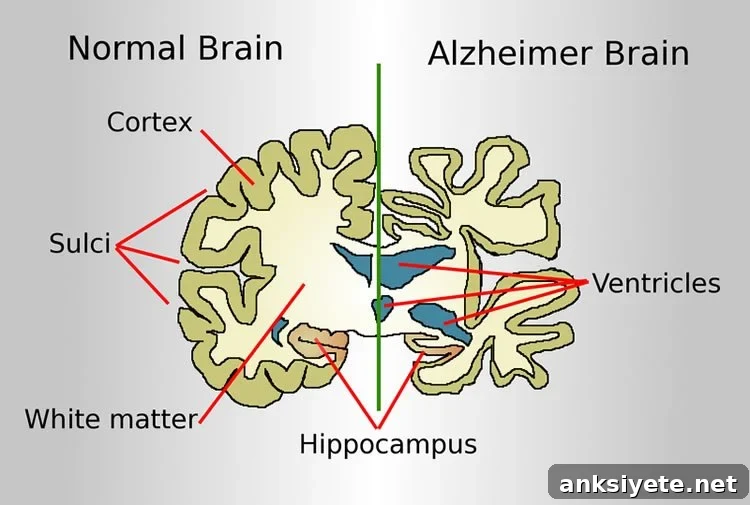
Postmortem brain studies show nerve growth factor safely stimulated functional neuronal growth in Alzheimer’s disease Researchers at the University of California, San Diego School of Medicine report that degenerating neurons in patients with Alzheimer’s disease (AD) responded to an experimental gene therapy in which nerve growth factor (NGF) was delivered directly into the brain. The … Read more

Gene Variants Raise Neuroblastoma Risk and Drive Progression

featured 7190

Researchers identify two gene variants that increase risk for the pediatric cancer neuroblastoma First evidence linking cancer-related genes HACE1 and LIN28B to neuroblastoma susceptibility and progression Scientists have identified two common genetic variants that raise the risk of developing neuroblastoma, a childhood cancer that affects the peripheral nervous system. Using automated genome-wide association study (GWAS) … Read more