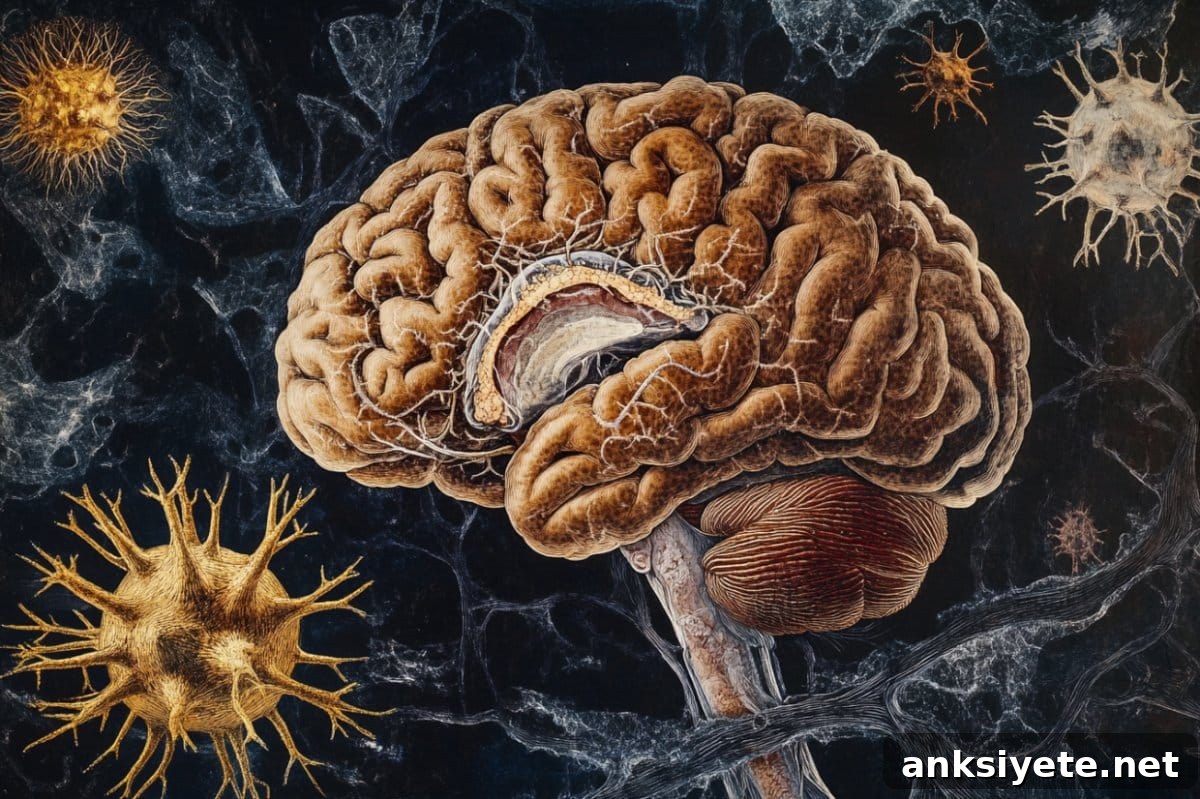
Summary: Researchers have identified the immune molecule STING as a surprising driver of Alzheimer’s disease progression. The study shows that STING, which normally helps the brain respond to DNA damage and infection, becomes overactive with age and fuels damaging inflammation that accelerates neuronal injury. In mouse models, inhibiting STING reduced hallmark Alzheimer’s pathology and preserved cognitive function, highlighting STING as a promising therapeutic target for Alzheimer’s and other neurodegenerative disorders.
Using genetic and experimental approaches in mice, the investigators found that blocking STING limited the accumulation of amyloid plaques and tau-related damage, altered inflammatory responses in brain immune cells, and protected memory. These findings suggest new avenues for treatments aimed at slowing or preventing neurodegeneration driven by maladaptive innate immune signaling.
Key Facts:
- STING activation: Age-related DNA damage in the brain activates STING, provoking chronic inflammation and neuronal injury.
- Therapeutic potential: In mouse models, genetic removal or inhibition of STING reduced amyloid plaque burden, mitigated neuritic damage, and improved cognitive outcomes.
- Wider implications: Because STING regulates innate immune responses, it may also contribute to Parkinson’s disease, ALS, dementia and other neurodegenerative conditions, offering a broad target for intervention.
Source: University of Virginia
A new perspective on Alzheimer’s disease points to an immune pathway that could be central to preventing cognitive decline.
Scientists at the University of Virginia School of Medicine investigated whether the brain’s immune response to DNA damage plays a role in Alzheimer’s. Their experiments identify the innate immune adaptor molecule STING (stimulator of interferon genes) as a pivotal factor that drives detrimental inflammation and promotes the development of amyloid and tau pathologies associated with Alzheimer’s disease.
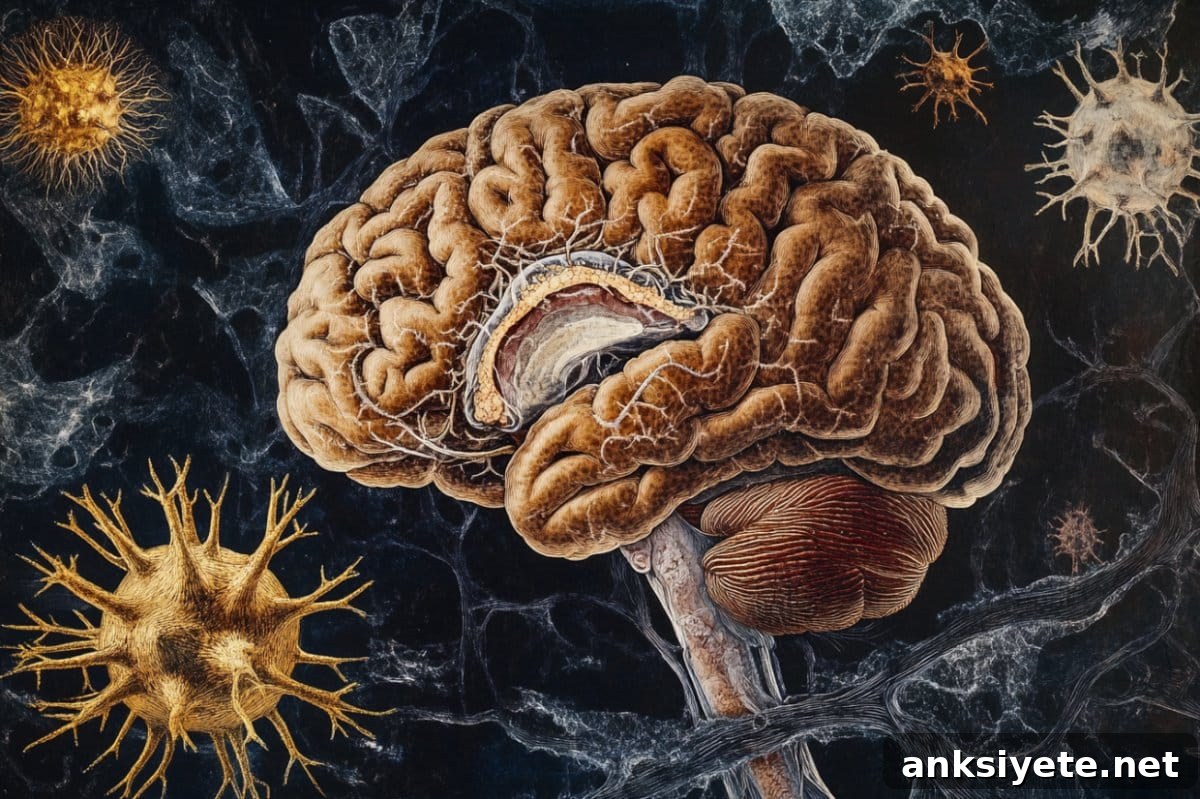
Although STING normally defends the brain by helping clear viruses and cells with DNA damage, the UVA team found that its chronic activation in aging brains can become harmful. In the 5xFAD mouse model of Alzheimer’s-related amyloidosis, genetic deletion of Sting1 dampened harmful immune signaling, reduced plaque formation, protected neurons from degeneration, and preserved memory performance.
“Our findings show that DNA damage accumulating with age activates STING, which then drives brain inflammation and contributes to neuronal damage in Alzheimer’s disease,” said John Lukens, PhD, director of UVA’s Harrison Family Translational Research Center in Alzheimer’s and Neurodegenerative Diseases. “This helps explain why aging increases Alzheimer’s risk and reveals a new pathway we can target for treatment.”
Jessica Thanos, a researcher in UVA’s Department of Neuroscience and Center for Brain Immunology and Glia (BIG Center), added: “Removing STING reduced microglial activation around amyloid plaques, protected nearby neurons, and improved memory in Alzheimer’s model mice. These results indicate that STING drives immune responses that worsen neuronal injury and cognitive decline.”
Urgent Need and Broader Context
Alzheimer’s disease affects millions worldwide and poses a growing public-health challenge. In the United States alone, more than 7 million people currently live with Alzheimer’s, and projections suggest that number could exceed 13 million by 2050. As researchers explore diverse contributors to disease, the role of innate immunity and molecules like STING has become a major focus.
Targeting STING is particularly attractive because interventions appear to slow both amyloid accumulation and tau-associated pathology—two central features implicated in Alzheimer’s—whereas many other targets influence only a single aspect or a narrow disease stage. By modulating innate immune activation, therapies aimed at STING or related pathways could offer broader, disease-modifying benefits.
The researchers caution that translating these discoveries into human treatments will require careful study. STING participates in other critical immune functions, including anti-cancer responses, so any therapeutic approach must balance reducing harmful neuroinflammation while preserving essential immune defenses.
Lukens and his collaborators at the Harrison Family Translational Research Center are advancing work to identify the specific cells and signals that sustain maladaptive STING activation, and to develop strategies that safely modulate this pathway in aging brains.
Published Findings and Funding
The team published their results in Alzheimer’s & Dementia: The Journal of the Alzheimer’s Association. The research was led by Jessica Thanos, Olivia C. Campbell, Maureen N. Cowan, Katherine R. Bruch, Katelyn A. Moore, Hannah E. Ennerfelt, Nick R. Natale, Aman Mangalmurti, Nagaraj Kerur and John Lukens. The authors report no financial conflicts of interest.
Funding: This study was supported by the National Institute on Aging of the National Institutes of Health (grants R01AG071996, R01AG087406 and RF1AG078684), the Alzheimer’s Association (ADSF-21-816651), the Cure Alzheimer’s Fund, The Owens Family Foundation, and The Harrison Family Foundation.
About this Alzheimer’s disease and genetics research news
Author: Josh Barney
Source: University of Virginia
Contact: Josh Barney – University of Virginia
Image: The image is credited to Neuroscience News
Original Research: Open access.
“STING deletion protects against amyloid β–induced Alzheimer’s disease pathogenesis” by John Lukens et al. Alzheimer’s & Dementia
Abstract
STING deletion protects against amyloid β–induced Alzheimer’s disease pathogenesis
INTRODUCTION
Although growing evidence links immune dysfunction to Alzheimer’s disease progression, many innate immune signaling molecules have not been examined through genetic targeting in models of AD. This study evaluates the role of STING, a central innate immune adaptor, in Alzheimer’s-related pathology.
METHODS
To test STING’s involvement, the researchers deleted the Sting1 gene in the 5xFAD mouse model of amyloid-driven Alzheimer’s pathology and assessed effects on plaque burden, neuroinflammation, gene expression, neuronal health, and cognitive performance.
RESULTS
Removing STING in 5xFAD mice improved control of amyloid-beta (Aβ) plaques, altered microglial activation states, reduced neuritic dystrophy, and preserved cognitive function. STING deficiency also lowered expression of type I interferon–related genes in both microglia and excitatory neurons, correlating with the observed neuroprotection.
DISCUSSION
These results highlight important roles for STING in Aβ-driven neurological disease and support further investigation of STING-targeting therapies as a potential strategy to treat Alzheimer’s disease and related neurodegenerative conditions.