Study: Lockdowns Must Last Over Six Weeks to Contain COVID-19

featured 63622

Summary: Preliminary findings from a new model indicate that strong COVID-19 restrictions should remain in place for more than six weeks. The analysis shows it typically takes nearly three weeks to reach a moderation phase (growth rate below 10% and doubling time over seven days), about one month to reach control (growth rate around 1%), … Read more

How the Brain Reclassifies Threats and Rewards

featured 108249

Summary: The brain is continuously classifying incoming information as positive or negative to guide approach or avoidance behaviors that support survival. New research shows that two major neuron types in the nucleus accumbens—the D1 and D2 medium spiny neurons—are both engaged by rewarding and aversive events but play different roles during learning and when associations … Read more

Loss of Spinal Cord Connections May Trigger ALS

featured 74527

Summary: In mouse models of ALS, inhibitory neurons in the spinal cord lose their synaptic connections onto motor neurons. Although a direct causal link to ALS onset has not been established, researchers propose that the reduction in inhibitory signaling may help explain why motor neurons degenerate in ALS. Source: University of Copenhagen Amyotrophic lateral sclerosis … Read more

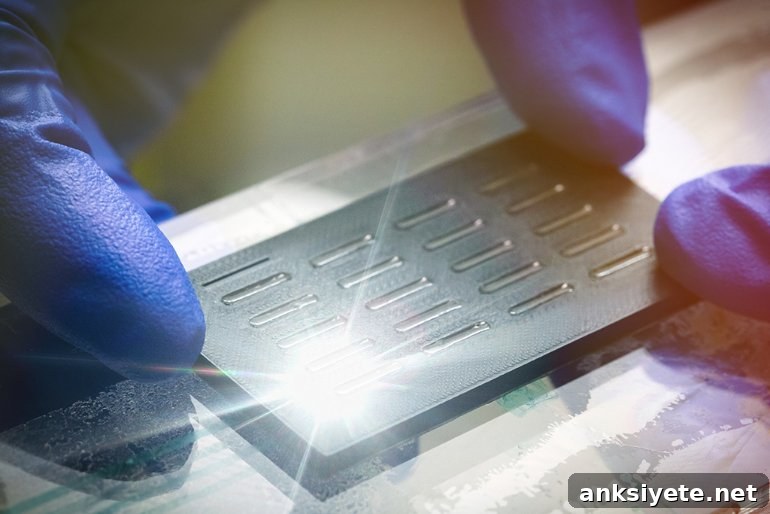
Magnetic Skin Technology Restores Movement in Quadriplegia

featured 70633

Summary: A new flexible, breathable magnetic skin enables people with severe quadriplegia to navigate their environment and control devices using facial expressions. Source: KAUST Researchers at KAUST have developed an integrated assistive system that combines flexible magnetic skins, smart glasses, a smart wheelchair, and connected devices to give people with severe quadriplegia greater independence. The … Read more

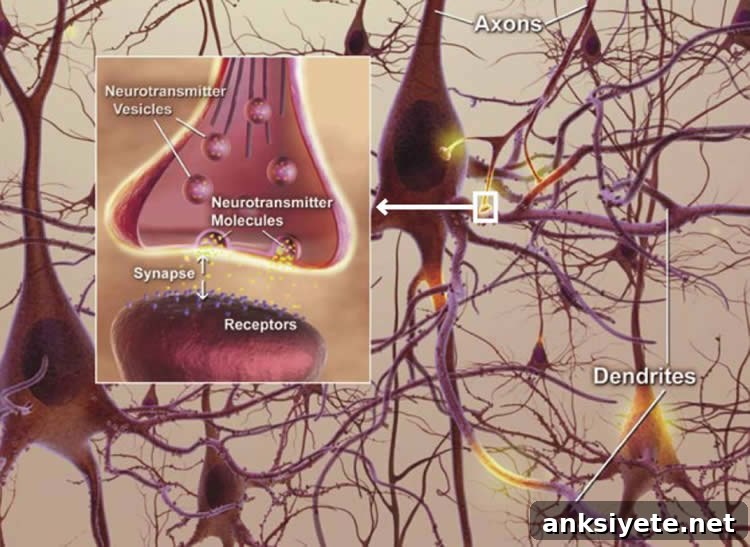
How Proteins Regulate Synapse Function in the Brain

featured 33545

Summary: This study clarifies how specific synaptic proteins maintain neuronal signaling, with potential implications for diagnosing and treating neurodegenerative and other diseases. Source: University of Plymouth. New findings provide detailed insight into synapse function and the role of specific proteins, information that could inform research into the diagnosis and treatment of neurodegenerative and related conditions. … Read more

How Much Energy Does the Human Brain Use?

featured 93018

Summary: The human brain uses a surprisingly large share of the body’s energy—about 20%—even though it represents only around 2% of body weight. Most of that energy supports information processing rather than passive maintenance. Studies show that more demanding mental tasks can raise the brain’s energy consumption, but the increase is small, localized to specific … Read more

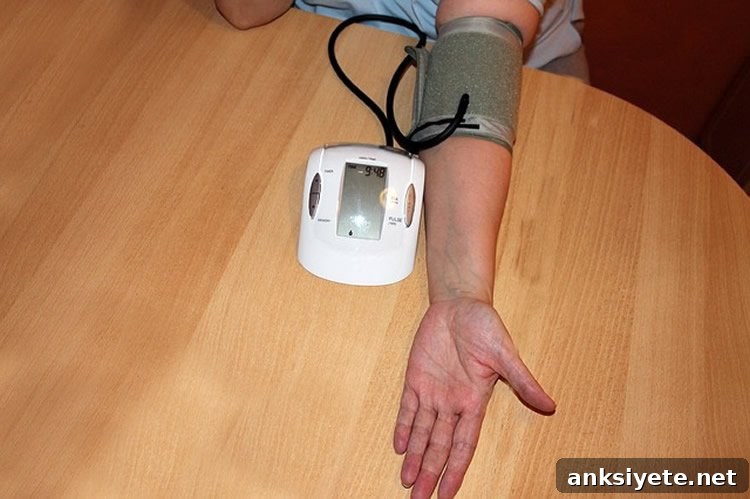
High Blood Pressure May Raise Alzheimer’s Risk

featured 50399

Summary: A new study found that higher-than-average systolic blood pressure in later life is linked to more brain lesions and a greater number of Alzheimer’s disease tangles at autopsy. Source: American Academy of Neurology (AAN) Higher late-life blood pressure linked to more brain lesions and Alzheimer’s tangles Older adults who maintain higher blood pressure readings … Read more

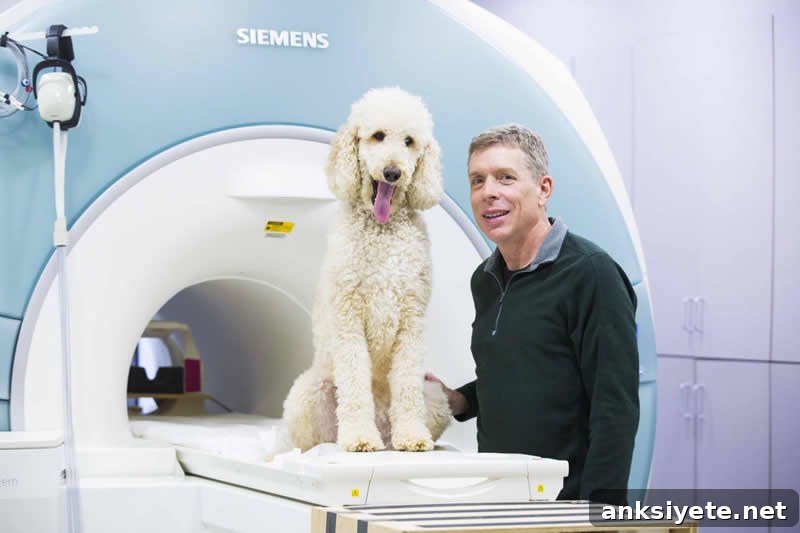
Dogs Use Same Brain Region as Humans to Perceive Numbers

featured 60960

Summary: fMRI neuroimaging shows the parietotemporal cortex of dogs responds to numerical quantities. The study offers evidence that numerosity relies on a neural mechanism conserved across mammals. Source: Emory Health Sciences Emory University researchers find that dogs spontaneously perceive basic numerical quantities and recruit a brain region analogous to the number-responsive areas in humans. Biology … Read more

How a Pump Gene Shapes Early Brain Development

featured 74871

Summary: A study of patients with polymicrogyria provides new insight into how mutations in the ATP1A3 gene affect early human brain development. Source: Boston Children’s Hospital Polymicrogyria is a developmental brain disorder in which the cerebral cortex develops many small, irregular folds (gyria) and shows disrupted layering. Children with this condition often experience significant developmental … Read more

Alzheimer’s Protein in Spinal Fluid Predicts Disease Stage

featured 69672

Summary: MTBR tau detected in cerebrospinal fluid may help clinicians determine the stage and progression of Alzheimer’s disease. Source: WUSTL Researchers at Washington University School of Medicine in St. Louis report that a specific form of the tau protein found in cerebrospinal fluid (CSF) reflects the presence and stage of Alzheimer’s disease. This microtubule binding … Read more