
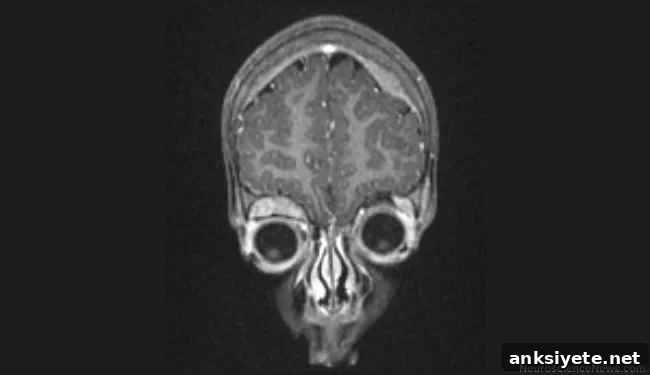
Researchers identify two gene variants that increase risk for the pediatric cancer neuroblastoma
First evidence linking cancer-related genes HACE1 and LIN28B to neuroblastoma susceptibility and progression
Scientists have identified two common genetic variants that raise the risk of developing neuroblastoma, a childhood cancer that affects the peripheral nervous system. Using automated genome-wide association study (GWAS) methods on DNA from thousands of children, investigators have traced these risk variants to the 6q16 region of chromosome 6, within the HACE1 and LIN28B genes. The findings clarify how inherited genetic variation can both predispose a child to neuroblastoma and influence how the tumor behaves after it forms.
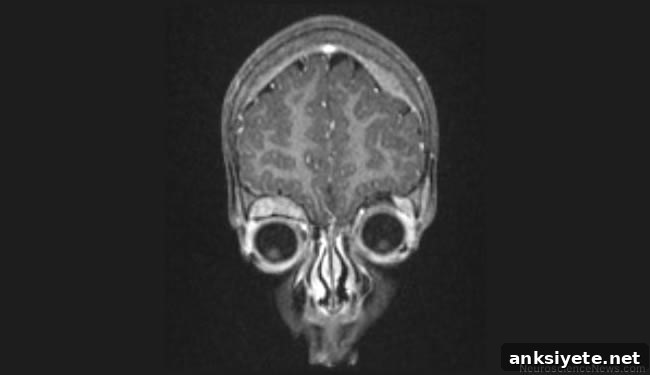
Neuroblastoma typically appears as a solid tumor in the chest or abdomen and accounts for about 7 percent of childhood cancers and 10–15 percent of childhood cancer deaths. Understanding inherited risk factors is critical for early detection strategies, risk stratification, and the development of targeted therapies.
Large-scale genetic study and key results
In the study, researchers compared genetic data from 2,800 children with neuroblastoma to nearly 7,500 healthy controls. The GWAS identified two statistically significant common variants at chromosome region 6q16. One variant maps to HACE1, a gene known to act as a tumor suppressor; the other lies in LIN28B, a gene recognized for oncogenic activity in multiple cancers.
These variants have complementary effects: reduced activity or expression of HACE1 is associated with increased tumor risk and poorer survival, while elevated expression of LIN28B correlates with more aggressive disease. Analysis of patient tumor samples showed that low HACE1 expression and high LIN28B expression each predicted worse clinical outcomes, suggesting both genes influence disease course as well as initiation.
Functional validation and biological implications
To test whether LIN28B plays a causal role in tumor growth, the team used genetic tools to reduce LIN28B activity in neuroblastoma cell models. Lowering LIN28B levels inhibited tumor cell proliferation in culture, supporting the idea that LIN28B contributes directly to tumor maintenance and progression. These functional experiments complement the association findings and strengthen the biological case that inherited variation at 6q16 affects neuroblastoma risk through modulation of HACE1 and LIN28B activity.
The dual pattern—variants that both predispose to cancer and affect tumor behavior—aligns with previous GWAS work from the same research group implicating other common variants as neuroblastoma oncogenes. Together, these studies map a genetic architecture in which inherited common variation can act at multiple points along the pathway from susceptibility to aggressive disease.
Potential impact on treatment and future research
Beyond expanding knowledge of heritable susceptibility to neuroblastoma, the study highlights biological pathways that may be targeted therapeutically. Because LIN28B appears to drive tumor growth, and HACE1 functions to restrain it, future work can focus on developing interventions that restore HACE1 activity or inhibit LIN28B-driven signaling. The investigators plan follow-up studies to explore how these pathways can be modulated for more effective, biologically informed treatments for children with neuroblastoma.
Publication and funding
The study was published online on September 2, 2012, in Nature Genetics. Financial support came from multiple sources, including the National Institutes of Health, philanthropic foundations, and institutional research funds. Co-authors included investigators from The Children’s Hospital of Philadelphia and collaborators in Italy.
Research team affiliations
Lead authors include Sharon J. Diskin, PhD, and senior author John M. Maris, MD, from the Center for Childhood Cancer Research at The Children’s Hospital of Philadelphia. Both authors also hold faculty positions at the Perelman School of Medicine at the University of Pennsylvania.
Notes
This research advances understanding of how inherited variants in cancer-related genes HACE1 and LIN28B shape neuroblastoma risk and progression, offering potential paths toward improved risk assessment and targeted therapies for this pediatric cancer.