Adult ADHD Linked to Shorter Lifespan

featured 107650

Summary: A large UK study of more than 30,000 adults formally diagnosed with attention‑deficit/hyperactivity disorder (ADHD) found an apparent reduction in life expectancy compared with matched peers without ADHD. The estimated years of life lost ranged from about 4.5–9 years for men and 6.5–11 years for women. Researchers warn these figures may overstate the true … Read more


How the Brain Multitasks When You Walk

featured 80089

Summary: New findings indicate that walking patterns become more stable when healthy adults perform a cognitive task simultaneously, suggesting the brain can effectively manage dual demands without compromising gait or thinking. Source: University of Rochester Researchers at the Del Monte Institute for Neuroscience, University of Rochester, challenged the long-held notion that people cannot effectively multitask … Read more

Capgras Syndrome: Man Mistakes Wife for an Impostor

featured 37535

Summary: New research maps the brain networks linked to delusional misidentification syndromes, clarifying why patients may falsely perceive people or places as unfamiliar or impostors. Source: BIDMC Researchers identify brain networks associated with delusional misidentification syndromes Neuroscientists at Beth Israel Deaconess Medical Center (BIDMC) have identified the brain regions and networks most commonly associated with … Read more

Pareidolia: Illusory Faces Elicit the Same Biases as Real Faces

featured 103122

Face Pareidolia: Study Shows Gendered Happy Face Advantage in Illusory Faces Summary: Our brains apply the same social and perceptual biases to face-like patterns in inanimate objects as they do to real human faces. This effect—known as face pareidolia—explains why people routinely see faces in items such as the moon, burnt toast, or tree bark. … Read more

New Study Finds Greater Brain Symmetry in Autism

featured 60353

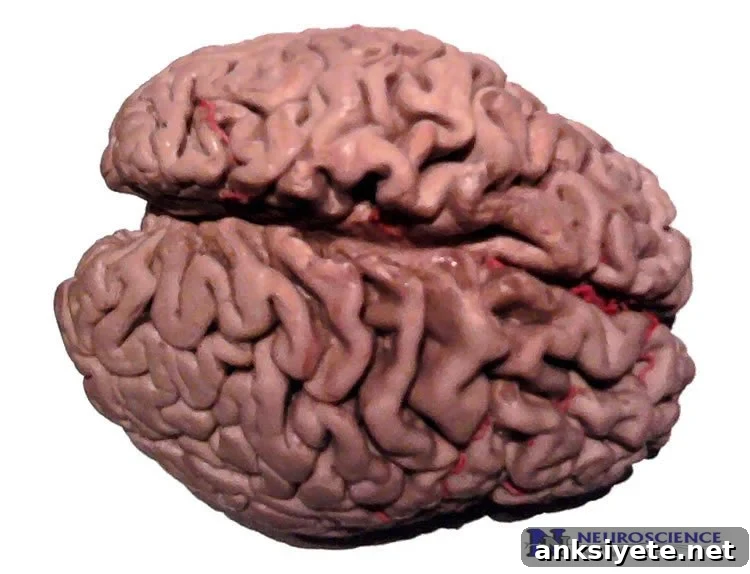
Summary: People with autism spectrum disorder (ASD) show reduced left-right brain asymmetry. A large international study found smaller differences in cortical thickness between the hemispheres across several brain regions in individuals with ASD. Source: Max Planck Institute Background The two cerebral hemispheres normally develop with functional and structural specializations—for instance, language is typically lateralized to … Read more

Orchestral Music Lifts Mood and Confidence in Dementia Patients

featured 25397

A dedicated orchestra for people living with dementia has significantly improved participants’ confidence, mood, and sense of belonging, according to recent work by the Bournemouth University Dementia Institute (BUDI). The community ensemble brings together people with dementia, family carers, professional musicians, university students and volunteers to create meaningful musical experiences that strengthen social ties and … Read more

Can Modulating Stress Circuits Prevent Alzheimer’s Disease?

featured 25565

In novel mouse study, drug significantly prevented onset of cognitive and cellular effects Researchers at the University of California, San Diego School of Medicine report that long-term treatment with a small-molecule drug that dampens the brain’s stress circuitry markedly reduces Alzheimer’s disease (AD) neuropathology and prevents the onset of cognitive impairment in a validated mouse … Read more

SARS-CoV-2 Genome Mapped: Implications for COVID-19

featured 64051

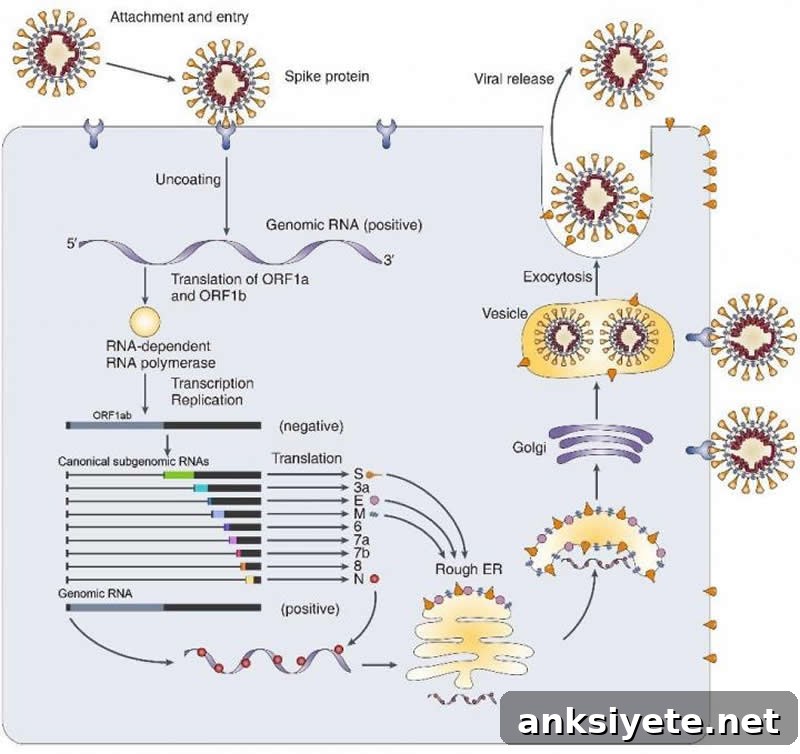
Summary: Newly discovered chemical modifications and a high-resolution map of the SARS-CoV-2 RNA provide fresh clues for fighting COVID-19 and improve understanding of the virus’s lifecycle. Source: Institute for Basic Science Jean and Peter Medawar described a virus as “simply a piece of bad news wrapped up in proteins.” For SARS-CoV-2, that “bad news” is … Read more

Lab-Grown Mini Retinas Reveal Eye-Brain Connection

featured 52113

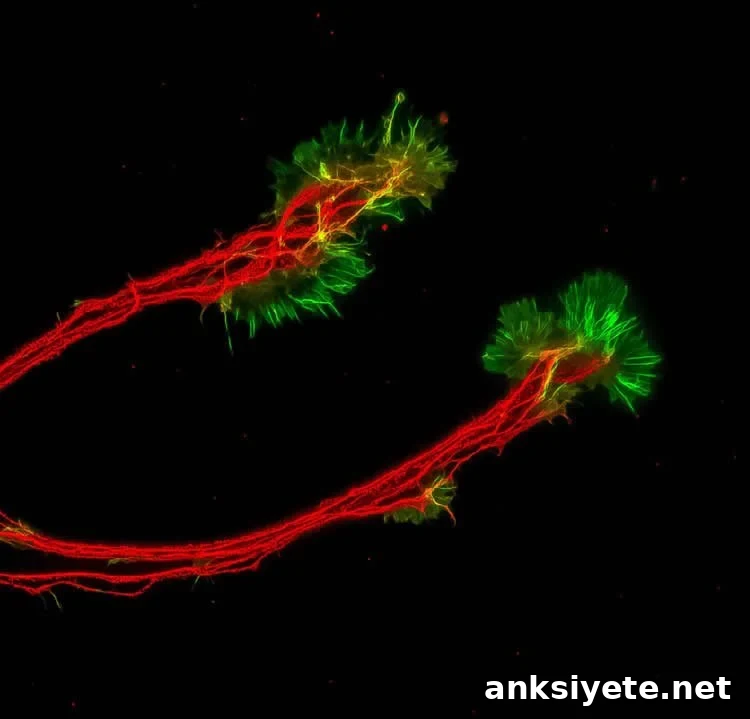
Summary: New laboratory-grown retinal organoids recreate key features of human retinal development and reveal factors that promote axon growth from retinal ganglion cells, a step toward restoring connections between the eye and brain. Source: IUPUI IUPUI researchers are growing three-dimensional “mini retinas” from human pluripotent stem cells to model how the human retina develops and … Read more

Enzyme Discovery Opens Path to New Alzheimer’s Treatments

featured 30361

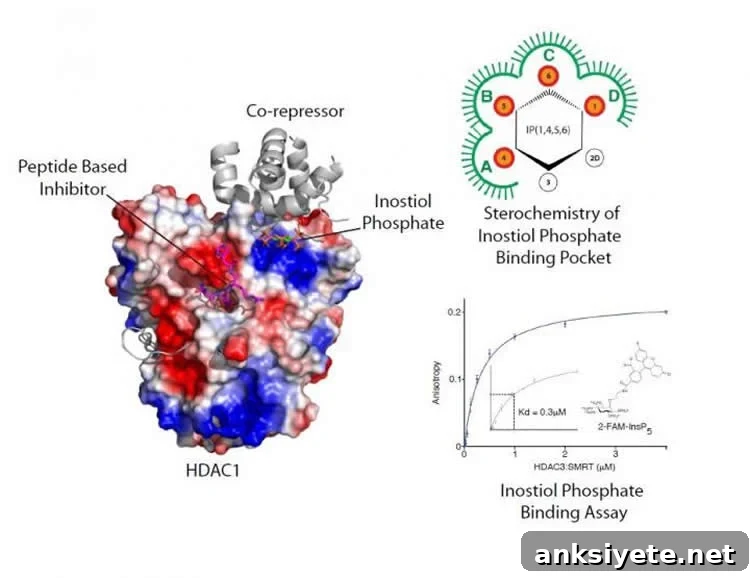
University of Leicester researchers reveal how inositol phosphates activate HDAC-containing gene regulatory complexes New findings from the University of Leicester shed light on how small signaling molecules called inositol phosphates control the activity of large gene regulatory complexes. The discovery refines our understanding of histone deacetylase (HDAC) regulation and may guide development of more selective … Read more