Preclinical Study: Gut Fungi Modulate Neuroimmunity and Behavior
featured 80633

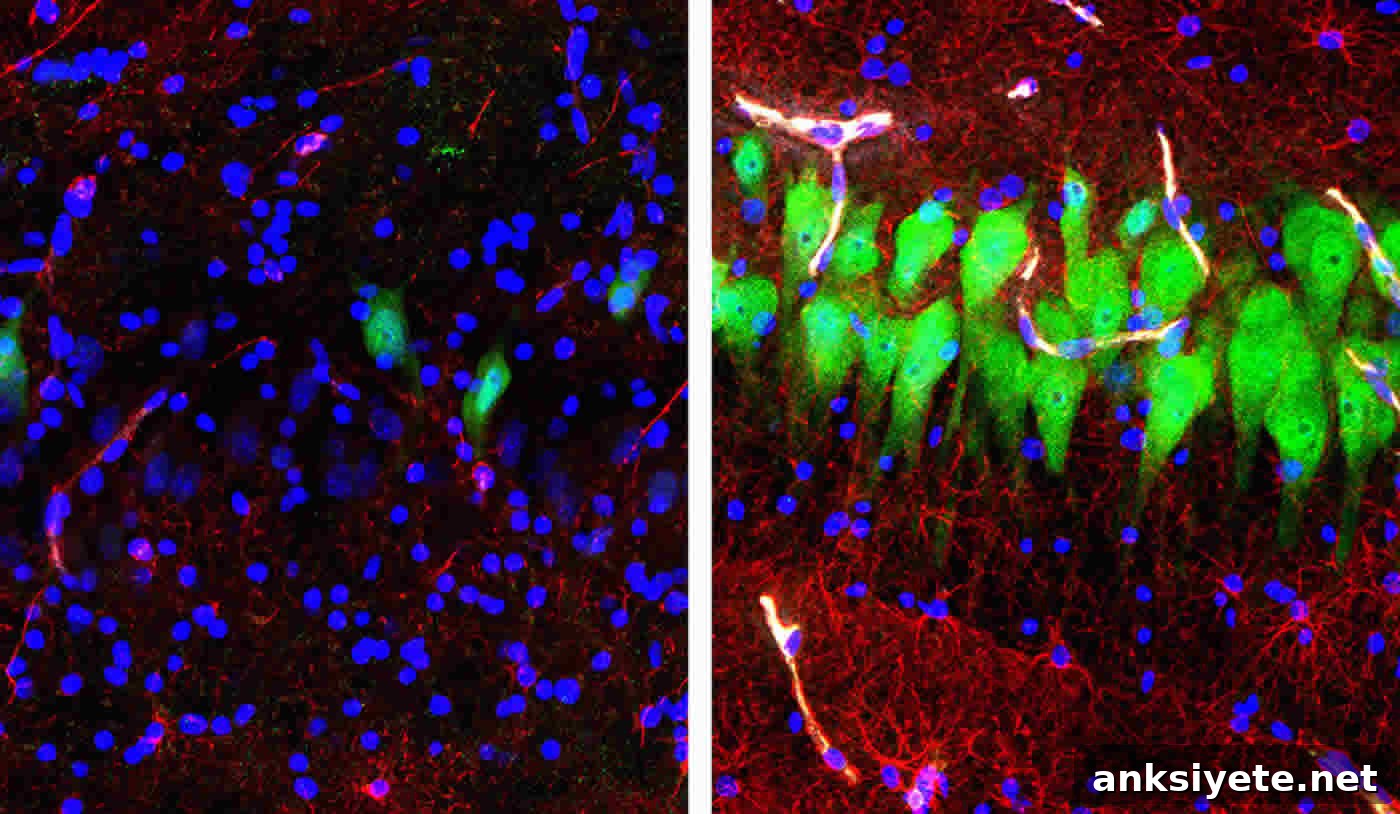
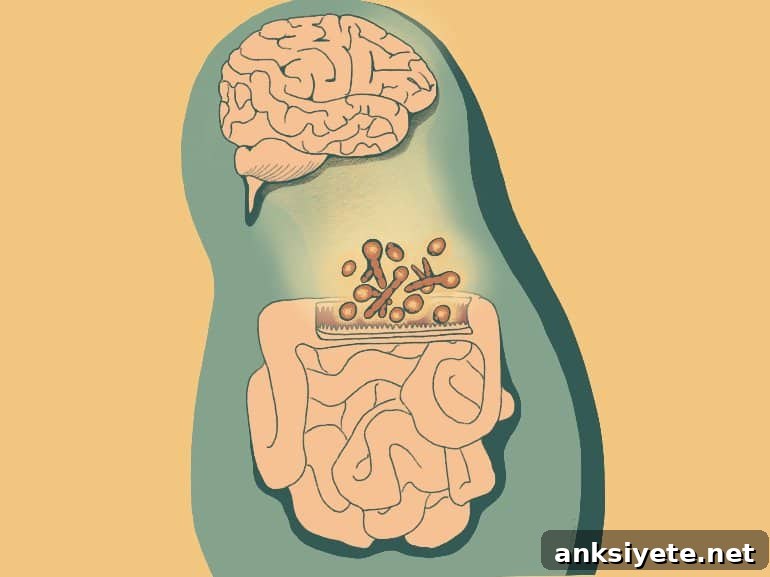
Summary: A distinct group of fungi living in the intestine can help protect the gut lining from damage and influence social behavior in animals. Source: Weill Cornell Medicine Researchers at Weill Cornell Medicine report that a specific community of fungi inhabiting the intestinal mucosa can both reinforce the gut barrier and alter social behavior in … Read more

Astrocytes Shape How the Brain Processes Information

featured 59460

Summary: Noradrenaline is essential for astrocytes to respond to local stimulation. Source: VIB Flanders A collaboration between the laboratories of Vincent Bonin (NERF, supported by VIB, imec and KU Leuven) and Matthew Holt (VIB-KU Leuven Center for Brain & Disease Research) reveals that noradrenaline plays a central role in how astrocytes—star-shaped glial cells closely associated … Read more

How Chronic Pain and Anxiety Disorders Are Connected

featured 33944

Summary: New research clarifies a long-observed link between chronic pain and anxiety and identifies a molecular pathway that could be targeted for treatment. Source: University of Vermont. Researchers have identified a specific stress-related peptide that rises in response to neuropathic pain and appears to drive both pain sensitivity and anxiety-like behaviors, suggesting a promising therapeutic … Read more

Diet Changes May Slow Brain Shrinkage in Older Adults

featured 48808

Summary: A large population study found that older adults who follow a diet high in vegetables, fruit, fish, nuts and whole grains tend to have larger brain volumes. The findings suggest diet quality may be linked to brain structure and age-related neurodegeneration. Better diet quality—especially higher intakes of vegetables, fruit, nuts and fish—is associated with … Read more

Scientists Restore Pig Brain Activity Hours After Death

featured 55539

Summary: Researchers at Yale successfully restored blood circulation and key cellular activity in a pig brain four hours after death. The findings challenge long-standing assumptions about how quickly brain cells irreversibly deteriorate after circulation stops and open new possibilities for studying large mammalian brains. Source: Yale Yale scientists report that circulation and basic cellular functions … Read more

Computational Microbiome Modeling: Tools and Techniques

featured 52786

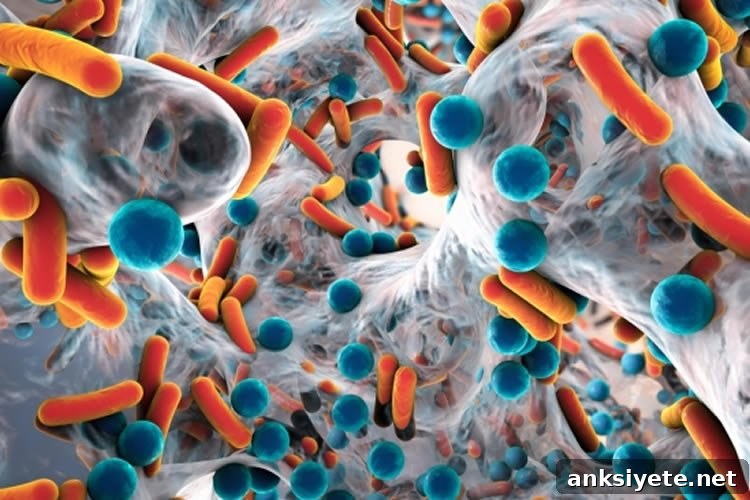
Summary: Researchers have developed a new mathematical model that analyzes the interactions between gut bacteria. Source: UC Santa Barbara. The gut microbiome — the community of microbes living in the human intestinal tract — plays a crucial role in health, but identifying which microbes drive specific effects remains challenging. To advance this understanding, physicists Eric … Read more

Do Placebo Effects Explain Psychedelic Drug Trips?

featured 63565

Summary: Can a placebo alone produce a psychedelic experience? New research from McGill University suggests it can, under the right conditions. Source: McGill University Recent interest in psychedelic-assisted therapy for depression and other mental health conditions has highlighted the powerful role of subjective experience. A study from McGill shows that, when expectations and environment are … Read more

Henry Molaison’s Brain Reveals New Clues About Memory Formation

featured 13177

3D model of a famous amnesiac’s brain illuminates human memory Jacopo Annese examines final brain tissue slides, which were also digitized for study by researchers worldwide. Credit UCSD. Henry G. Molaison, widely known in neuroscience literature as H.M., is one of the most influential patients in the study of human memory. A new, fully digitized, … Read more

How Brain Stimulation Is Helping Smokers Quit

featured 82312

Summary: Non-invasive brain stimulation appears to increase the chance of sustained smoking abstinence for three to six months after quitting, compared with sham stimulation. Source: Society for the Study of Addiction A systematic review and meta-analysis published in the journal Addiction examined whether non-invasive brain stimulation (NIBS) helps smokers maintain abstinence in the medium term. … Read more

How the Brain Remembers and Corrects Errors

featured 14836

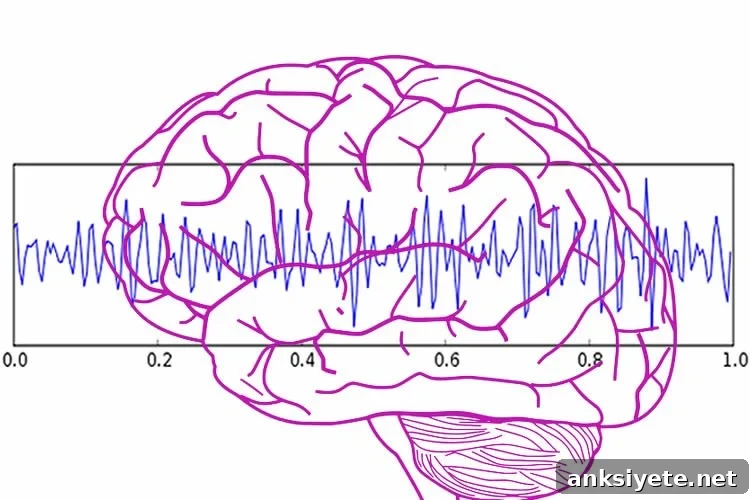
High-frequency nerve signals enable mice to remember and execute the correct movement. Processing information in the brain requires both the interpretation of sensory inputs and the translation of those inputs into actions. Electrical oscillations that travel between networks of neurons in different brain regions are widely believed to play a key role in cognition, conscious … Read more