Fetal Immune Dysfunction Linked to Neurodevelopmental Disorders
featured 32618

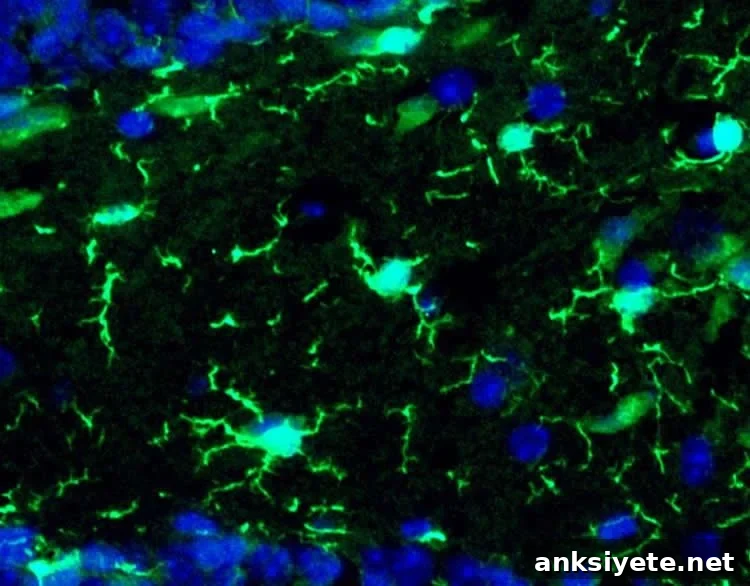
Summary: A new mouse study helps explain how maternal viral infection during pregnancy can increase the risk that children later develop autism or schizophrenia. Source: Weizmann Institute of Science. Weizmann Institute mouse study links disrupted fetal immunity to later neurodevelopmental disorders Research from the Weizmann Institute of Science, published in Science on June 23, 2016, … Read more


Novel Blood Test for Alzheimer’s Enters Clinical Trial

featured 57610

Summary: A new blood test that detects Alzheimer’s-related biomarkers is entering trials this autumn. The automated assay identifies traces of beta-amyloid in blood with strong accuracy and could simplify diagnosis and screening for Alzheimer’s disease in primary care and clinical trials. Source: Lund University Researchers at Lund University, in collaboration with Roche, have developed a … Read more

Fertility Treatments Linked to Childhood Cancer Risk

featured 40326

Summary: A population-based study by Ben-Gurion University researchers reports that children conceived after fertility treatments face a higher risk of developing pediatric neoplasms and cancers. Source: Ben Gurion University of the Negev (BGU) Overview Researchers at Ben-Gurion University of the Negev have found an association between fertility treatments—specifically in vitro fertilization (IVF) and ovulation induction … Read more

Zebrafish Social Behavior Sheds Light on Human Social Disorders

featured 50572

Summary: Researchers have pinpointed a group of neurons essential for social behavior in zebrafish. When these neurons are disabled, the fish’s ability to orient to one another breaks down in a manner that resembles social interaction deficits observed in people with autism spectrum disorders and schizophrenia. Source: University of Oregon University of Oregon researchers have … Read more

Brain Insulin Resistance Linked to Alzheimer’s Disease

featured 54157

Summary: A new study shows that impaired insulin signaling in the brain harms cognition, memory and mood, offering insight into why people with type 2 diabetes face higher risk of developing Alzheimer’s disease. Source: Joslin Diabetes Center. Researchers continue to uncover links between type 2 diabetes and Alzheimer’s disease, but the specific mechanisms remain incompletely … Read more

How Neuron Density Differs in Children with Autism

featured 105234

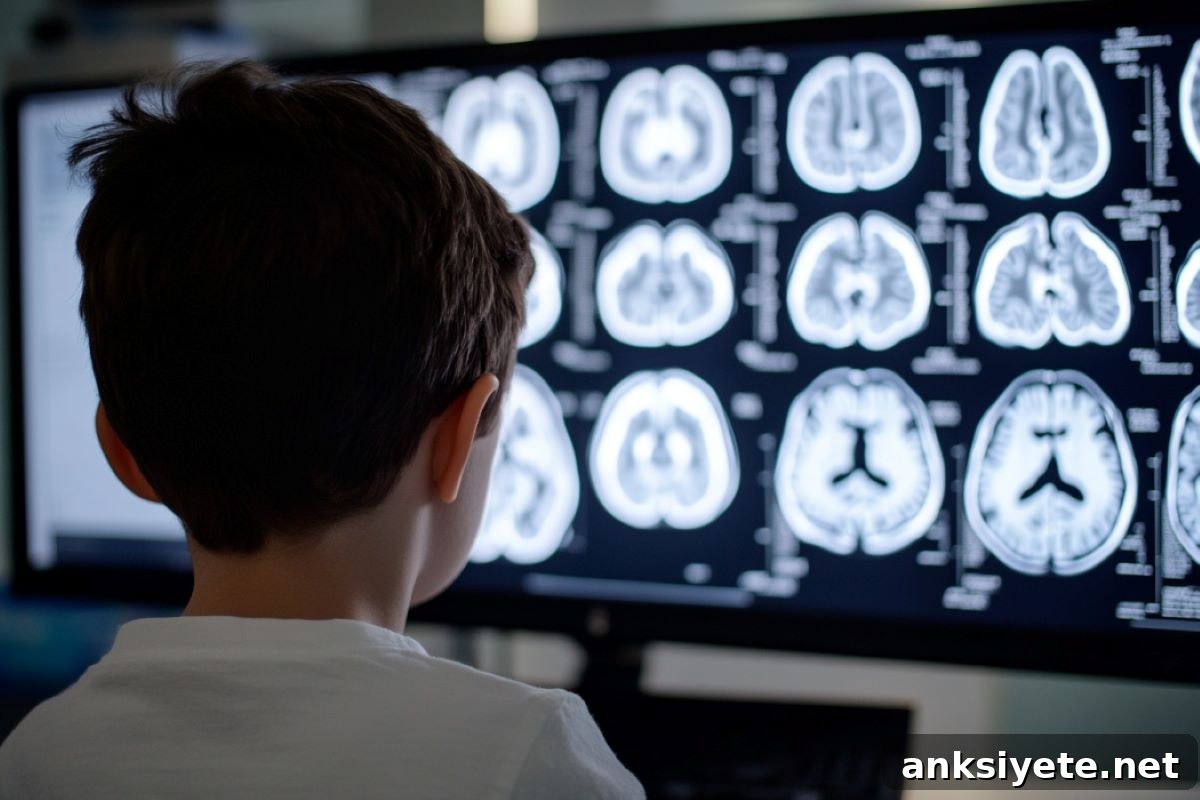
Summary: New research shows that children with autism exhibit differences in neuron density across specific brain regions compared with their peers. Using advanced MRI techniques applied to data from the ABCD study, researchers identified lower neurite density in cortical areas involved in memory and reasoning, alongside higher neurite density in emotion-related regions such as the … Read more

How the Brain Prioritizes Rewarding Experiences in Memory

featured 52584

Summary: A new Columbia University study finds that overnight the brain selectively preserves memories tied to rewarding events while allowing less relevant details to fade. These findings reveal how memory consolidation helps shape future decisions and behavior. Source: Columbia University How does the brain decide which experiences to keep and which to discard? New research … Read more

Understanding Serotonin Neuron Subtypes and Their Functions

featured 18788

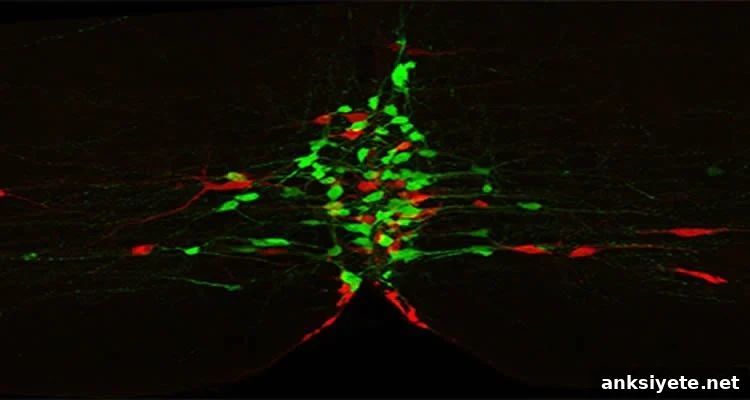
New insights could inform SIDS understanding, depression treatment. Breathing. Body temperature. Mood. Appetite. Blood pressure. Sexual desire. Whatever the physiological function, the neurotransmitter serotonin appears to play a role in regulating it. Serotonin is produced by a single broad class of brain cells, yet those serotonergic neurons perform many different jobs. Neuroscientists have long proposed … Read more

Air Pollution Raises Psychiatric Risk in Adolescents

featured 31966

Summary: A large Swedish study finds a link between neighborhood air pollution levels and dispensed medications for psychiatric diagnoses among children and adolescents. Source: Umeå University New research from Umeå University in Sweden links dispensed medications for psychiatric conditions among children and adolescents to local air pollution levels. The study uses nationwide register data and … Read more

Preserving Cognitive Abilities in People at Risk for Psychosis

featured 74506

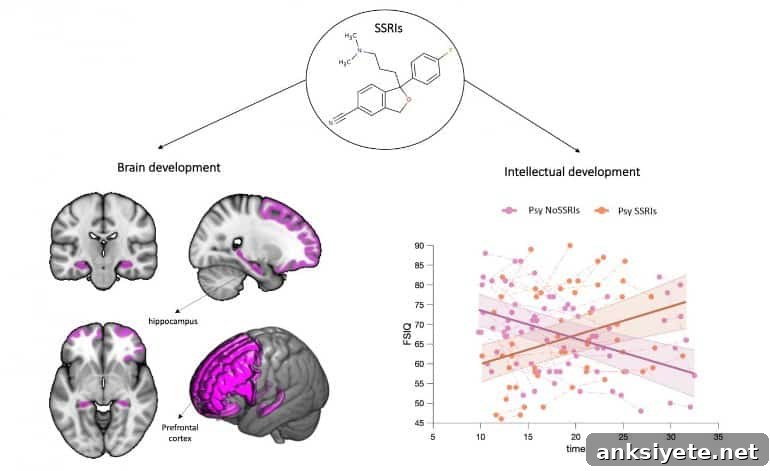
Summary: Early treatment with selective serotonin reuptake inhibitors (SSRIs) in late childhood and adolescence appears to reduce decline in intellectual functioning and protect key brain regions linked to psychosis in people with genetic risk. New evidence from University of Geneva researchers suggests SSRIs may have a neuroprotective effect when given before or during the critical … Read more