Circadian Rhythm Alters Gut Microbiome Abundance in Mice

featured 22258

“You are what you eat” has long been used to describe the gut microbiome, but new research from the Perelman School of Medicine at the University of Pennsylvania shows that not only what you eat, but also who eats and when they eat, can shape the microbiome. The study, published online in the Early Edition … Read more
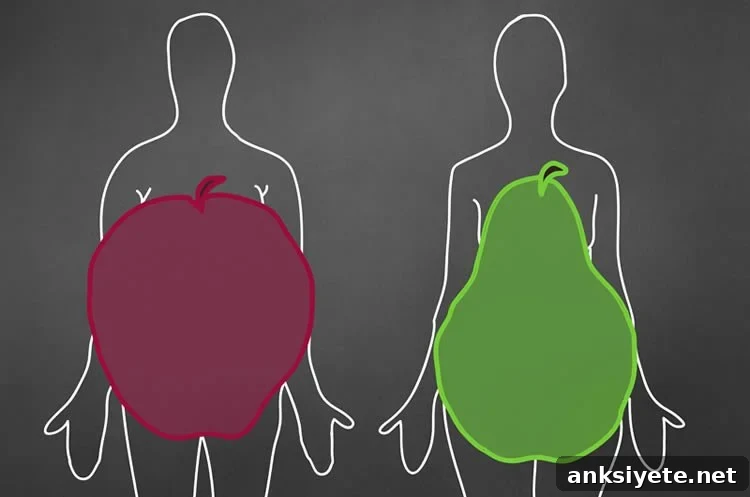

Apple-Shaped Women at Higher Risk for Binge Eating

featured 25493

Women who carry more fat around their midsection—commonly described as an apple-shaped body—may face a higher risk of developing episodes of “loss-of-control” eating, according to new research from Drexel University. The study also found that greater central fat was linked with lower body satisfaction, a factor that may contribute to disordered eating behaviors. This investigation … Read more

Exercise Preserves Your Brain’s Gray Matter

featured 61180

Summary: Cardiorespiratory exercise—such as brisk walking, running, or cycling—appears to increase gray matter volume in brain regions linked to age-related cognitive decline. These findings support prior research that connects regular physical activity with neuroprotection and better brain health. Source: Mayo Clinic Can cardiorespiratory exercise that raises your heart rate also help protect your brain from … Read more

3D Mini Brains Accelerate Brain Repair Research

featured 45518

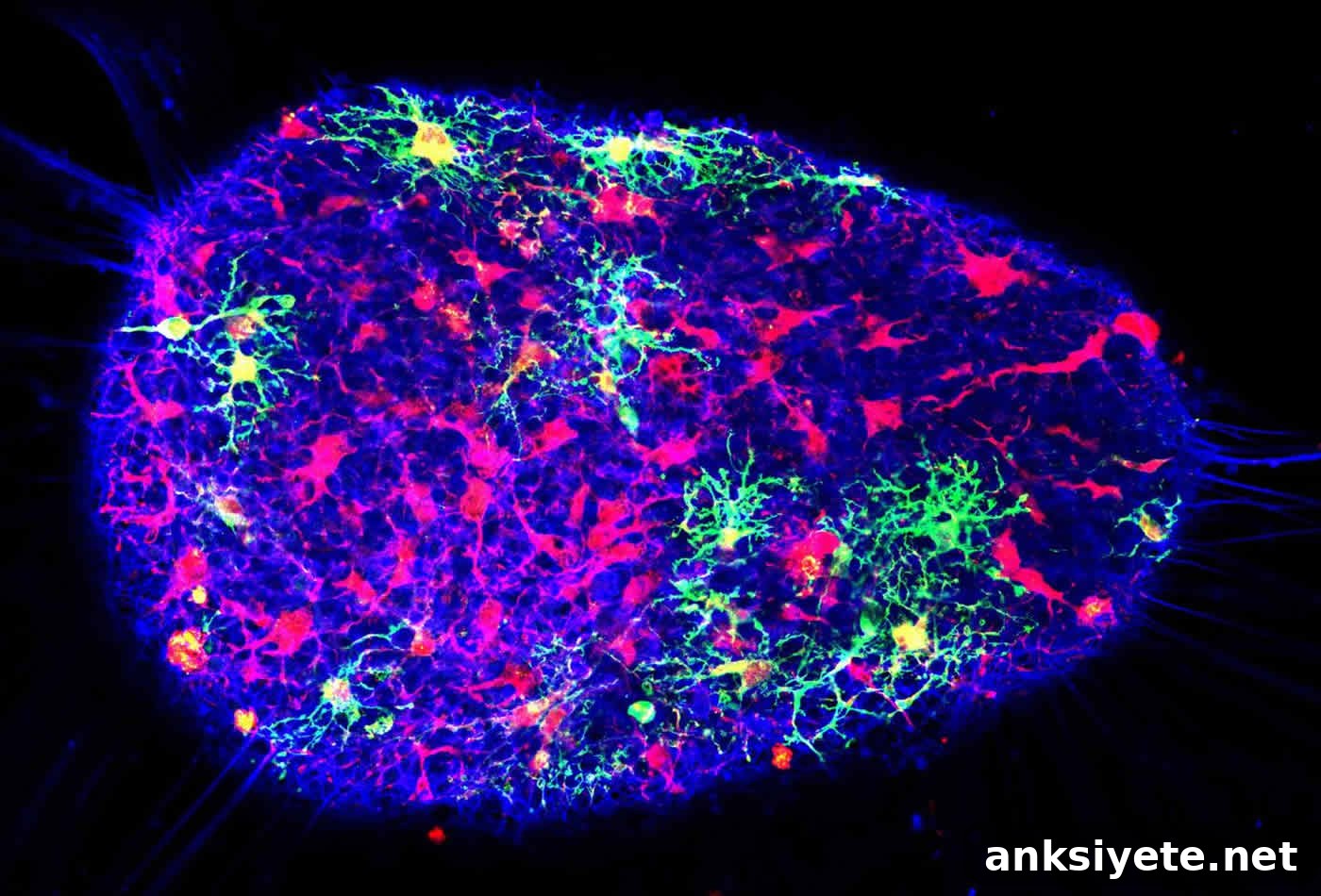
Summary: Scientists have developed a faster method to produce three-dimensional human brain models in the lab. This approach shortens the time required to produce mature neural and glial interactions, potentially speeding research into neurological injury and disease and improving drug screening. Source: Houston Methodist. Houston Methodist Research Institute researchers have engineered 3-D mini brain models … Read more

How a Japanese Herbal Medicine Protects the Gut from IBD

featured 85605

Summary: A Japanese herbal formula, Daikenchuto (DKT), which combines ginger, Japanese pepper, ginseng and maltose, reduced signs of colitis in a mouse model by restoring beneficial gut microbes and enhancing anti-inflammatory immune cells. Source: RIKEN Researchers Zhengzheng Shi and colleagues at the RIKEN Center for Integrative Medical Sciences (IMS) in Japan examined how a widely … Read more

Childhood Obesity Tied to Emotional Problems Starting at Age 7

featured 55819

Summary: Children who were overweight or obese by age 7 were more likely to develop emotional problems by age 11, according to a large UK study that followed children through adolescence. Childhood Obesity and Emotional Problems Appear Together from Age 7, UK Cohort Shows Source: European Association for the Study of Obesity New research presented … Read more

Computational Model Reveals How the Brain Learns Categories

featured 19743

Researchers at New York University have developed a computational neural-circuit model that explains how the brain learns to sort continuous sensory inputs into discrete categories—think “car vs. motorcycle” or “dog vs. cat.” Published in Nature Communications, the study clarifies neural mechanisms of category learning and provides testable predictions about the role of feedback signals in … Read more

Scientists Discover Compounds That Could Restore Color Vision

featured 115825

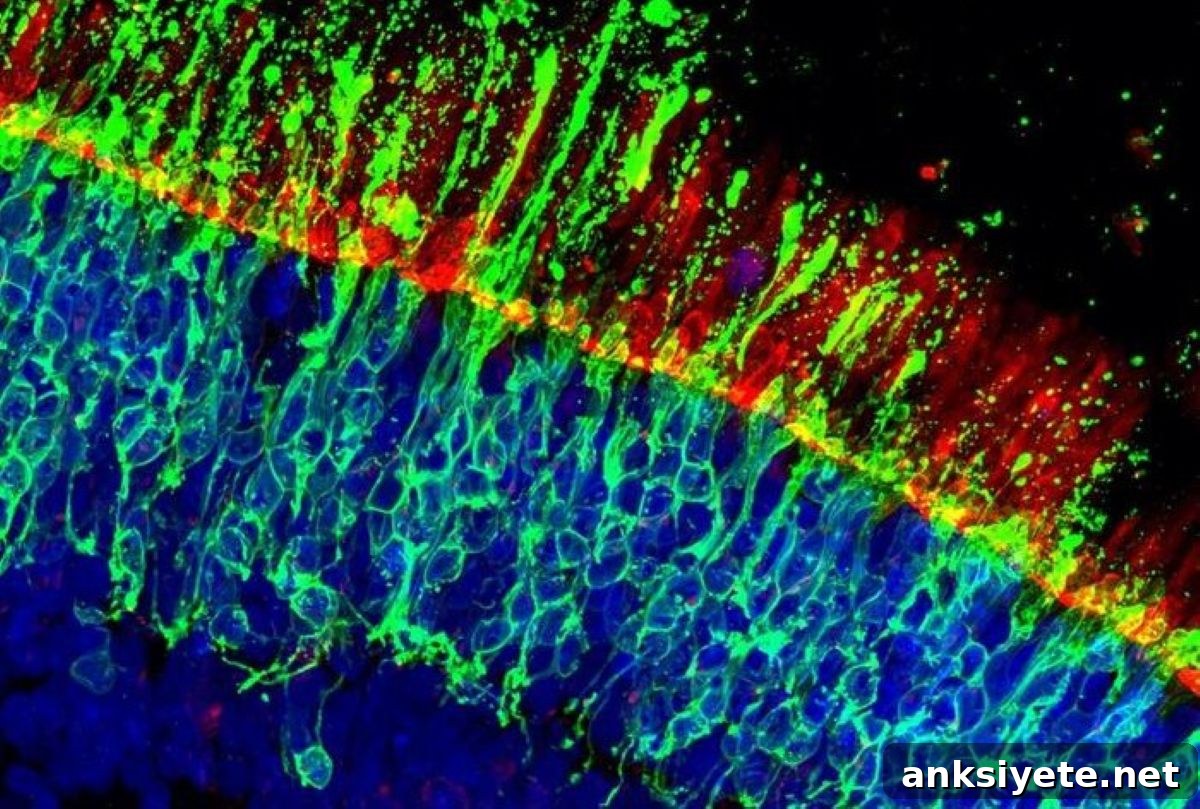
Summary: Losing the ability to read, recognize faces, or perceive color is a devastating consequence of age-related macular degeneration (AMD) and many inherited retinal diseases. Until now, no approved therapy has been shown to prevent the progressive loss of cone photoreceptors—the retinal cells that provide high-resolution central vision. A new study identifies genetic pathways and … Read more

Prenatal Opioid Exposure Linked to Altered Infant Brain Function

featured 60739

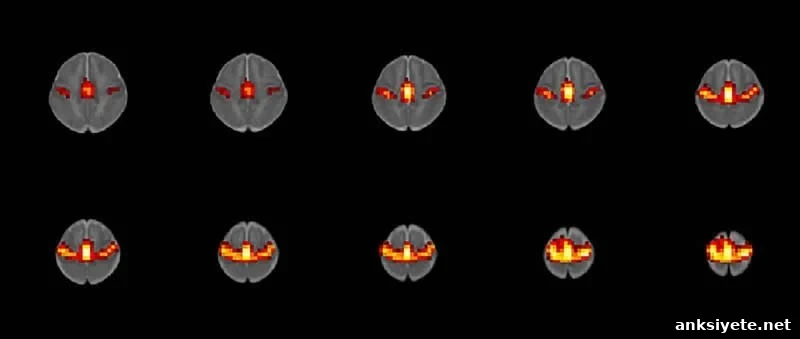
Prenatal Opioid Exposure Changes Infant Amygdala Connectivity, RSNA Study Reports Summary: Prenatal opioid exposure is linked to altered connections between the amygdala and other brain regions in newborns, according to new fMRI findings. Source: RSNA Overview Opioid use during pregnancy presents a growing public health concern with serious implications for maternal and infant health. Infants … Read more

Lab Grown Brain Organoids Reveal Complex Neural Activity

featured 76849

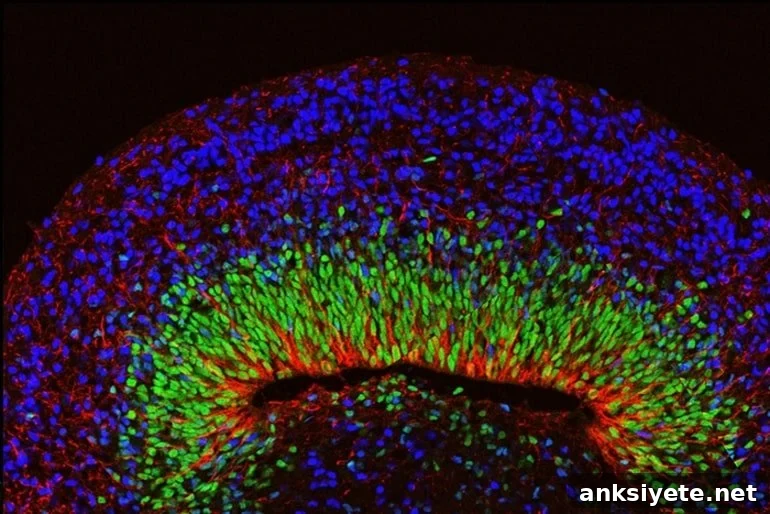
Summary: Newly developed brain organoids grown from human stem cells exhibit organized waves of neural activity that resemble the brainwaves seen in living human brains. Source: UCLA Researchers at the Eli and Edythe Broad Center of Regenerative Medicine and Stem Cell Research at UCLA have created three-dimensional brain organoids from human stem cells that display … Read more