Partners of People with Depression Face Higher Chronic Pain Risk

featured 33597

Summary: A new study finds that people whose partners have depression are at greater risk of developing chronic pain. Partners of people with depression are more likely to suffer from chronic pain, new research from the University of Edinburgh shows. Researchers report that chronic pain and depression share both genetic and environmental causes. Some risk … Read more


New Study Finds Spite Drives Belief in Conspiracy Theories

featured 108020

Summary: New research indicates that spite — a psychological response tied to feelings of uncertainty, threat, or disadvantage — plays a significant role in why people accept conspiracy theories. Analyses of data from about 1,000 participants show that spiteful motives strengthen the connection between conspiracy thinking and core needs for understanding, security, and social significance. … Read more

Lifestyle Choices Linked to More Years Without Alzheimer’s

featured 81905

Summary: Older adults who followed healthier lifestyles not only lived longer, they also spent a greater share of those extra years free from Alzheimer’s disease. Source: BMJ A new US study published in The BMJ reports that older adults with healthier habits had longer overall life expectancy and a larger proportion of those additional years … Read more

How Music and Your Native Language Shape the Brain

featured 45268

Summary: New research suggests the auditory system is influenced by long-term exposure to different sound environments, including a speaker’s native language and musical training. Source: University of Helsinki. The brain’s auditory system is shaped by exposure to native language patterns and musical training, affecting how basic sound features are processed. In a doctoral study from … Read more

Can Facial Bone Structure Predict Left-Handedness?

featured 40362

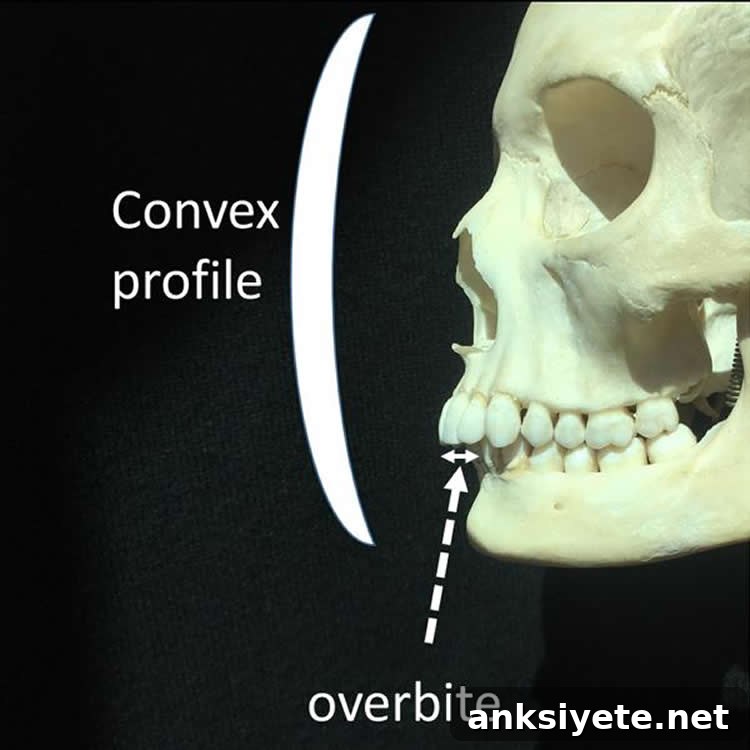
Summary: Researchers have identified a link between facial structure and handedness. Analysis of more than 13,500 people found that a lower face profile characterized by a slightly recessed lower jaw — commonly called an overbite or slender jaw — is associated with an increased likelihood of being left-handed. The study author suggests the same genetic … Read more

Teen Thalamic Inhibition Tied to Schizophrenia Cortical Deficits

featured 82968

Summary: Research suggests that cognitive problems linked to schizophrenia may originate from altered thalamic activity during adolescence, a critical window for brain maturation. Source: Columbia University Researchers at Columbia University report evidence that disruptions in thalamic activity during adolescence can lead to long-lasting cognitive impairments in adulthood, offering new insight into mechanisms that may underlie … Read more

Fever Linked to Temporary Improvement in Autism Symptoms

featured 102167

Summary: Researchers are investigating why fever can temporarily improve autism symptoms so they can recreate the beneficial effect without causing fever. Their work focuses on the immune signaling molecule IL-17a and aims to translate animal findings into safe, targeted therapies. Building on animal studies that point to immune-to-brain signaling as a driver of the so-called … Read more

Immature Gut Microbiota and Barriers Fuel Neonatal Meningitis

featured 75621

Summary: Immaturity of the gut microbiome and of epithelial barriers in the intestine and choroid plexus contributes significantly to newborn vulnerability to meningitis. Source: Institut Pasteur Neonatal meningitis carries a high risk of death and often leads to serious long-term complications. Newborns are especially vulnerable: they develop meningitis at far higher rates than older children … Read more

Mathematical Model Explains How Brains Align on Odor Perception

featured 48369

Summary: A new computational model clarifies how individuals with different neural wiring can nevertheless agree on the identity and similarity of odors, provided they share even a small overlap of odor experience. In a new study, researchers at Columbia University developed a computational model that explains why people can consistently identify and generalize odors even … Read more

New Study Finds Link Between Allergies and Depression, Anxiety

featured 77847

Summary: People with common allergic conditions — including asthma, hay fever and atopic dermatitis — are more likely to report depression, anxiety, bipolar disorder and higher neuroticism scores. Genetic analyses in this study, however, suggest these links are unlikely to be directly causal. Source: Wiley In a study published in Clinical and Experimental Allergy, investigators … Read more