Children as Young as 3 Detect Bad Excuses, Study Finds

featured 89742

Summary: Preschool children aged 3 to 5 can distinguish between acceptable and poor excuses when someone breaks a promise. Source: Duke University We’ve all broken a promise at some point—whether because circumstances changed or we simply didn’t follow through. New research from Duke University shows that young children are attentive to the explanations adults give … Read more

Protein Deficiency Linked to Spinal Muscular Atrophy Risk

featured 32858

Summary: A new study identifies a specific cellular mechanism—endocytosis—as disrupted in spinal muscular atrophy (SMA), offering a fresh lead for future therapies and suggesting a possible infection-related consequence for carriers. Source: Brown University Researchers have long known that spinal muscular atrophy (SMA) results from loss of function in both copies of the SMN1 gene, producing … Read more

Study Finds Highly Processed Foods May Be Addictive Like Tobacco

featured 87891

Summary: Using the established criteria for tobacco addiction, a new analysis concludes that many highly processed foods have addictive properties. Source: University of Michigan Can highly processed foods be addictive? Researchers have debated this question for years as diets high in refined carbohydrates and added fats continue to drive poor health outcomes. A recent collaborative … Read more

How Sleep Improves Memory and Recall

featured 21106

In Macbeth, Shakespeare called sleep “the death of each day’s life,” but modern research suggests a very different role: sleep appears to protect and preserve memories. New work from the Florida campus of The Scripps Research Institute (TSRI) combines neuroscience and psychological approaches to clarify how sleep supports memory. Published online ahead of print in … Read more

How Ketamine Reshapes the Brain: Neuroimaging Insights

featured 98746

Summary: New research shows that repeated ketamine exposure causes broad structural changes across the brain’s dopamine system, underscoring the need for more targeted ketamine therapies that limit unintended effects on other dopamine-regulated regions. Researchers mapped ketamine’s effects throughout the mouse brain and found that sustained exposure reduces dopamine neurons in midbrain regions associated with mood … Read more

How Mitochondria Drive Brain Repair and Neurogenesis

featured 101142

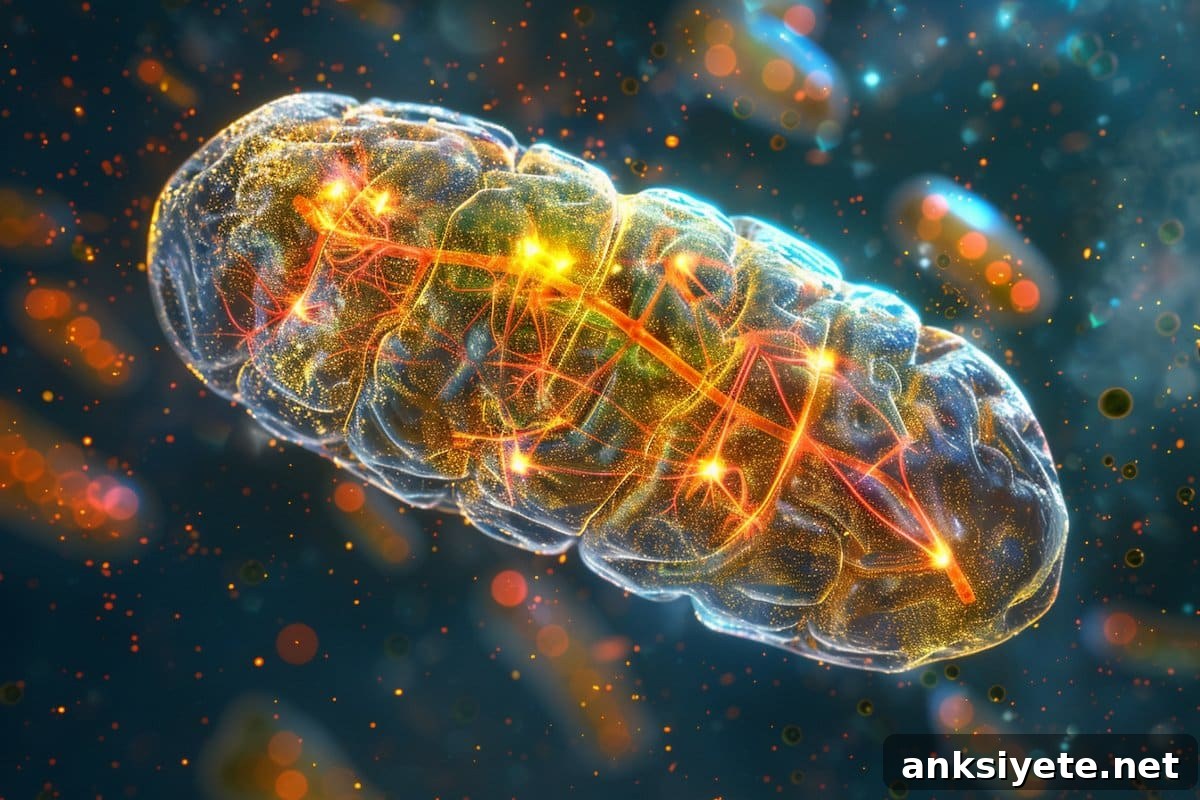
Summary: Researchers have uncovered a crucial role for mitochondrial fusion during the maturation of adult-born neurons, showing that dynamic changes in mitochondrial shape and behavior are essential for these neurons to form and refine synaptic connections. This mitochondrial remodeling supports the heightened synaptic plasticity that adult-born neurons display during a critical period in the hippocampus. … Read more

Study: Exercise May Slow Cognitive Decline in Rare Alzheimer’s

featured 51512

Summary: For people who carry a genetic mutation that causes early-onset Alzheimer’s disease, engaging in at least 150 minutes (2.5 hours) of physical activity per week may help delay cognitive decline and reduce Alzheimer’s-related brain changes, including tau accumulation. Researchers suggest these findings could have implications for more common forms of Alzheimer’s disease as well. … Read more

Sniffing Your Partner’s Shirt May Improve Sleep

featured 62270

Summary: Exposure to a romantic partner’s scent during sleep can improve sleep quality, even when the partner is not physically present. Source: University of British Columbia New research from the University of British Columbia suggests that the scent of a romantic partner can meaningfully improve sleep quality. In a controlled sleep study, researchers found that … Read more

Study Pinpoints Brain Circuit That Sparks Rage

featured 27937

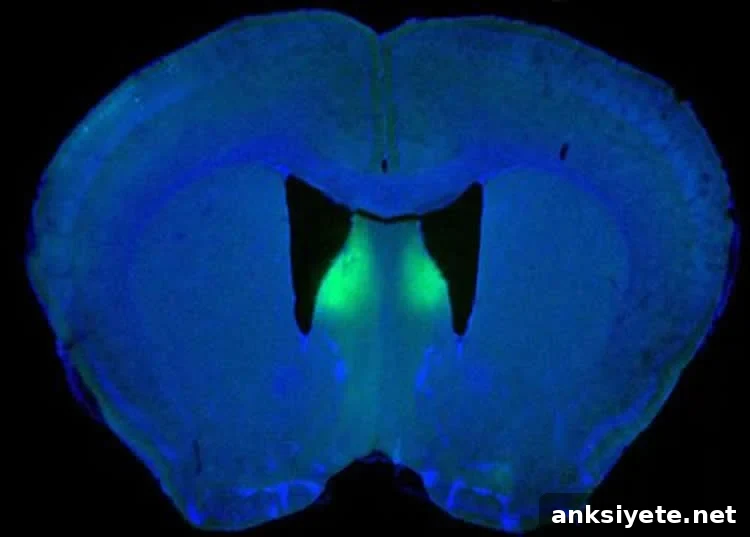
Study in mice may lead to better understanding of aggression in other animals, including humans. Researchers at NYU Langone Medical Center report that sudden, unprovoked violent outbursts in male mice are linked to changes in a midbrain structure involved in regulating fear and anxiety. Their findings, published online in Current Biology on February 11, 2016, … Read more

How Gut Bacteria Influence Movement and Motor Control

featured 52211

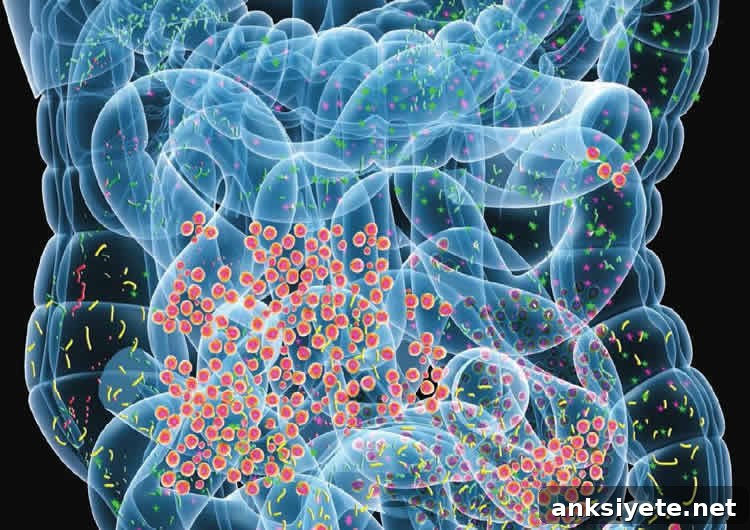
Summary: New research indicates that gut bacteria can influence the neural circuits that control movement in fruit flies. The findings raise the possibility that microbes in the gut may play a similar role in mammalian locomotion and contribute to movement disorders such as Parkinson’s disease. Source: NIH/NINDS Researchers report in Nature that gut bacteria can … Read more