Green Space Exposure in Childhood Linked to Lower ADHD Risk

featured 72006

Summary: Children who grew up in residential areas with greater surrounding green space had a lower likelihood of receiving an ADHD diagnosis compared with children raised in environments with limited access to nature. Source: Aarhus University New research from iPSYCH indicates that the amount of vegetation near a child’s home during early childhood may influence … Read more


How RNA Editing Could Extend Human Lifespan

featured 21823

Altering RNA helicases in roundworms doubles their lifespan; a related approach could inform human cell research Most of the lifestyle choices people make—quitting smoking, changing diet, exercising—produce modest effects on longevity. Yet the biology of aging progresses regardless: growth and repair mechanisms that serve us well in youth decline with age. A research team at … Read more

Astrocytes Prune Synapses to Maintain Adult Brain Plasticity

featured 70196

Summary: New research from KAIST shows that astrocytes, rather than microglia, continuously remove unnecessary excitatory synapses in the adult brain in an activity-dependent manner. Source: KAIST As the brain learns and forms memories, it constantly creates and refines connections between neurons called synapses. Important and frequently used connections are strengthened, while redundant or unneeded ones … Read more

How Tiny Moments Shape Baby Brain Development

featured 74427

Summary: Research reveals a crucial role for the protein Cep55 in brain development and in abscission, the final step of cell division. Source: University of Virginia Researchers at the University of Virginia School of Medicine report new insights into how the brain develops, showing that the final step of cell division—abscission—is essential for achieving normal … Read more

Why Changing Your Mind Can Be Risky

featured 41481

Summary: A new study finds that leaders who base their positions on moral arguments but later reverse them are more likely to be judged harshly than those who originally argued on pragmatic grounds. Source: American Psychological Association Leaders who change moral positions are seen as hypocritical and less effective, study finds Leaders who justify their … Read more

Addressing Negative Perceptions of Genetically Engineered Foods

featured 51422

Summary: Researchers aim to clarify the divide between proponents and opponents of genetically engineered foods. Source: WUSTL. Is a non-browning apple less “natural” than skim milk? One product involved inserting a change into apple DNA to prevent browning after cutting; the other involved removing fat that naturally occurs in milk. The issue of what people … Read more

Army Uses Big Data to Advance Neuroscience Research

featured 62060

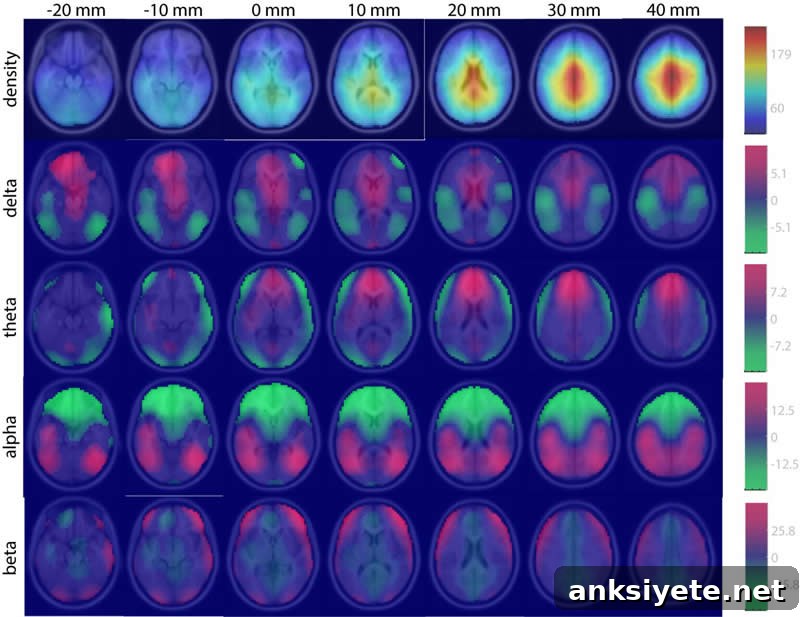
Summary: A large-scale, cross-study analysis of EEG data uncovers brain activity patterns that are consistent across people and tasks, offering new insights for neuroscience and neurotechnology. Source: U.S. Army Research Laboratory Big-data methods in neuroscience are revealing general patterns that link brain activity, cognitive state, and task performance. Neurotechnology has only recently begun to explore … Read more

Driving Habits That May Indicate Mild Cognitive Impairment

featured 114149

Summary: Researchers report that everyday driving patterns can reveal early signs of cognitive decline years before a clinical diagnosis. In a study published in Neurology, older drivers who later developed mild cognitive impairment (MCI) showed gradual reductions in trip frequency, nighttime driving, and route variety compared with cognitively healthy peers. Using passively collected GPS data … Read more

Targeting Liver X Receptor Beta to Treat Depression

featured 105092

Summary: A recent Bench to Bedside review highlights liver X receptor beta (LXRβ) as a promising molecular target for depression and anxiety. Best known for its role in cholesterol metabolism and inflammation, LXRβ is increasingly recognized for its influence on brain function—balancing neurotransmission, supporting neurogenesis, and improving cognitive performance. These findings point to new directions … Read more

Study Identifies Brain Cell Type Linked to Depression

featured 112510

Summary: Researchers analyzing post-mortem brain tissue identified two specific cell types that are altered in people with depression: a class of deep-layer excitatory neurons involved in mood and stress regulation, and a subtype of microglia that manage inflammation. The study connects molecular changes in these cells with the genetic and regulatory features associated with major … Read more