
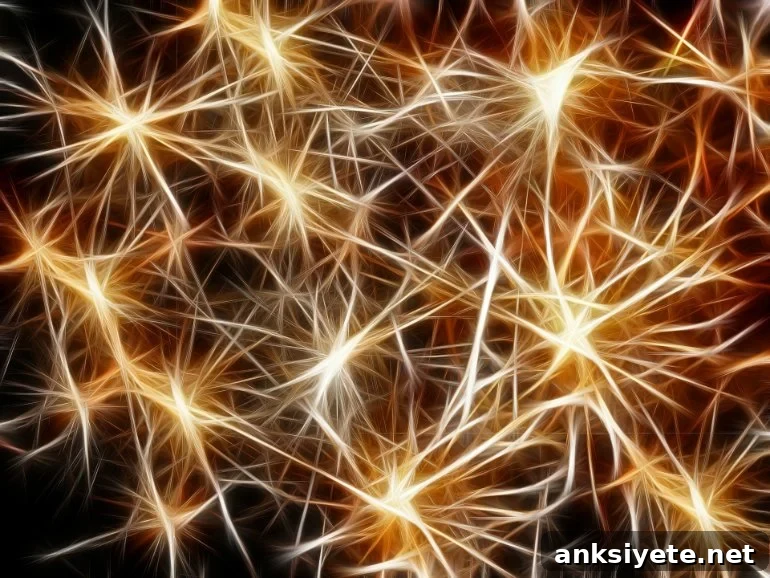
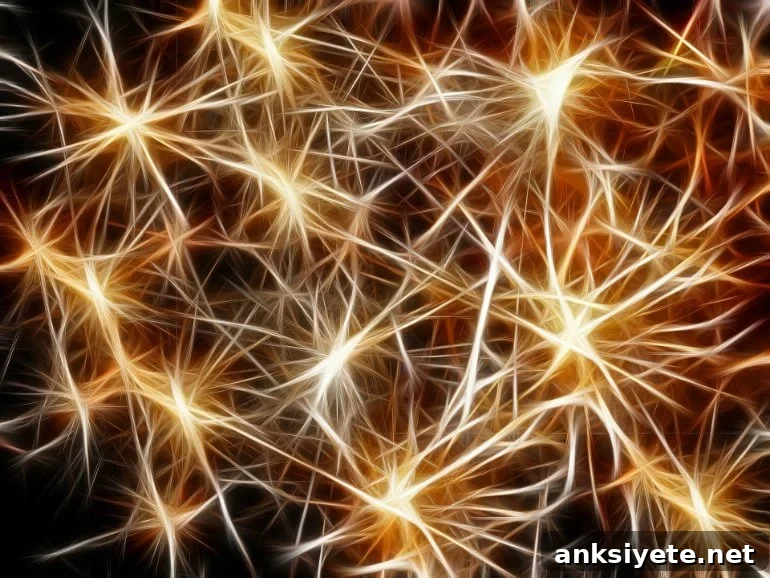
Summary: New research from KAIST shows that astrocytes, rather than microglia, continuously remove unnecessary excitatory synapses in the adult brain in an activity-dependent manner.
Source: KAIST
As the brain learns and forms memories, it constantly creates and refines connections between neurons called synapses. Important and frequently used connections are strengthened, while redundant or unneeded ones are pruned away. While this synaptic pruning is well established during development, how synapse elimination occurs in the adult brain and which cells drive that process has been less clear.
A research team at the Korea Advanced Institute of Science and Technology (KAIST) has identified a cellular mechanism that governs synaptic turnover in the adult hippocampus and linked it to cognitive function. Their work, published on December 23 in Nature, reveals that astrocytes play a central role in removing adult excitatory synapses in response to neuronal activity, challenging the prevailing view that microglia are the primary synapse-eating cells.
“This discovery reshapes our understanding of how neural circuits are refined during learning and memory and has implications for neurological disorders,” said Won-Suk Chung, assistant professor in KAIST’s Department of Biological Sciences and a co-author of the study. “Alterations in synapse number and turnover have been associated with conditions such as autism spectrum disorders, schizophrenia, frontotemporal dementia, and certain seizure disorders.”
Gray matter in the brain contains both microglia and astrocytes. Microglia are immune-like cells traditionally credited with clearing debris and engulfing unwanted material, while astrocytes are star-shaped glial cells that support neurons, help maintain chemical balance, and shape neuronal signaling. Until now, many researchers believed microglia carried out the majority of synaptic phagocytosis. The KAIST team’s results indicate otherwise for the adult hippocampus.
Using a new molecular sensor designed to report glial phagocytosis of synapses, the researchers measured how frequently synapses are eliminated and which glial cell types perform the removal. They tested this reporter in normal adult mice and in mice genetically lacking MEGF10, a receptor required for astrocyte-mediated phagocytosis. The findings showed that astrocytes, not microglia, were primarily responsible for the ongoing, activity-dependent removal of excitatory synapses in the CA1 region of the adult hippocampus.
Mice with impaired astrocytic phagocytosis due to MEGF10 deletion accumulated an abnormally high number of excitatory synapses in the hippocampus. Importantly, collaboration with colleagues at the Korea Brain Research Institute (KBRI) demonstrated that these surplus synapses were functionally defective, and animals lacking MEGF10 displayed impairments in long-term synaptic plasticity and in forming hippocampus-dependent memories.
“Our data indicate that astrocytes are the main drivers of synapse elimination in the adult hippocampal CA1 region and that this astrocytic function is essential to maintain healthy synapse numbers and proper circuit plasticity,” Professor Chung explained. By actively pruning excess excitatory connections, astrocytes help preserve circuit homeostasis and cognitive performance.
The team emphasizes that synapse elimination is only beginning to be understood in the context of adult brain physiology. Preliminary results from other brain regions suggest that the rate and extent of astrocyte-mediated synapse removal vary by region. The researchers hypothesize that local circuit activity, molecular signals, and environmental factors likely shape how astrocytes regulate synaptic connectivity in different areas of the brain. Ongoing work aims to identify the factors that determine regional differences in astrocytic synaptic pruning.
“A key long-term goal is to understand how astrocyte-driven synapse turnover influences the onset and progression of neurological diseases,” Professor Chung said. “If astrocytic phagocytosis can be modulated to restore healthy synaptic connectivity, it may represent a novel therapeutic approach for a range of brain disorders.”
Funding: This research was supported by the Samsung Science & Technology Foundation, the National Research Foundation of Korea, and the Korea Brain Research Institute basic research program.
Contributors to the study include Joon-Hyuk Lee and Se Young Lee from KAIST’s Department of Biological Sciences; Ji-young Kim, Hyoeun Lee and Hyungju Park from the Korea Brain Research Institute; Seulgi Noh and Ji Young Mun from the Research Group for Neural Circuit at KBRI. Kim, Noh and Park also hold affiliations with the Department of Brain and Cognitive Sciences at the Daegu Gyeongbuk Institute of Science and Technology (DGIST).
About this brain plasticity research news
Source: KAIST
Contact: Won-Suk Chung – KAIST
Image: The image is in the public domain
Abstract
Astrocytes phagocytose adult hippocampal synapses for circuit homeostasis
In the adult hippocampus, synapses are continuously formed and removed. The precise role and regulation of synapse elimination in adult brains have remained unclear. This study demonstrates that astrocytic phagocytosis is essential for maintaining appropriate synaptic connectivity and plasticity in the hippocampus. Using fluorescent reporters of phagocytosis, the investigators observed elimination of both excitatory and inhibitory synapses by glial cells in the CA1 region. Contrary to expectations, astrocytes had a dominant role in activity-dependent removal of excitatory synapses. Deletion of the astrocytic phagocytic receptor MEGF10 reduced the removal of excitatory synapses, resulting in an excess accumulation of structurally present but functionally impaired synapses. MEGF10-deficient mice exhibited deficits in long-term synaptic plasticity and in forming hippocampal memories. Together, these results provide strong evidence that astrocytes, through MEGF10-mediated phagocytosis, remove unnecessary excitatory synaptic connections in the adult hippocampus to preserve circuit connectivity and support cognitive function.