
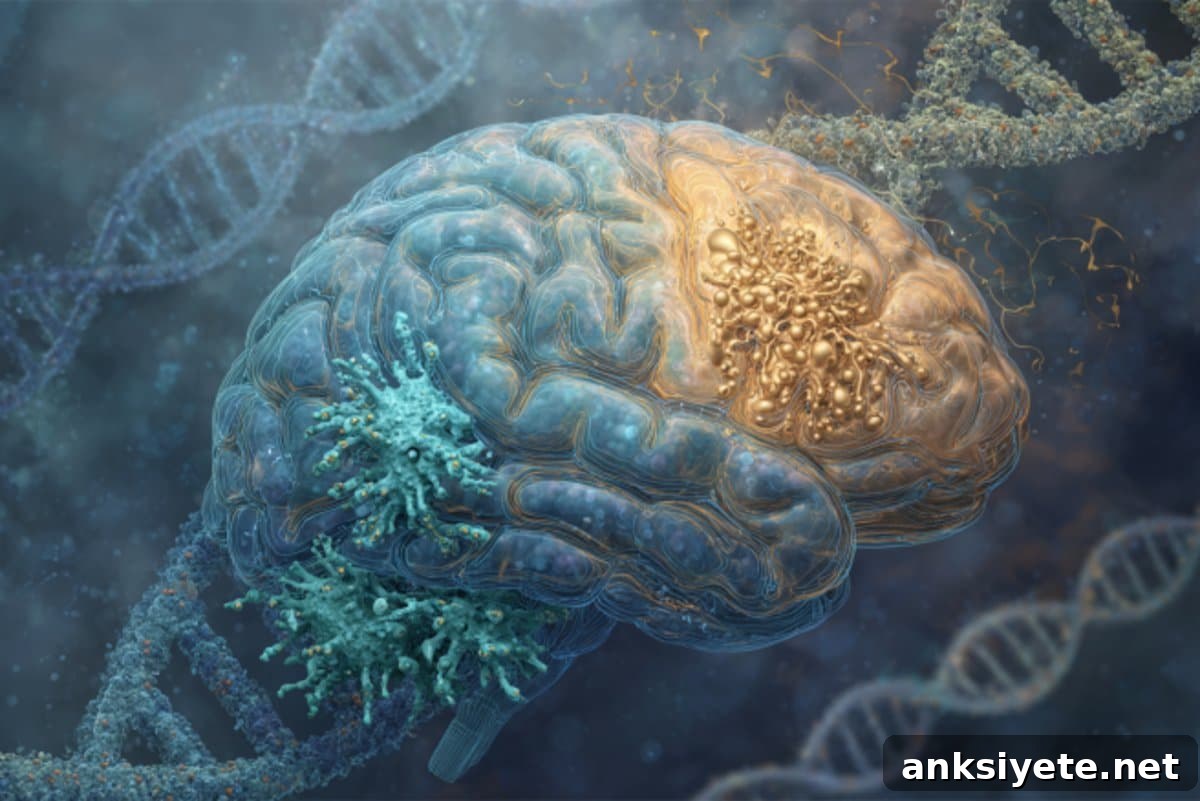
Summary: Researchers analyzing post-mortem brain tissue identified two specific cell types that are altered in people with depression: a class of deep-layer excitatory neurons involved in mood and stress regulation, and a subtype of microglia that manage inflammation. The study connects molecular changes in these cells with the genetic and regulatory features associated with major depressive disorder, reinforcing that depression involves measurable brain changes rather than only subjective emotional symptoms.
By combining single-cell measurements of gene expression with maps of DNA regulatory activity, scientists were able to link altered gene function to underlying genome regulation within distinct cell types. These discoveries point to precise cellular targets that could guide development of new, more targeted treatments for depression, a condition that affects hundreds of millions of people worldwide.
Key facts
- Targeted cell types: Deep-layer excitatory neurons tied to mood and stress circuits, and a gray-matter microglia subtype involved in immune homeostasis showed altered gene-regulatory and expression profiles in individuals with depression.
- Rare resource: The study used donated post-mortem tissue from the Douglas-Bell Canada Brain Bank, one of the few collections with samples from people who had psychiatric disorders.
- Therapeutic potential: Identifying the specific cells and regulatory mechanisms implicated in depression opens avenues for precision therapies focused on defined cellular processes.
Source: McGill University
Researchers at McGill University and the Douglas Institute have identified two specific types of brain cells that are altered in people with depression.
The research, published in Nature Genetics, advances understanding of major depressive disorder by pinpointing cellular and gene-regulatory changes in the dorsolateral prefrontal cortex. The work underscores how genetic risk for depression can alter the regulatory genome and gene expression in particular cell types, creating measurable disruptions in neural and immune-related systems.
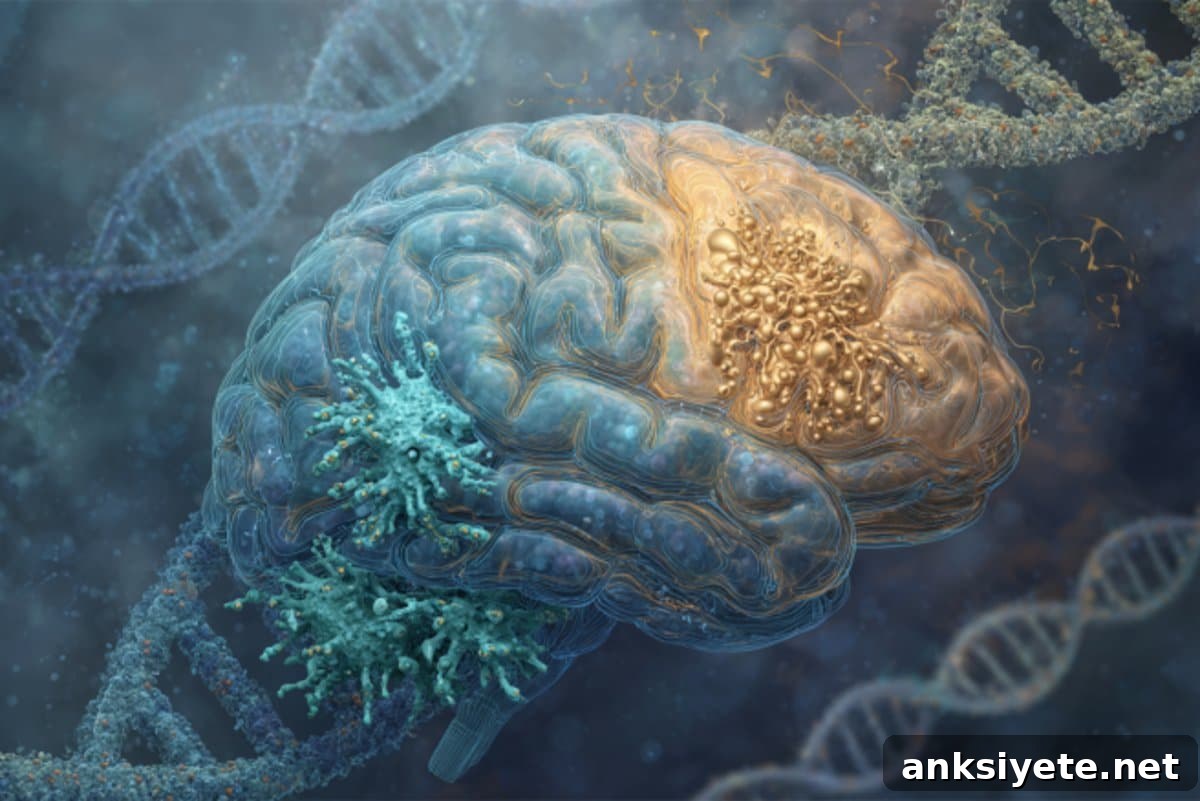
“This is the first time we’ve been able to identify what specific brain cell types are affected in depression by mapping gene activity together with mechanisms that regulate the DNA code,” said senior author Dr. Gustavo Turecki, a professor at McGill, clinician-scientist at the Douglas Institute and Canada Research Chair in Major Depressive Disorder and Suicide. “It gives us a much clearer picture of where disruptions are happening, and which cells are involved.”
Rare brain bank enables breakthrough
The investigators analyzed post-mortem brain tissue from the Douglas-Bell Canada Brain Bank, one of the limited biobanks that includes donations from people who had psychiatric conditions. Using single-cell genomic methods, they profiled both gene expression (RNA) and chromatin accessibility (DNA regulatory activity) across thousands of individual nuclei. This approach identifies which genes are active in each cell and which genomic regions are available for regulation by transcription factors.
Samples came from 84 individuals in total, including 59 people with a diagnosis of depression and 41 neurotypical controls, and the combined dataset encompassed over 200,000 single-cell profiles from the dorsolateral prefrontal cortex. Comparing gene expression and chromatin accessibility between groups revealed cell-type–specific changes associated with major depressive disorder.
The principal findings pointed to altered chromatin accessibility and gene expression in deep-layer excitatory neurons characterized by activity-dependent transcription factor binding, including motifs involving NR4A2, which is responsive to stress. Those same excitatory neurons were enriched for genetic variants associated with depression, and several variants appeared to disrupt transcription factor binding sites linked to genes affecting synaptic communication. In parallel, a population of gray matter microglia displayed decreased chromatin accessibility at sites bound by transcription factors that regulate immune homeostasis, consistent with altered inflammatory regulation in depression.
Collectively, these results connect genetic risk variants to changes in gene regulation and expression within defined cell types, offering a mechanistic bridge from genome to cellular dysfunction in depression. By identifying the specific cells and regulatory elements involved, the study refines hypotheses about disease biology and highlights targets for functional validation and therapeutic exploration.
“This research reinforces what neuroscience has been telling us for years,” Turecki added. “Depression isn’t just emotional; it reflects real, measurable changes in the brain.” The team plans to follow up by investigating how these molecular and cellular alterations influence circuit function and behavior, and whether interventions that modulate these cell populations or their regulatory pathways could improve treatment outcomes.
About the study
Funding: The research was supported by the Canadian Institutes of Health Research, Brain Canada Foundation, Fonds de recherche du Québec – Santé and the Healthy Brains, Healthy Lives initiative at McGill University.
About this neuroscience and depression research news
Author: Keila DePape
Source: McGill University
Contact: Keila DePape – McGill University
Image credit: Neuroscience News
Original research: Closed access. “Single-nucleus chromatin accessibility profiling identifies cell types and functional variants contributing to major depression” by Anjali Chawla and Gustavo Turecki et al., Nature Genetics.
Abstract
Single-nucleus chromatin accessibility profiling identifies cell types and functional variants contributing to major depression
Genetic variants associated with major depressive disorder (MDD) are enriched in the regulatory genome. This study integrates single-cell chromatin accessibility and gene expression data from more than 200,000 nuclei isolated from the dorsolateral prefrontal cortex of 84 individuals to investigate gene-regulatory mechanisms underlying MDD compared to neurotypical controls.
Alterations in chromatin accessibility associated with MDD were most pronounced in deep-layer excitatory neurons, where transcription factor motif accessibility implicated activity-dependent TFs including NR4A2. Those neurons were also enriched for MDD-associated genetic variants that disrupt transcription factor binding sites linked to genes likely affecting synaptic communication. Additionally, a gray matter microglia cluster exhibited decreased accessibility at binding sites for transcription factors known to regulate immune homeostasis.
Using sequence-based accessibility predictions, donor-specific genotypes and cell-based assays, the authors identified gene-regulatory consequences of MDD-risk variants. These findings illuminate the cell types and regulatory mechanisms through which genetic variation may increase risk for major depressive disorder and point to specific cellular processes for future functional study and therapeutic targeting.