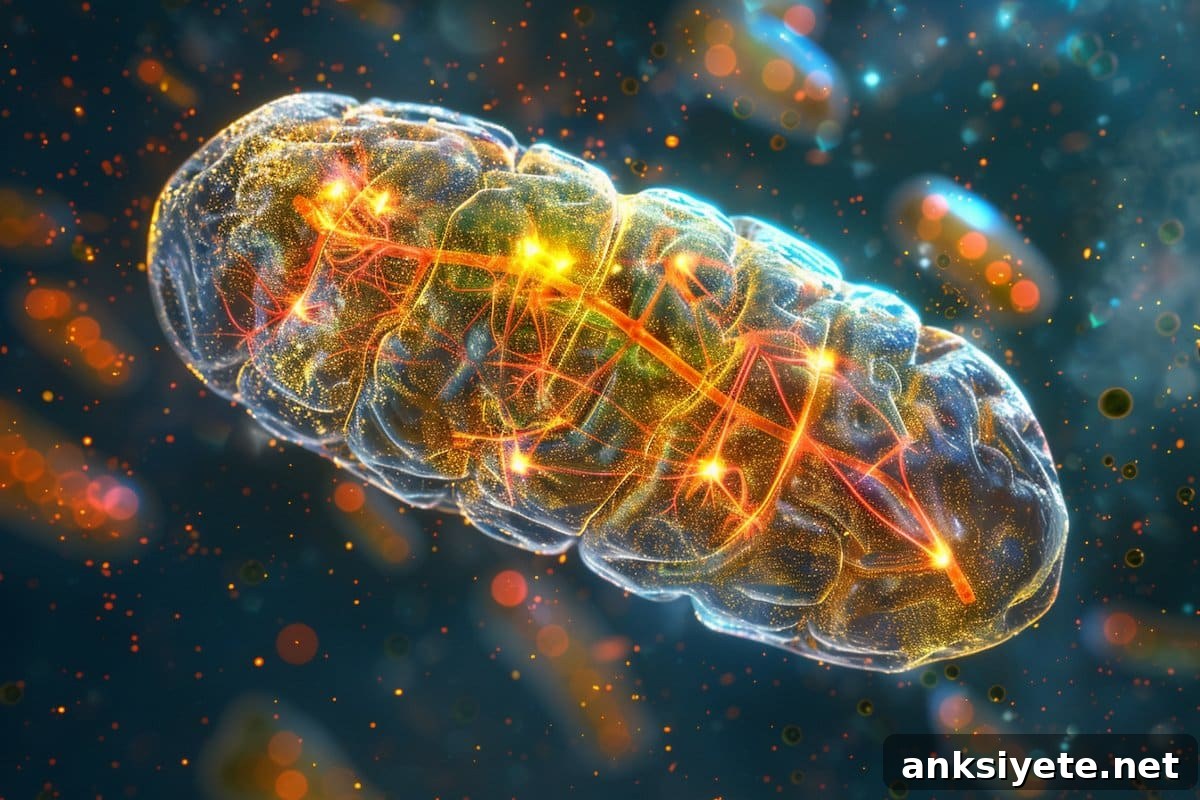
Summary: Researchers have uncovered a crucial role for mitochondrial fusion during the maturation of adult-born neurons, showing that dynamic changes in mitochondrial shape and behavior are essential for these neurons to form and refine synaptic connections. This mitochondrial remodeling supports the heightened synaptic plasticity that adult-born neurons display during a critical period in the hippocampus.
The findings link altered hippocampal neurogenesis and disrupted mitochondrial dynamics to neurological conditions, suggesting new directions for therapies that target mitochondrial fusion to support brain repair and cognitive recovery in diseases such as Alzheimer’s and Parkinson’s.
Key Facts:
- Mitochondrial fusion in dendrites of newly generated neurons is required for synaptic plasticity rather than merely for cell survival.
- Adult neurogenesis occurs in the hippocampus and influences cognition and emotional behavior; its dysregulation is associated with neurodegenerative and mood disorders.
- Modulating mitochondrial fusion represents a potential strategy to restore or enhance neuronal plasticity and circuit function in disease.
Source: University of Cologne
Neurons are among the most structurally and functionally complex cells in the body. During development they elaborate extensive dendritic and axonal arbors and form thousands of synapses to build neural circuits.
Most neurons are generated during embryonic development, but a few brain regions continue to produce new neurons throughout adulthood. How these adult-born neurons mature and successfully integrate into an already established network has been a long-standing question with important implications for brain repair and cognitive resilience.
A research team led by Professor Matteo Bergami at the University of Cologne’s CECAD Cluster of Excellence in Aging Research studied this question in mice using live imaging, viral tracing and electrophysiology to follow how mitochondria change as neurons mature.
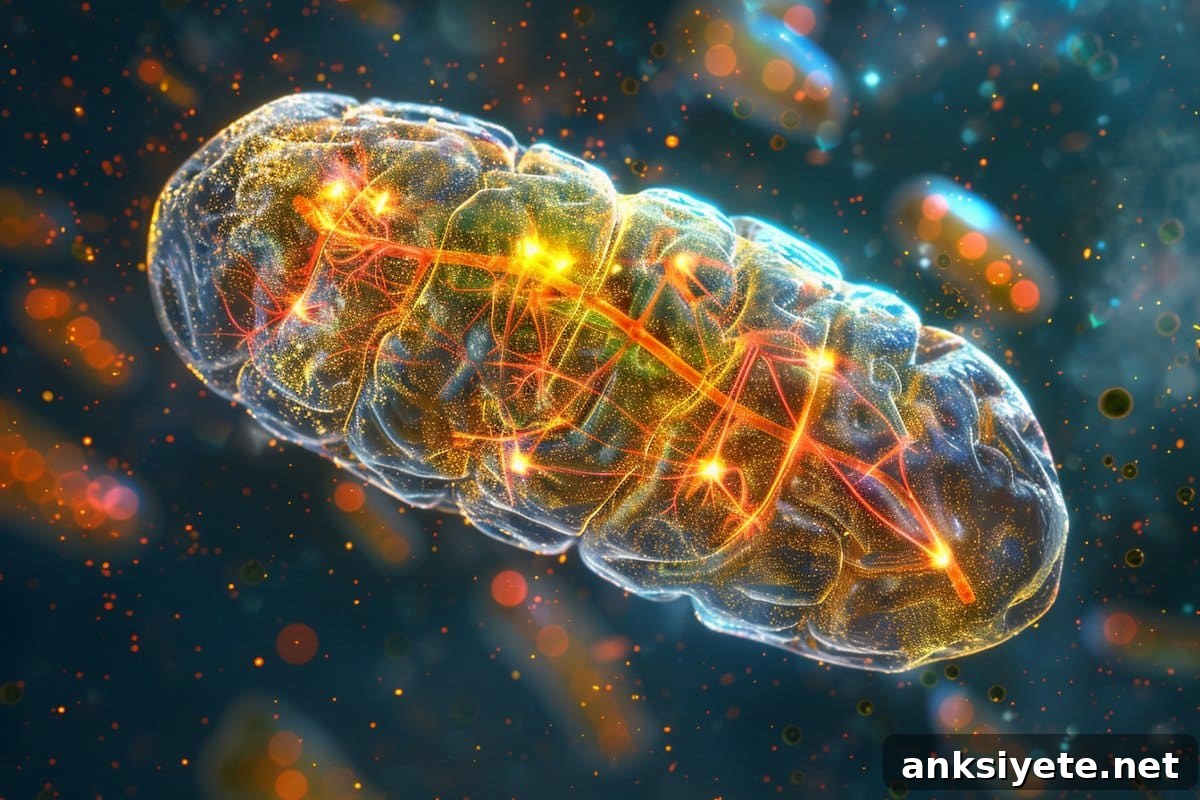
They observed that during maturation, mitochondria within dendrites of adult-born neurons undergo a transient increase in fusion events, producing more elongated organelles. This shift toward elongated mitochondrial morphologies is essential to sustain the synaptic plasticity of new spines and to permit experience-dependent refinement of circuits.
The work is reported in the paper “Enhanced mitochondrial fusion during a critical period of synaptic plasticity in adult-born neurons,” published in Neuron.
Mitochondrial fusion gives adult-born neurons a competitive edge
Adult neurogenesis in the hippocampus contributes to cognition and emotional regulation, and changes in the rate or quality of new neuron production have been associated with neurodegenerative illnesses and depressive disorders. New neurons integrate slowly over weeks to months, passing through a critical period during which their synapses are especially plastic and able to influence circuit remodeling.
Bergami and colleagues found that the timing and degree of mitochondrial fusion in dendrites specifically regulate synaptic plasticity during this critical period rather than determining the basic maturation program of the neuron.
“We were surprised to find that many aspects of neuronal development proceed almost normally even without mitochondrial fusion,” said Bergami. “However, survival of those neurons fell sharply under competitive, circuit-level conditions, and we saw no obvious degenerative changes. This indicates that fusion helps regulate synaptic competition—part of the selection process new neurons undergo as they join the network.”
The results extend current understanding of mitochondrial dysfunction in human neurological disease by showing that fusion has a nuanced role in enabling synaptic function and experience-dependent rewiring. Disruption of these dynamics could contribute to the synaptic deficits observed in disorders such as Alzheimer’s and Parkinson’s disease.
Beyond revealing a fundamental mechanism of neuronal plasticity in healthy brains, the study points toward potential interventions that modulate mitochondrial dynamics to restore circuit plasticity and cognitive abilities in disease contexts.
About this neurogenesis and neuroplasticity research news
Author: Anna Euteneuer
Source: University of Cologne
Contact: Anna Euteneuer – University of Cologne
Image: The image is credited to Neuroscience News
Original Research: Open access.
“Enhanced mitochondrial fusion during a critical period of synaptic plasticity in adult-born neurons” by Matteo Bergami et al. Neuron
Abstract
Enhanced mitochondrial fusion during a critical period of synaptic plasticity in adult-born neurons
Highlights
- A transient rise in mitochondrial fusion stabilizes elongated dendritic mitochondria in newly generated neurons.
- New neurons lacking fusion factors such as Mfn1 or Mfn2 show impaired synaptic plasticity.
- Mitochondrial fusion influences the competitive dynamics among new neurons during circuit integration.
- Experience-driven connectivity and circuit remodeling are reduced when fusion is disrupted.
Summary
Integration of adult-born neurons into hippocampal circuits depends on coordinated local and long-range synaptic input. To become stable contributors to hippocampal function, immature neurons pass through a window of elevated synaptic plasticity, but the mechanisms that support this heightened responsiveness have been unclear.
This study shows that as neurons enter their critical period, a transient surge in mitochondrial fusion promotes elongated mitochondrial morphology in dendrites, supplying the metabolic and signaling support required for spine plasticity and potentiation.
When fusion dynamics are selectively blocked, mitochondrial elongation is prevented and spine plasticity and synaptic potentiation are impaired. These changes disrupt neuronal competition for stable circuit integration and ultimately reduce survival of the affected neurons.
Even when overall survival can be partly restored by manipulating competitive dynamics, neurons that lack fusion remain poorly responsive to experience-dependent circuit modulation. Therefore, mitochondrial fusion is a key facilitator of synaptic plasticity during the critical period, enabling adult-born neurons to drive circuit remodeling and contribute to hippocampal function.