Self Reflection Increases Brain Activity in Depression
featured 12224

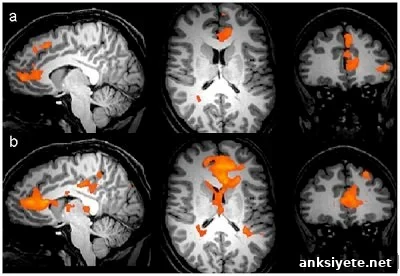
Self-Reflection Triggers Increased Brain Activity During Depressive Episodes New research from the University of Liverpool shows that people going through major depressive episodes display heightened brain activity when they think about themselves. Using functional magnetic resonance imaging (fMRI), the study found that individuals in a depressive episode process self-relevant information in the brain differently than … Read more

Microbiota Transplants May Slow Early-Stage ALS

featured 92578

Summary: Fecal microbiota transplantation from healthy donors may slow progression in early-stage amyotrophic lateral sclerosis (ALS) by reshaping the gut microbiome and reducing inflammatory responses that contribute to neurodegeneration. Source: European Society of Clinical Microbiology and Infectious Diseases A randomized clinical trial is testing whether fecal microbiota transplantation (FMT) from healthy donors can alter immune … Read more

How Fasting Triggers a Genetic Switch to Curb Inflammation

featured 31362

Fasting-Activated Brain Pathway Strengthens Gut Barrier and Limits Inflammation Summary: Researchers identify a brain-to-gut molecular pathway activated during fasting that helps prevent intestinal bacteria from leaking into the bloodstream and triggering inflammation. Source: Salk Institute Researchers at the Salk Institute report that a molecular pathway switched on in the brain during fasting helps reinforce the … Read more

How New Brain Cell Growth Influences Alzheimer’s Disease

featured 59237

Summary: New research suggests microglia—immune cells in the brain—can disrupt the formation of new neurons in familial Alzheimer’s disease. In mice carrying Alzheimer’s-linked presenilin mutations, eliminating microglia restored normal neurogenesis and reversed anxiety-like and memory impairments. Source: University of Chicago Overview Most Alzheimer’s disease research concentrates on amyloid beta (Aβ), the protein that accumulates as … Read more

Gene Linked to Brain Aging Identified

featured 39439

Common Genetic Variant Found to Accelerate Normal Brain Aging by Up to 12 Years Summary: Researchers have identified a common genetic variant that can accelerate normal brain aging in older adults by as much as 12 years. Source: Columbia University Medical Center Key finding Researchers at Columbia University Medical Center (CUMC) report the discovery of … Read more

Could a Natural Mineral Reverse Memory Loss?

featured 80554

Summary: Research from the University of Queensland indicates that selenium, a dietary trace mineral found in foods like grains, meat and nuts, can restore learning and memory after hippocampal injury and improve neurogenesis and cognition in aging brains. Source: University of Queensland Key finding: Selenium — a naturally occurring mineral present in many common foods … Read more

Stem Cell Combination Therapy Boosts Recovery After TBI

featured 13942

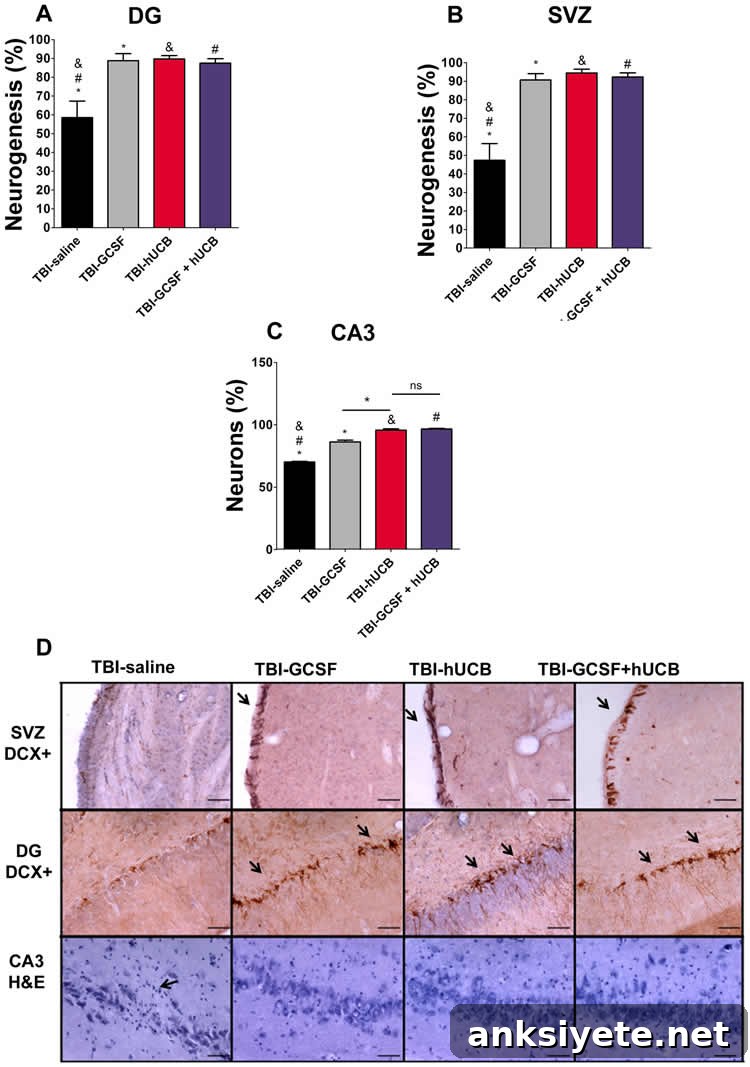
Umbilical cord blood cells combined with a growth factor show promise in animal models of chronic traumatic brain injury Traumatic brain injury (TBI) affects nearly two million Americans each year, including many military service members and veterans, and can cause long-term motor, cognitive, behavioral and intellectual impairments. Effective clinical treatments remain limited, and long-term recovery … Read more

Mouse Brains Keep Positive and Negative Memories Separate

featured 35167

Summary: A new study maps how positive and negative memories for smells, tastes and experiences are organized in distinct subregions of the amygdala in mice. Source: RIKEN. Researchers report that pleasant and unpleasant memories are stored in separate parts of the basolateral amygdala (BLA). Pleasant experiences—such as rewarding tastes and scents—are represented primarily in the … Read more

High or Low Blood Magnesium Levels Linked to Dementia Risk

featured 43578

Both High and Low Blood Magnesium Levels Linked to Increased Dementia Risk Summary: A large population study published in Neurology finds that people with either relatively high or relatively low blood magnesium levels have a higher risk of developing dementia compared with those whose magnesium levels fall in the middle range. Source: AAN. Study overview … Read more

Study Finds Blood Iron Levels May Slow Aging

featured 66378

Summary: Elevated iron levels in the blood appear to accelerate biological aging. Monitoring and managing iron levels may help reduce age-related health decline and lower the risk of neurodegenerative disease. Source: University of Edinburgh Researchers have identified genetic regions associated with aging that may help explain why people age at different rates. An international team … Read more