Why Your Brain Daydreams When You’re Awake

featured 116656

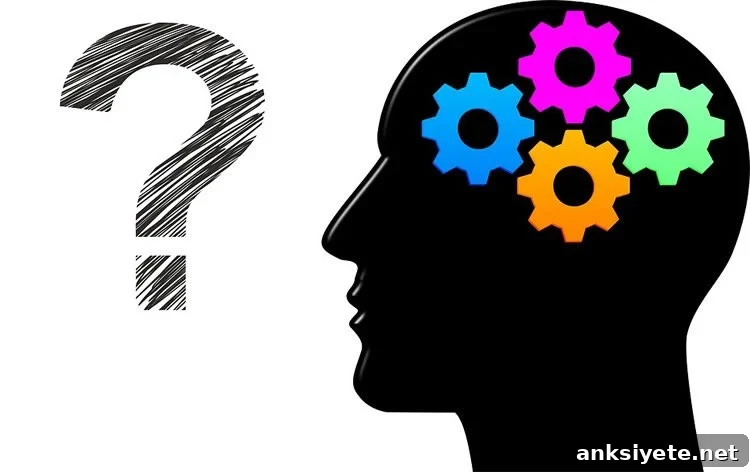
Summary: New research from the Paris Brain Institute shows that the line between wakefulness and sleep is much thinner than we thought. Studying 92 habitual nappers as they drifted into sleep, researchers found that dream-like mental states can occur while people are fully awake, during sleep onset, and in light sleep. The study identifies four … Read more

How the Brain Solves Math: Inside Neural Activity

featured 33040

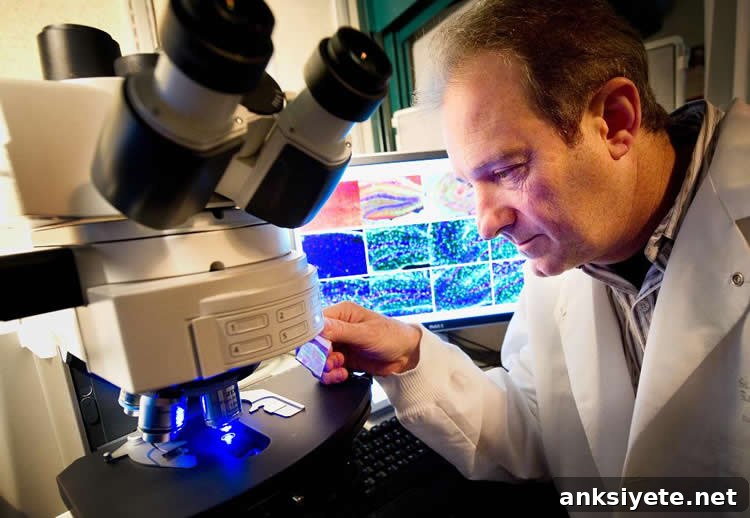
Brain Activity Patterns Reveal Four Distinct Stages of Mathematical Thinking Summary: A recent Carnegie Mellon University neuroimaging study used fMRI and advanced analysis methods to identify distinct stages of cognition during mathematical problem solving, with potential applications for improving math instruction and adaptive learning technologies. Source: Carnegie Mellon University Overview Researchers at Carnegie Mellon University … Read more

People’s Heart Rates Synchronize While Listening to Stories

featured 77397

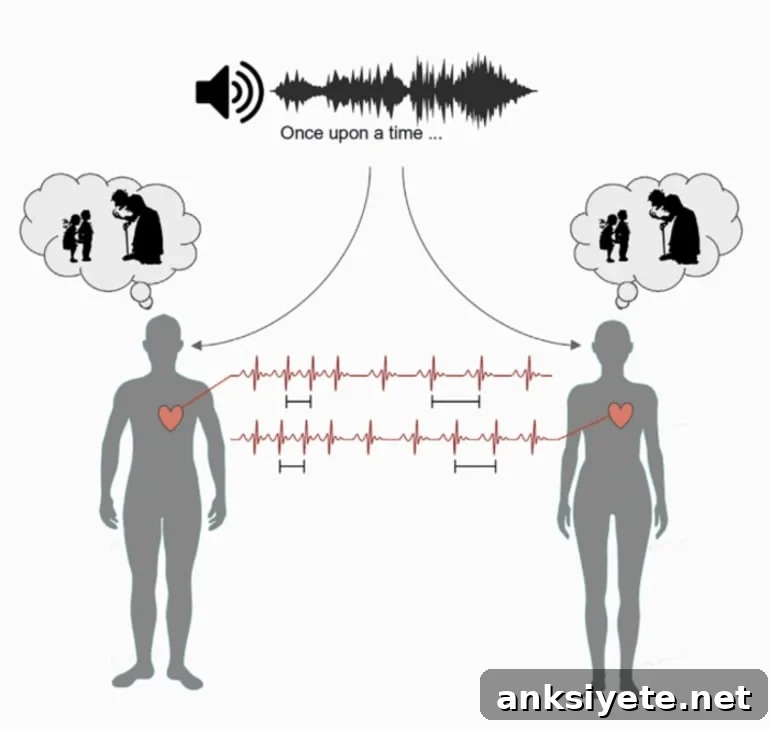
Summary: Listening attentively to the same narrative causes people’s heart rates to fluctuate in sync, even when they are alone; this alignment depends on attention to the story. Source: Cell Press New research shows that heart rate synchronization can occur across individuals who are not physically together, simply by processing the same story. The effect … Read more

Immunotherapy for Recurrent Glioblastoma: Promising Results

featured 54163

Neoadjuvant Pembrolizumab Improves Survival in Recurrent Glioblastoma Summary: A UCLA-led clinical trial shows that giving an anti-PD-1 immunotherapy drug before surgery produces a stronger benefit than administering the same therapy after surgery for people with recurrent glioblastoma. Source: UCLA Key finding: A randomized, multi-center pilot study found that pembrolizumab (an anti-PD-1 immune checkpoint inhibitor) given … Read more

Dementia Prevention: Why One in Three Cases Could Be Avoided

featured 42256

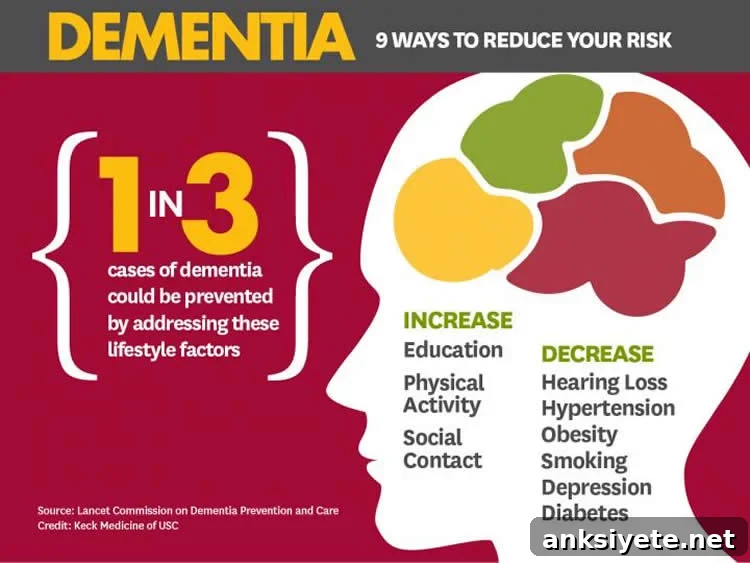
The First Lancet Commission on Dementia Prevention and Care: How One in Three Cases May Be Preventable Summary: An international commission has identified nine modifiable risk factors across the life course that increase the likelihood of dementia. Researchers estimate these factors account for roughly 35% of dementia cases worldwide. By reducing these risks and strengthening … Read more

Childhood Neurodegenerative Diseases Linked to DNA Repair Defect

featured 14717

St. Jude researchers identify a new source of DNA damage linked to neurodegeneration, cancer and aging Researchers at St. Jude Children’s Research Hospital have discovered a previously unrecognized source of DNA damage that appears in the developing brain and may contribute to a range of health problems, including neurodegenerative disease, cancer and age-related decline. The … Read more

Moms with Multiple Kids Have More Fragmented Sleep Than Dads

featured 70527

Summary: Mothers with more than one child report more fragmented sleep than mothers of a single child. Fathers’ sleep quality and quantity do not appear to vary with the number of children. Source: McGill University New research from McGill University finds experienced mothers—those with more than one child—perceive their sleep as more fragmented and of … Read more

Neurobehavioral Markers Predict Mania Risk in Bipolar Disorder

featured 95394

Summary: A new study identifies a neurobehavioral signature that predicts increased risk for future mania and hypomania in people on the bipolar spectrum. Researchers combined measures of reward sensitivity, impulsivity, brain reward circuitry activity, and sleep–circadian behavior to define three distinct risk profiles—healthy, moderate risk, and high risk—and found that the moderate- and high-risk groups … Read more

How Learning and Exercise Preserve Cognitive Function

featured 29120

Want a younger brain? Stay in school and take the stairs. Climbing stairs is widely recommended for physical fitness, but new research shows it can benefit the brain as well. The same study also highlights the lasting advantage of education: more years in school and more daily stair climbing both correlate with a brain that … Read more

Why High-Stakes Decisions Lead to More Cheating and Less Charity

featured 51959

Summary: Researchers found that when people face high-stakes decisions, they may lose sight of their personal morals—leading to more cheating and reduced charitable behavior afterward. Source: University of Exeter. New research suggests the familiar idea that “virtue is its own reward” does not always hold in professional settings. Acts of integrity can sometimes lead to … Read more