Why Do Neurons Respond Selectively to Words, Faces, and Objects?
featured 13546

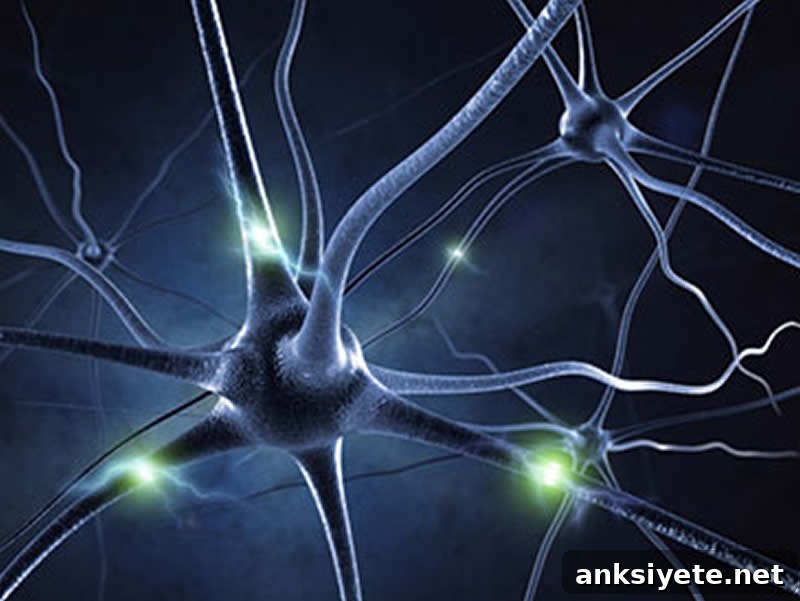
Some neurons in the human brain respond with striking specificity to particular words, objects or faces — a phenomenon often referred to as “grandmother cells.” For instance, researchers have identified individual neurons that activate selectively when a person sees images of a specific celebrity, such as Jennifer Aniston, while remaining largely unresponsive to other people, … Read more
Does Brain Size Predict Intelligence and Cognitive Ability?

featured 34895

Summary: USC-led researchers identified seven genes linked to intracranial volume and to Parkinson’s disease risk. Source: USC. USC researchers lead international team that finds seven genes predicting intracranial volume and Parkinson’s disease In the largest MRI-based study of brain size to date, an international team led by researchers at the University of Southern California identified … Read more

AI Links Brain Anatomy Differences to Autism Symptoms

featured 83351

Summary: Different behavioral features of autism spectrum disorder (ASD) map to distinct neuroanatomical differences. Using artificial intelligence on MRI data, researchers identified individualized brain variations linked to ASD symptoms. Source: Boston College Boston College neuroscientists report that variability in behavior among people with autism spectrum disorder (ASD) corresponds closely to differences in brain anatomy. Their … Read more

How the Brain Lets Go: The Science Behind Forgetting

featured 91884

Summary: New research clarifies how the brain removes information from working memory and shows that intentional forgetting is an effortful process. Source: Cognitive Neuroscience Society Forgetting is often harder than it seems. Anyone who has struggled to stop an earworm, or who repeatedly checks whether they locked the door, knows how distracting an unwanted thought … Read more

Removing Alzheimer-Related Protein Preserves Memory and Learning

featured 34829

Summary: Researchers report that mice can retain memory and learning ability when almost all apolipoprotein E (ApoE) is removed from the brain while ApoE remains in the liver to regulate blood cholesterol. Source: UT Southwestern ApoE Can Be Reduced in the Brain Without Impairing Memory in Mice New research from the Peter O’Donnell Jr. Brain … Read more

How the Brain Reacts to Sudden Sounds Signaling Hidden Danger

featured 65123

Summary: This study reveals how a specific neural circuit allows prey animals to use the sounds—or the sudden absence of sound—produced by other animals to detect danger and produce defensive behavior. Source: PLOS Overview: Researchers have identified a previously uncharacterized neural circuit that enables rats to interpret silence as a danger cue and to mount … Read more

How Stress Amplifies Fear of Past Threats

featured 42690

Summary: New research shows that when older memories are reactivated under stress, people are more likely to misinterpret safe situations as dangerous. Source: UT Austin Recognizing threats is a core function of the human mind, shaped in part by past negative experiences. However, when older memories are reactivated in the presence of stress, people can … Read more

New Study Links Gut Microbiome to Key Metabolites

featured 86585

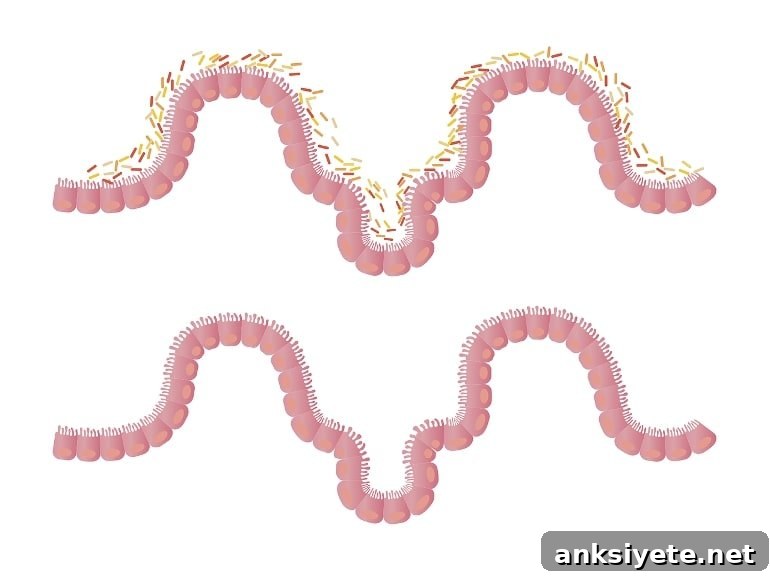
Summary: Large-scale study finds strong associations between specific gut bacteria and concentrations of small molecules in human blood (plasma metabolites). Source: Uppsala University and Lund University Researchers from Uppsala University and Lund University report robust links between gut microbial composition and the circulating small molecules known as plasma metabolites. Their findings, published in Nature Communications, … Read more

How Emotional Touch Shapes Long-Term Memory

featured 116475

Summary: Why does the warmth of a comforting hug linger in memory for years, while the feel of a handshake evaporates almost immediately? A new paper introduces the first comprehensive neurobiological model of affective tactile memory to explain how emotionally meaningful touch is encoded, stored, and recalled. The authors propose that meaningful touch is preserved … Read more

Even Low Levels of Air Pollution Alter Gene Expression

featured 63960

Summary: A decade-long study found that even low-level air pollution can alter gene expression linked to long-term disease risk, including cancer and cardiovascular and respiratory conditions. Source: Monash University New findings from researchers at Monash University raise important concerns: brief or low-level exposure to air pollution can change gene expression in ways associated with chronic … Read more