Hunger vs. Pleasure Eating: Different Brain Circuits Explained

featured 76104

Summary: Serotonin-producing neurons in the midbrain control both hunger-driven and pleasure-driven eating, but the circuits that govern each type of feeding are distinct and operate independently. Source: Baylor College of Medicine We often eat for reasons other than physical hunger—because food tastes good, because of social situations, or simply out of habit—even when we are … Read more
Stopping Neuron Loss to Treat Alzheimer’s and Parkinson’s

featured 14849

Computers are among this century’s most valuable possessions. They connect people to information, and that connection depends on a fast, reliable Internet and sufficient bandwidth. Bandwidth determines how much data can be transmitted over a given time; when signal strength or throughput is low, performance suffers. In a similar way, the human brain processes information … Read more

Why Online Hate Speech Mirrors Mental Health Disorder Language

featured 111999

Key Questions Answered Q: What did this study find about hate speech and psychiatric disorders?A: The study found that posts in online hate speech communities share notable speech-pattern similarities with posts in online communities for certain personality disorders, especially Cluster B disorders such as borderline, narcissistic, and antisocial personality disorder. Q: Does this mean people … Read more

Study Links Unresponsive Honey Bees to Human Autism

featured 42501

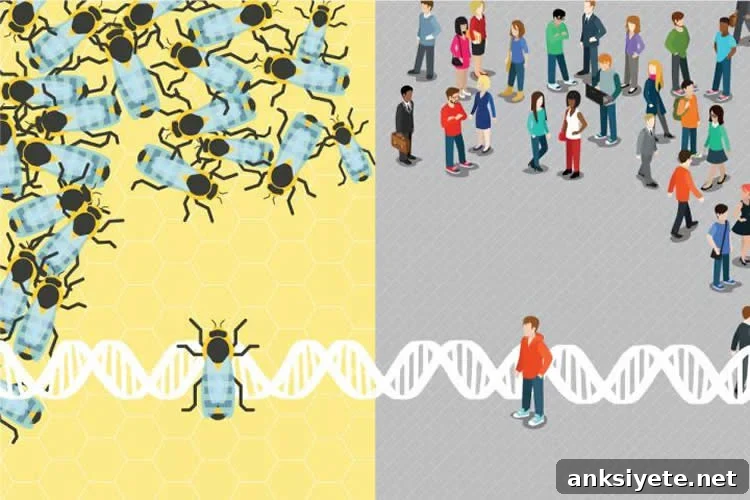
Summary: A University of Illinois study finds that honey bees that are consistently unresponsive to social cues show differences in brain gene regulation that parallel genes associated with autism spectrum disorder in humans. The research offers new insight into shared genetic pathways that may influence social behavior across species. Source: University of Illinois Honey bees … Read more

Supplement Could Prevent and Reverse Age-Related Brain Damage

featured 31795

Summary: Researchers report that a complex dietary supplement appears to have anti‑aging effects that can prevent and even reverse substantial brain cell loss in a mouse model. Source: McMaster University. Researchers at McMaster University report that a multi‑ingredient dietary supplement composed of thirty vitamins, minerals and natural nutraceuticals—many of them commonly found in health food … Read more

Why Music May Not Boost Focus or Mood During Workouts

featured 115038

Summary: Many people believe that listening to music while exercising sharpens focus, lifts mood, and boosts mental performance. A recent systematic review and meta-analysis from the University of Jyväskylä challenges that assumption: the benefits are not universal and depend heavily on context. After reviewing ten experimental studies, the researchers found no consistent evidence that music … Read more

Autistic Men Show Higher Social Brain Excitability Than Women

featured 66889

Summary: Researchers report that autistic males show unusually increased neural excitation in the medial prefrontal cortex (mPFC), a region linked to social cognition and self-reflection. Autistic females displayed a more typical mPFC response, which corresponded with a greater ability to mask or “camouflage” social difficulties in everyday interactions. Source: eLife New findings on sex differences … Read more

Prenatal Discrimination Alters Infant Brain Connectivity

featured 98547

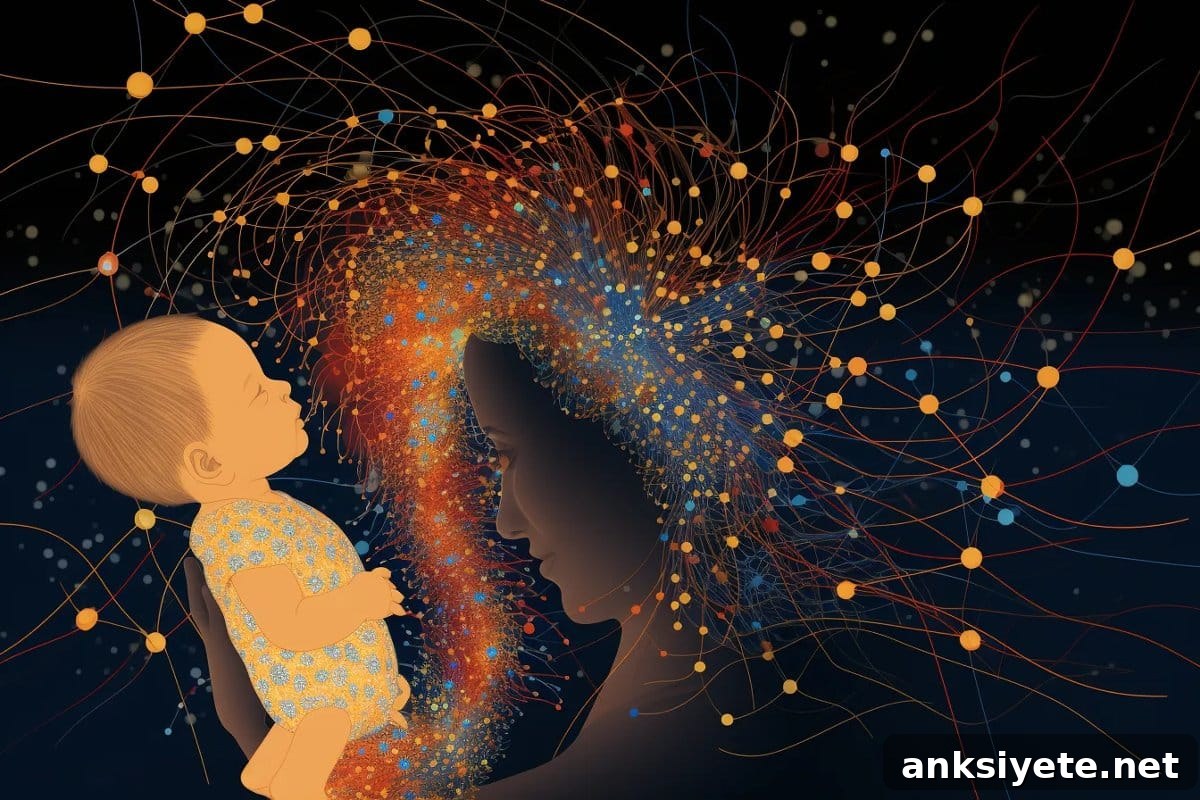
Summary: A new study from Yale and Columbia shows that pregnant people’s experiences of discrimination and acculturation are linked to distinct differences in their infants’ brain connectivity. These associations appear separate from the effects of general stress or depression. Researchers used magnetic resonance imaging (MRI) to examine resting-state brain connectivity in 38 newborns and combined … Read more

Study Finds No Link Between Testosterone and Cognitive Empathy

featured 59313

Large randomized trials find no clear link between testosterone and cognitive empathy Summary: New randomized controlled trials challenge the idea that testosterone levels reduce cognitive empathy, a trait often impaired in autism. Source: University of Pennsylvania Background: Autism is diagnosed more frequently in males than in females, and scientists have long investigated biological explanations for … Read more

How Your Brain Turns Altruism into Gratitude

featured 48552

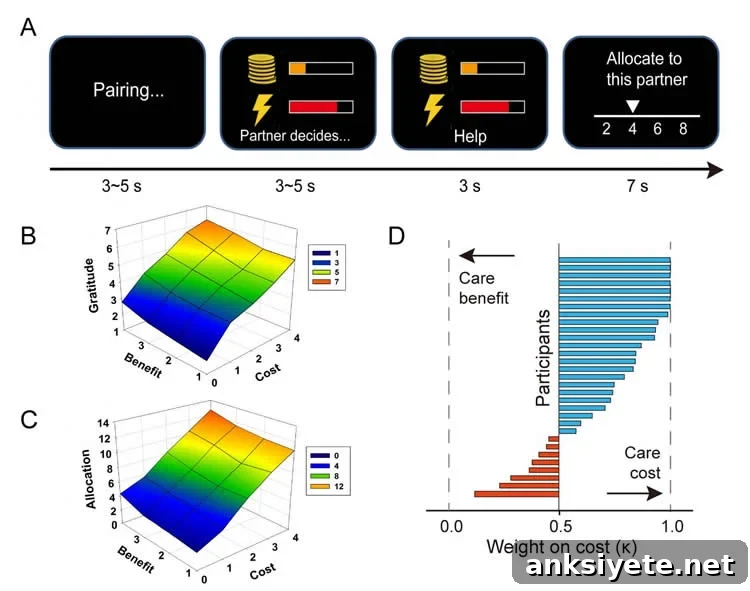
Summary: New research finds that feelings of gratitude after an altruistic act are formed when social information about benefactor cost and beneficiary benefit is integrated in the perigenual anterior cingulate cortex (pgACC). Source: SfN. A neural network linked to gratitude has been identified in a new fMRI study published in the Journal of Neuroscience. The … Read more