Early Postnatal Overnutrition Linked to Faster Aging

featured 59093

Summary: Islets of Langerhans from mice overnourished during infancy displayed DNA methylation patterns normally seen in much older animals. Source: Baylor College of Medicine Researchers at Baylor College of Medicine report a mechanism that helps explain how overnutrition in early life can cause long-term metabolic problems such as diabetes. Published in the journal Environmental Epigenetics, … Read more

New AI Imaging System Accurately Detects Brain Tumors

featured 61295

Summary: A new artificial intelligence convolutional neural network achieves 94.6% accuracy for near real‑time intraoperative diagnosis of brain tumors. Source: NYU Langone Health A new technique that combines advanced optical imaging with a deep learning algorithm enables accurate, near real‑time intraoperative diagnosis of brain tumors, a study finds. Published in Nature Medicine, the study compared … Read more

Octopus Genome Sequenced: 2.8 Billion Bases Revealed

featured 97646

Summary: Researchers have produced a high-quality, chromosome-level reference genome for the common octopus, revealing about 2.8 billion base pairs organized across 30 chromosomes. This achievement comes from extensive, computer-assisted genome assembly and comparative analyses with other cephalopods. This reference sequence opens new avenues for understanding octopus biology, from neural organization and behavior to development and … Read more

Vitamin D Supplements Show Limited Evidence of Health Benefits

featured 32337

Little Evidence for the Benefits of Vitamin D Supplementation for Health Problems Summary: Researchers review and evaluate the scientific evidence behind the ten most common beliefs about vitamin D and its health effects. Source: University of Alberta As Canadians and others head into months with more sunshine, attention often turns to vitamin D—an essential nutrient … Read more

Study Finds Biological Mechanism Triggers Epileptic Seizures

featured 7273

Scientists have found the first direct evidence that a long-suspected biological mechanism can trigger seizures, opening new avenues for treatments and possibly prevention. Researchers at Cincinnati Children’s Hospital Medical Center report that molecular disruption in a specific population of small neurons—granule cells in the dentate gyrus—can produce seizures in mice that resemble human temporal lobe … Read more

Tracking Alzheimer’s Progression Before Dementia Onset

featured 11439

Scientists are gaining new insight into how Alzheimer’s disease affects the brain long before memory loss and dementia become apparent. This preclinical phase can span a decade or more and represents a critical window when the disease might be slowed or halted, potentially preventing later cognitive decline. New findings published in Lancet Neurology report progress … Read more

Legal Cannabis Linked to Lower Harm and Better Mental Health

featured 109658

Summary: The Weed Care study in Switzerland examines how regulated, legal access to cannabis affects patterns of use and mental health among adult consumers. In the first randomized controlled trial of its kind, participants given legal access to cannabis purchased through pharmacies showed a modest decline in problematic use, with the strongest benefit observed among … Read more

Virtual Brain Model Predicts Seizure Origins in Epilepsy

featured 33263

Summary: Scientists have built a personalized virtual brain that can replicate the brain activity of someone with epilepsy. This model improves understanding of the condition and may help clinicians plan treatment and surgery. Source: CNRS. Researchers from CNRS, INSERM, Aix‑Marseille University and AP‑HM have created, for the first time, a personalized virtual brain capable of … Read more

Targeted Electrode Implants Restore Movement After Paralysis

featured 36484

Summary: A small implanted array of electrodes can precisely stimulate peripheral nerves to produce controlled, fatigue-resistant limb movement, offering new hope for people with spinal cord injuries. Source: Oregon State University Tiny implanted electrode arrays that deliver precisely controlled electrical pulses to peripheral nerves may one day help people with spinal cord injuries regain use … Read more

Immune Gene Tied to ADHD, Autism and Hyperactivity in New Study

featured 106410

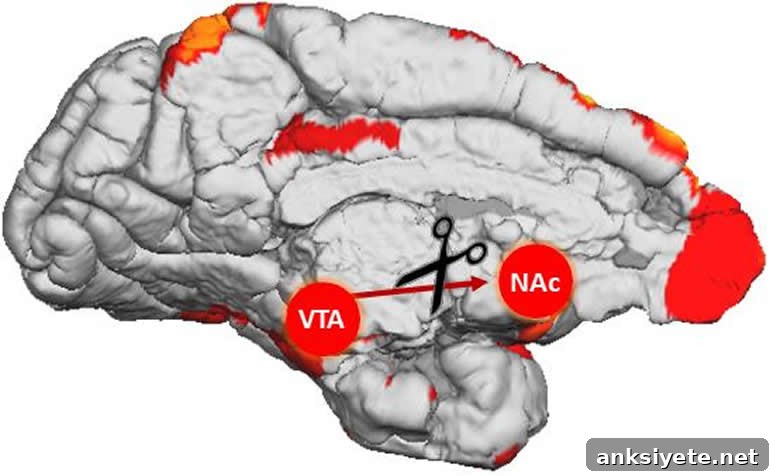
Summary: Researchers have identified a connection between the immune regulator STAT1 and hyperactive behaviors in mice, offering fresh insight into mechanisms that may underlie neurodevelopmental conditions such as autism spectrum disorder (ASD) and attention-deficit/hyperactivity disorder (ADHD). STAT1, a central mediator of interferon-driven immune responses, also affects neuronal function—most notably in dopamine-producing cells that control motivation, … Read more