Spinal Cord Regeneration Linked to Gene Partnerships
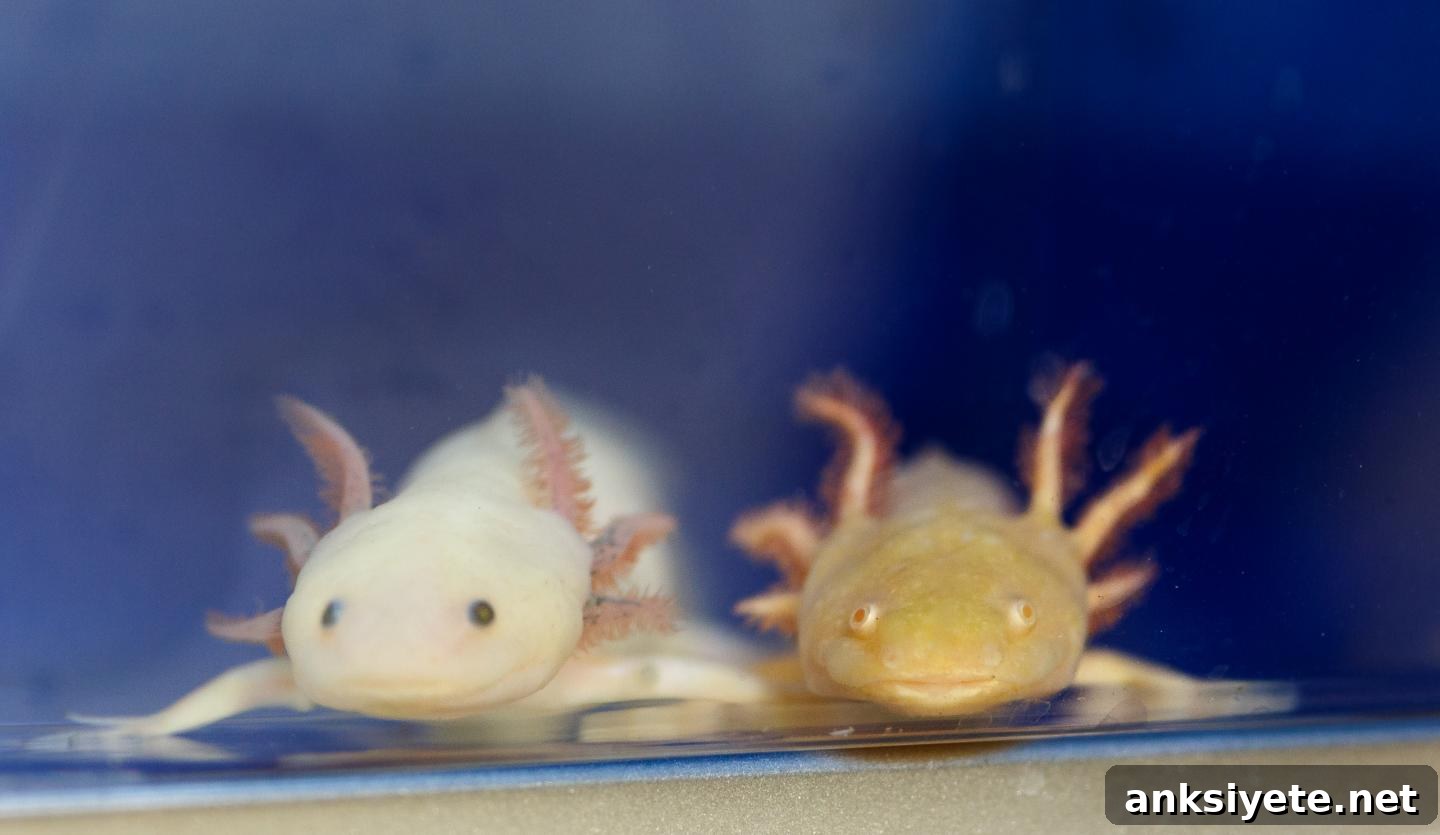
featured 54612

Summary: Researchers have identified gene partnerships in the axolotl that enable the neural tube and nerve fibers to regenerate after severe spinal cord injury. Those same genes exist in humans but are activated differently, which helps explain why humans form scar tissue instead of regenerating. Source: Marine Biological Laboratory Researchers are closing in on why … Read more

Marine Snail Compound Could Replace Opioids

featured 39038

Summary: Researchers have identified a compound from a marine cone snail that blocks pain by acting on a nonopioid pathway, producing long-lasting relief in rodent models. Source: University of Utah. A tiny marine snail may hold the key to a new, nonopioid approach to pain relief. Researchers at the University of Utah report that a … Read more

Jet-Lag Sleep Disruptions Linked to Memory Loss in Alzheimer’s

featured 24902

Results suggest greater emphasis on managing sleep habits for people at risk of Alzheimer’s disease. New research from the University of California, Irvine indicates that chemical changes within brain cells triggered by disruptions to the body’s day-night cycle may play a central role in the learning and memory decline associated with Alzheimer’s disease. The study … Read more

How Scientists Mapped the Brain Circuit Behind Panic Disorder

featured 99236

Summary: Researchers at the Salk Institute have mapped a brain circuit that appears to drive panic disorder, identifying a set of neurons that use the neuropeptide PACAP to transmit stress signals. This discovery points to PACAP and its receptor-bearing neurons as promising targets for new panic disorder therapies. The study found that inhibiting PACAP signaling … Read more

Why People Avoid Compassion When It Feels Too Hard

featured 77041

Summary: When given the choice, people often avoid feeling compassion because they perceive it as mentally effortful. Source: Penn State Compassion helps us connect with others and motivates helping behavior, but a new set of experiments shows many people will choose to avoid feeling compassion when they can. Across several studies, researchers observed that participants … Read more

Seeing Fear in Others Rewires Your Brain

featured 38094

Summary: New research shows that witnessing fear in others can alter brain circuitry, increasing vulnerability to stress-related psychological conditions. Source: Virginia Tech. Virginia Tech Carilion Research Institute scientists find that observing trauma can change brain signaling with implications for PTSD Researchers at the Virginia Tech Carilion Research Institute report that observing fear in others can … Read more

Closed-Loop Sleep Stimulation Boosts Learning and Memory

featured 50785

Summary: Researchers report that applying transcranial alternating current stimulation (tACS) during sleep can accelerate learning, improve memory consolidation, and enhance skill acquisition. Source: HRL Laboratories. HRL Laboratories, in collaboration with the University of New Mexico, published the first study demonstrating that closed-loop transcranial alternating current stimulation (tACS) during sleep improves people’s ability to accurately identify … Read more

Chromosome 19 Reveals How X Chromosomes Stay Active

featured 40024

Chromosome 19 May Harbor a Repressor That Controls X Chromosome Activation Summary: New findings may help explain why slightly more males than females are born worldwide. Source: Johns Hopkins Medicine After nearly four decades of investigation, researchers at Johns Hopkins report evidence pointing to a region on human chromosome 19 that appears to block an … Read more

Why Sleep Quality Matters for Children’s Grades

featured 18976

Study finds link between sleep quality and schoolchildren’s grades in math and language Getting children to bed at a consistent hour is one of the more persistent challenges for many families. New research from McGill University and the Douglas Mental Health University Institute in Montreal shows that prioritizing healthy sleep patterns can pay real academic … Read more

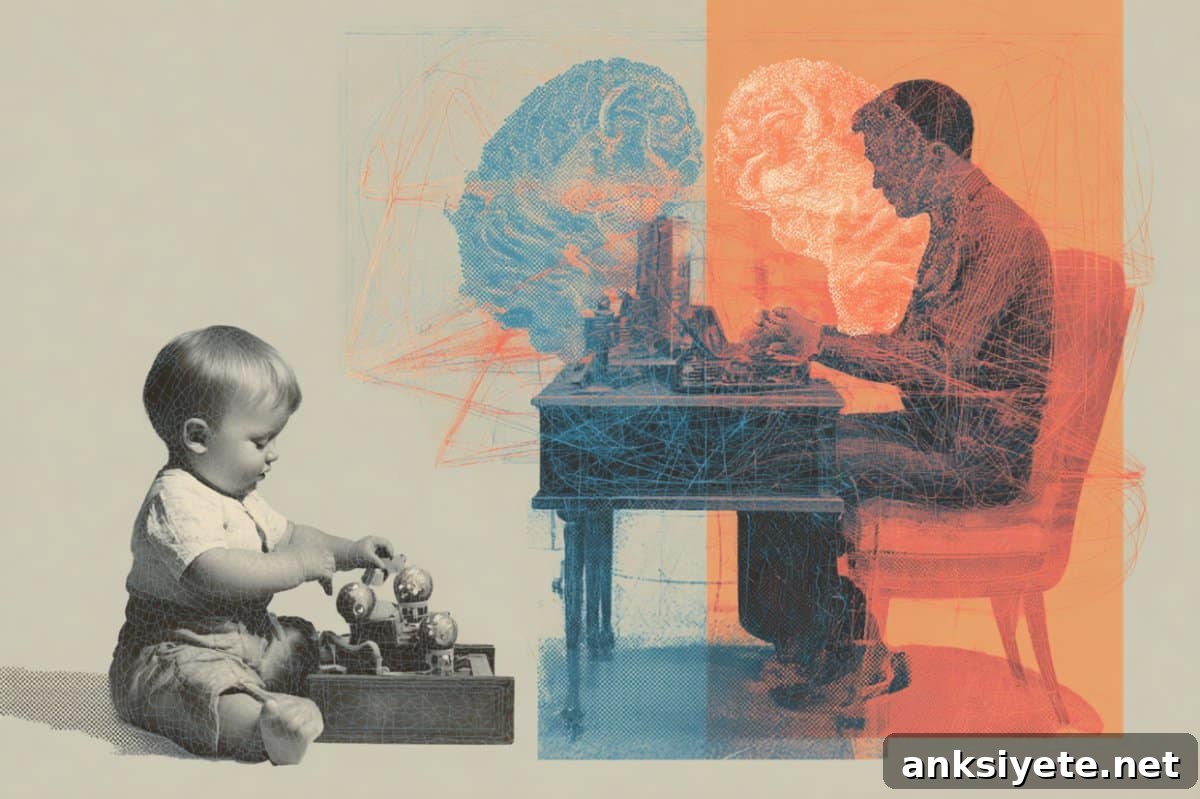
Early Infant Behavior Predicts Later Adult Cognitive Ability

featured 111021

Summary: A new longitudinal study shows that simple cognitive assessments in infancy can modestly predict cognitive ability three decades later. Researchers followed more than 1,000 twins beginning at seven months of age, recording behaviors such as vocalizations, task focus and novelty preference to evaluate early cognitive functioning. By age 30, early infant assessments accounted for … Read more