Novel Probes Quantify Folded vs Misfolded Proteins in Cells
featured 13644

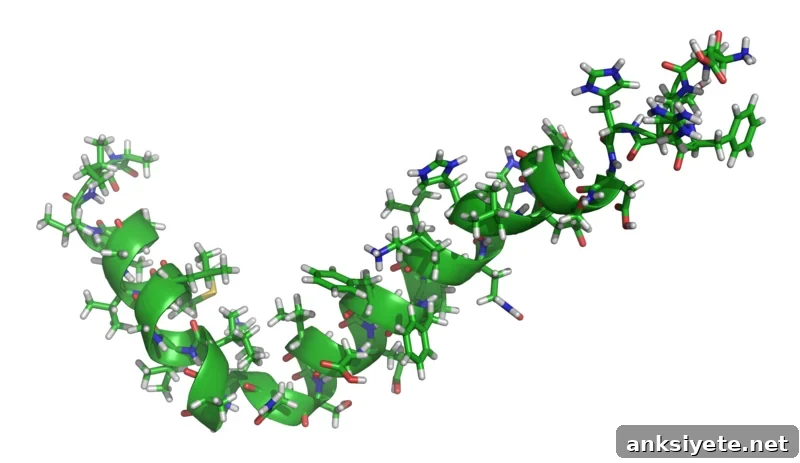
New small-molecule probes enable measurement of folded versus misfolded proteins in cells Researchers at The Scripps Research Institute (TSRI) have developed small-molecule “folding probes” that can selectively label and quantify the fraction of a target protein that is correctly folded and functional versus the misfolded, disease-associated conformations inside cells. This innovation provides a practical way … Read more

Why Robots Feel Creepy: The Neuroscience of the Uncanny Valley

featured 5381

Your Brain on Androids Have you ever felt uneasy walking through a wax museum, watching a lifelike robot, or viewing animated characters that look almost—but not quite—human? That unsettling sensation is commonly known as the “uncanny valley.” Researchers continue to debate why this reaction occurs, and a recent fMRI study led by Ayse Pinar Saygin … Read more

2022 Neuroscience Highlights: 20 Breakthroughs

featured 89254

Summary: 2022 was a landmark year for neuroscience. Below is a curated look back at some of the most-read and impactful neuroscience stories we published, highlighting discoveries that captured readers’ attention worldwide. Source: Neuroscience News For more than two decades, Neuroscience News has covered leading developments in brain science and neuroscience research. Each year we … Read more

How the Brain Processes Math and Spoken Language Simultaneously

featured 76624

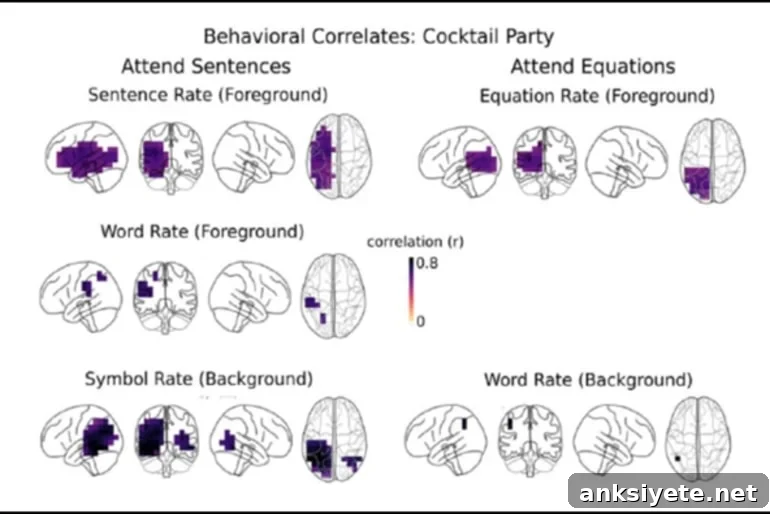
Summary: A new study shows that the brain processes spoken mathematical expressions and ordinary sentences in distinct yet simultaneous networks. These networks separate naturally when listeners focus on either math or language, offering insight into how we comprehend sentences and perform calculations. Source: SfN Separate math and language networks segregate naturally when listeners pay attention … Read more

Midlife Mental Wellbeing Predicts Leisure Time Exercise

featured 55999

Summary: Mental well-being at age 42 strongly predicts how much time people spend on physical activity by age 50, with different kinds of activities linked to distinct aspects of well-being in midlife. Source: University of Jyväskylä Overview Men and women who reported higher levels of mental well-being at age 42 were more likely to be … Read more

Beef Jerky, Processed Meats Linked to Manic Episodes

featured 50506

Summary: A Johns Hopkins Medicine study reports that eating processed, nitrate-cured meats may be linked to manic episodes. People hospitalized for mania were significantly more likely to have eaten cured meats prior to admission, and complementary rat experiments produced mania-like behavior when nitrates were included in the diet. Source: Johns Hopkins Medicine New research suggests … Read more

New Study Links Fructose to Alzheimer’s Progression

featured 90654

Summary: New research suggests that fructose produced in the brain may trigger inflammation and contribute to the development of Alzheimer’s disease. Source: University of Colorado Researchers at the University of Colorado Anschutz Medical Campus propose that an ancient survival mechanism—activated by fructose metabolism—could help explain the origins of Alzheimer’s disease and point to new prevention … Read more

Why Some People Hate Cheese: The Science of Aversion

featured 35245

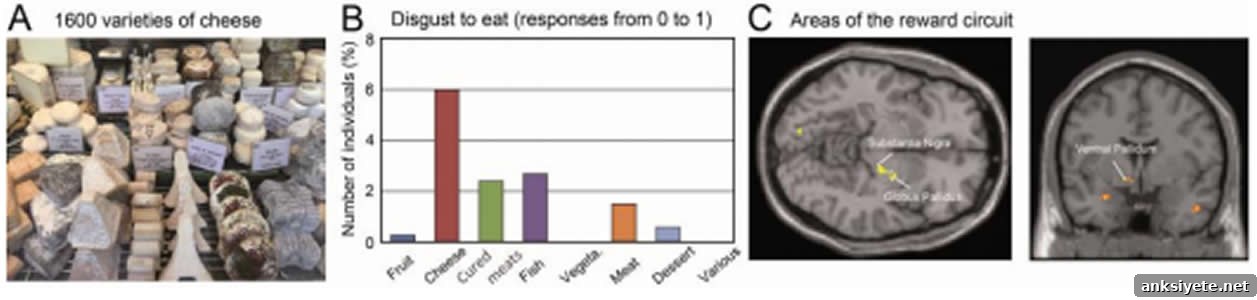
Summary: A recent fMRI study identifies brain regions activated when people encounter foods they find aversive and suggests that parts of the reward system may also encode disgust. Source: CNRS. Why Some People Hate Cheese: New Neuroscience Findings Certain foods provoke strong reactions: people tend to either enjoy or strongly dislike aged cheeses such as … Read more

Can Wolves Bond with Humans? Scientific Evidence

featured 86412

Summary: Wolves, like dogs, prefer a familiar person to a stranger. Familiar human presence reduces stress and promotes affiliative behavior in wolves, indicating that human-directed attachment is not unique to domestic dogs. Source: Stockholm University Researchers report in the journal Ecology and Evolution (published September 20) that wolves are capable of forming attachment-like bonds with … Read more

Is the Oral Microbiome Linked to Multiple Sclerosis?

featured 114471

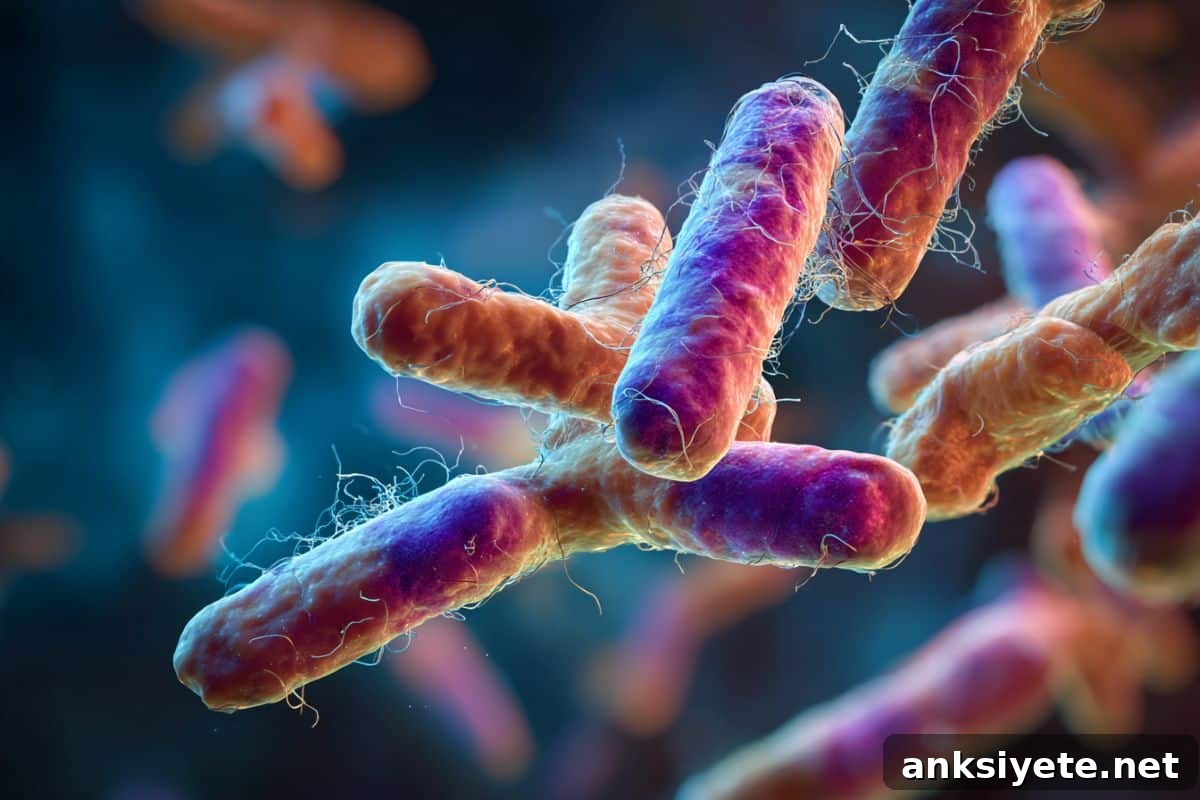
Summary: Higher levels of the periodontal bacterium Fusobacterium nucleatum in the oral cavity are associated with greater disability in people with multiple sclerosis (MS). Researchers analyzed tongue coating samples and found that MS patients with the highest relative abundance of this bacterium had significantly worse scores on the Expanded Disability Status Scale (EDSS). This effect … Read more