How the Brain Learns: Neuroscience Behind Memory and Skills
featured 83794

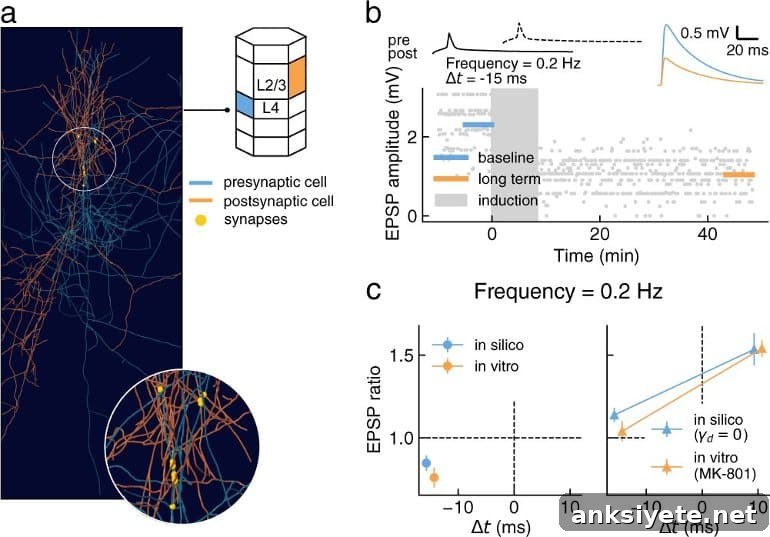
Summary: An open-source, calcium-based model of synaptic plasticity in the neocortex offers a practical framework to better understand how learning occurs in the brain. Source: University of Montreal The human brain is incredibly complex—but the mechanisms behind learning may be more straightforward than assumed. An international research team that includes scientists from Université de Montréal … Read more


Smell Test May Track Early Alzheimer’s Progression

featured 42873

Summary: Researchers at McGill University have developed a simple odor identification test that could help clinicians identify people at higher risk of Alzheimer’s disease and monitor early progression of the condition. Source: McGill University. Smell test shows promise as an early indicator of Alzheimer’s pathology Alzheimer’s disease (AD) causes brain changes that can begin decades … Read more

New High-Abuse-Risk Pain Drugs More Likely to Be Approved

featured 83990

Summary: A retrospective analysis shows that 27.8% of pain medications classified as having high abuse potential successfully complete development, compared with just 4.7% of medications judged to have low abuse potential. Source: American Society of Anesthesiologists New analysis published in Anesthesiology highlights the low level of investment in pain medication development despite the widespread burden … Read more

Can Roosters Recognize Their Reflection? What Research Shows

featured 97918

Summary: Long underestimated, chickens are now central to new research on animal self-awareness. Recent experiments with roosters suggest they may recognize their own reflections under certain conditions. Scientists observed that roosters sometimes respond to a mirror in ways that indicate self-recognition, but the outcome depends heavily on how the test is set up. These findings … Read more

Could Ketamine Prevent PTSD Symptoms After Trauma?

featured 38861

Summary: A new study reports that a single dose of ketamine given one week before a stressful event can reduce later fear responses and may act as a buffer against PTSD-like symptoms. Single Dose of Ketamine Given a Week Before Trauma Reduces Fear Response in Mice Source: Columbia University Medical Center Key finding: In mice, … Read more

AI for Early Heart Disease Detection

featured 48026

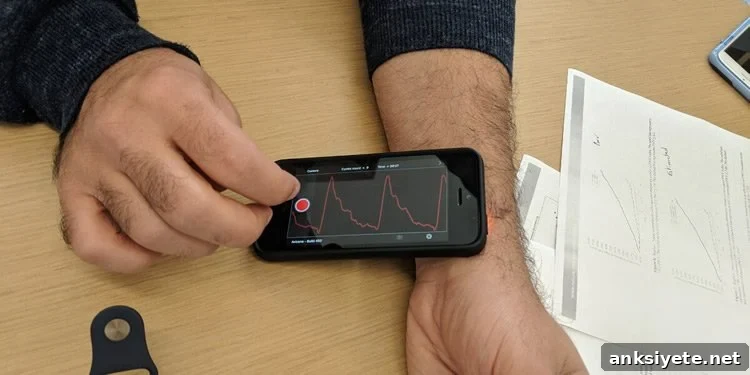
Summary: Researchers at USC combine deep learning with pulse recordings to noninvasively assess arterial stiffness and cardiovascular risk using a smartphone. Source: USC. Heart disease remains the leading cause of death for both men and women in the United States, accounting for roughly one in every four deaths. This group of conditions ranges from abnormal … Read more

Your Brain Processes Sentence Structure as Fast as Visual Scenes

featured 105674

Summary: New research shows the human brain can detect the basic structure of a short written sentence in roughly 150 milliseconds — about the time of a blink. Using magnetoencephalography, researchers at New York University found that the brain’s language comprehension network responds to briefly flashed sentences much like it does to visual scenes, rapidly … Read more

How Peer Influence Boosts Boys’ Confidence in Math

featured 103006

Summary: Boys’ confidence in mathematics is strongly shaped by how they compare themselves with peers, while girls’ self-assessments more closely reflect their actual performance. Although boys and girls show similar math ability on average, girls often report lower confidence, a gap that influences educational and career decisions. This confidence gap contributes to fewer women entering … Read more

How Emotions Influence Your Circadian Rhythm and Sleep

featured 44904

Summary: New research reveals how our internal sense of time adapts quickly to predictable temporal patterns, and how emotions shape that perception. Source: University of Freiburg. Humans possess an internal timing mechanism that helps us perceive and estimate short intervals without conscious effort. A research team led by Dr. Roland Thomaschke at the University of … Read more

AI-Trained Exoskeletons Boost Mobility and Cut Energy Use

featured 103114

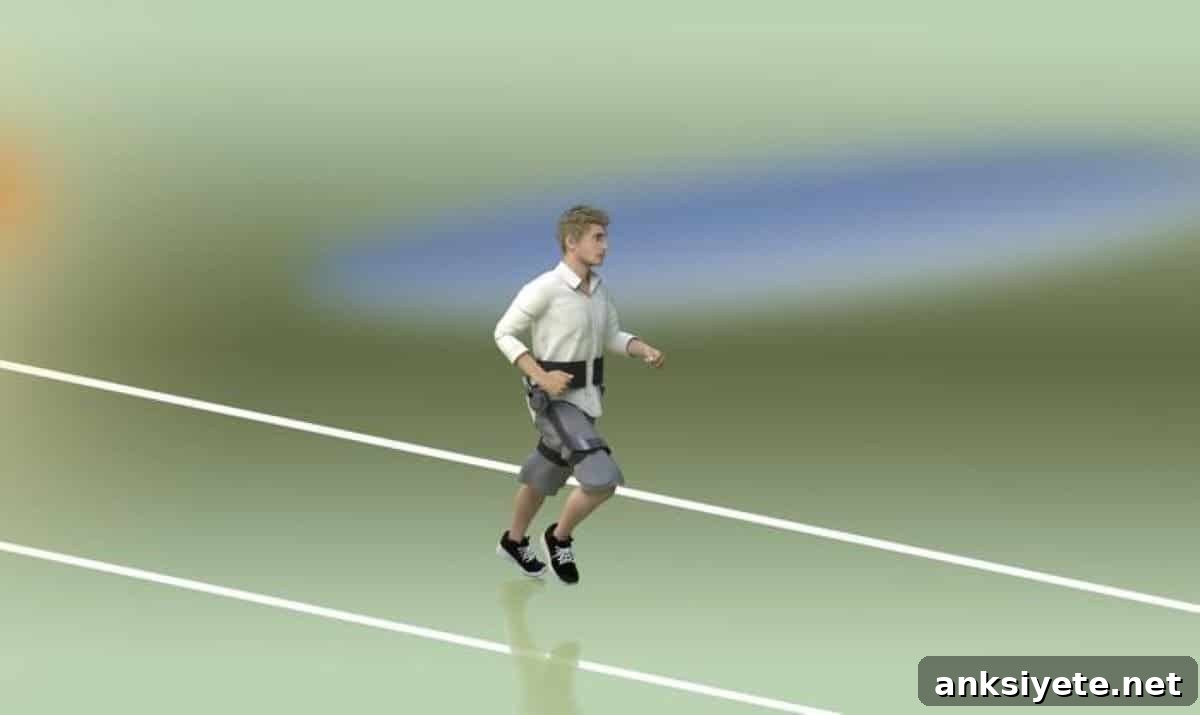
Summary: Researchers have developed an AI-driven, simulation-based method that trains robotic exoskeleton controllers to reduce the metabolic cost of walking, running, and climbing stairs. By learning entirely in simulation, these controllers avoid time-consuming human-in-the-loop experiments and can be adapted to a wide range of assistive devices. This advance could significantly improve everyday mobility and accessibility … Read more