
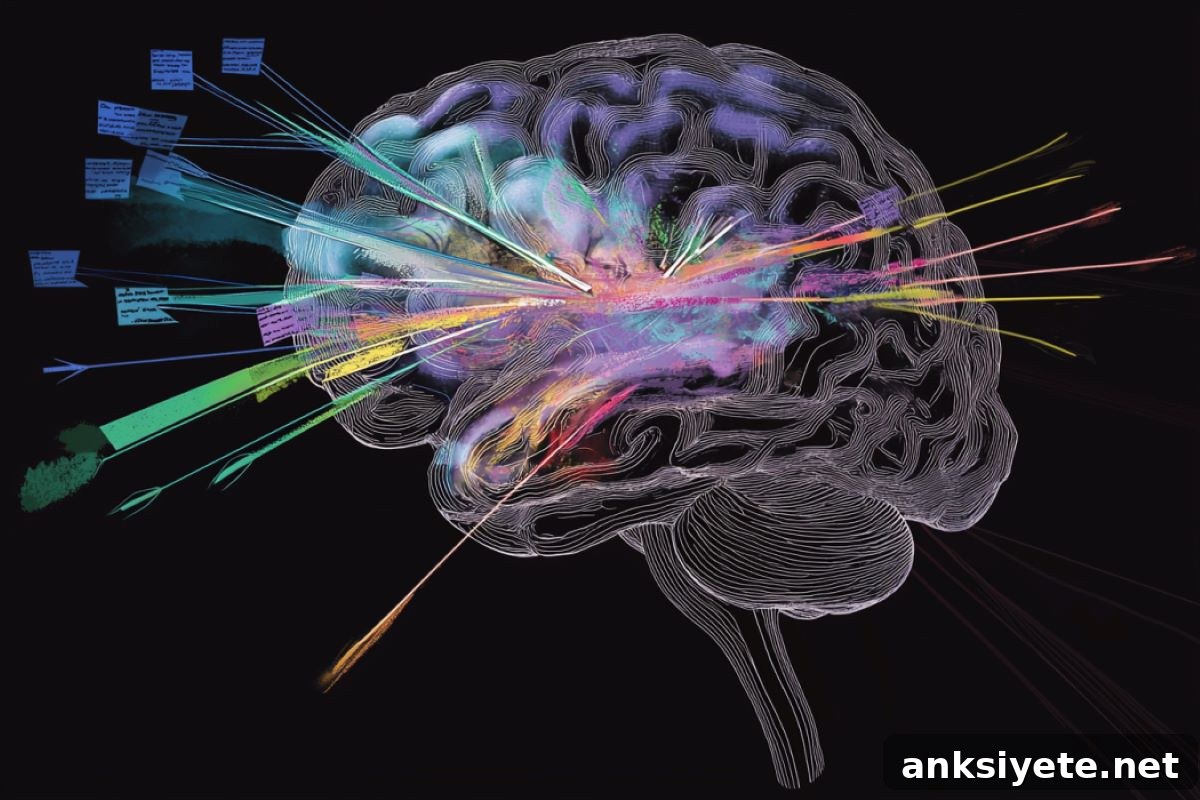
Summary: New research shows the human brain can detect the basic structure of a short written sentence in roughly 150 milliseconds — about the time of a blink. Using magnetoencephalography, researchers at New York University found that the brain’s language comprehension network responds to briefly flashed sentences much like it does to visual scenes, rapidly extracting phrase structure even when the sentence contains grammatical errors or lacks clear meaning.
These results reveal that rapid, at-a-glance language comprehension is a real capability of the brain’s language system. The findings have implications for how we read and respond to fast-paced digital text — from notifications and headlines to short captions — and for models of language processing that emphasize sequential, word-by-word interpretation.
Key Facts:
- The brain can detect basic sentence structure within about 130–150 milliseconds after seeing a brief sentence.
- At-a-glance sentence comprehension resembles rapid visual scene perception more than slow, stepwise processing.
- The brain’s left temporal cortex signals phrase structure detection even for ungrammatical or semantically implausible sentences, and small errors can be automatically corrected by later processing stages.
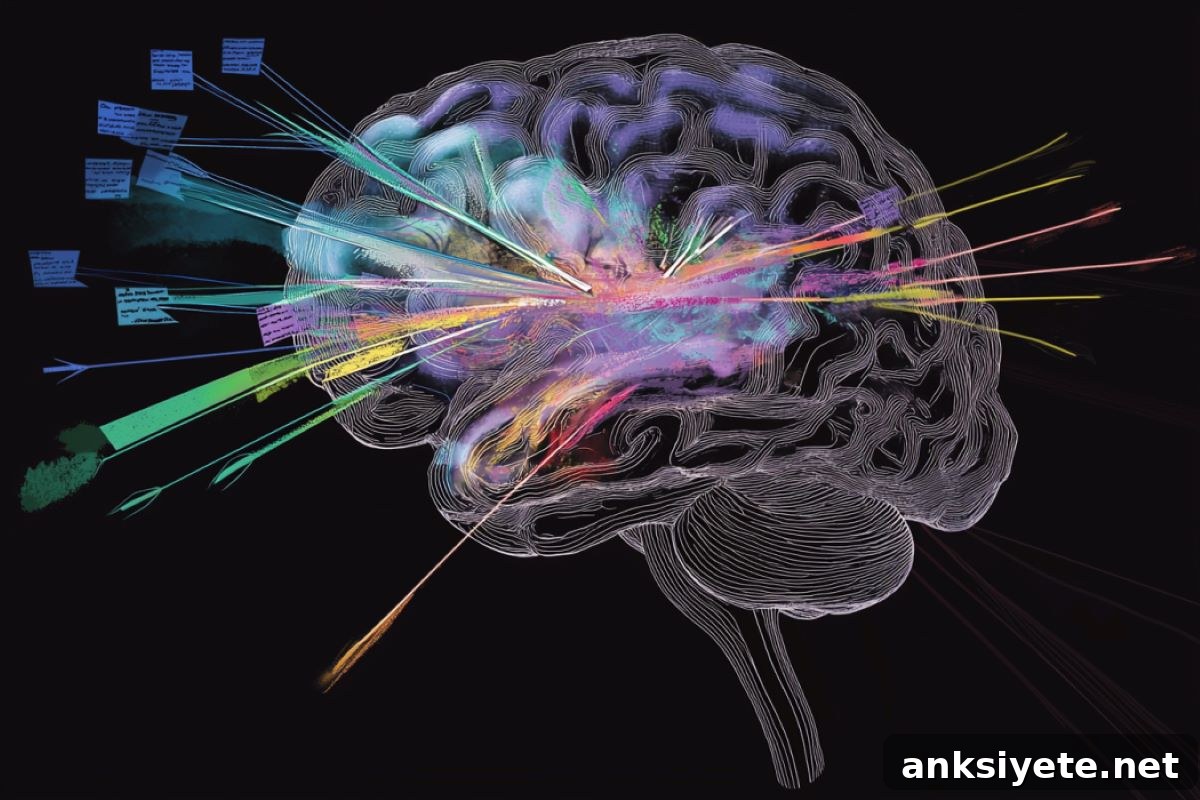
Lead researcher Liina Pylkkänen, a professor in NYU’s Department of Linguistics and Department of Psychology, explains that the experiments suggest language may be perceived, in part, the same way we take in a visual scene: the brain can grasp the gist quickly from a single presentation. Reported across papers in Science Advances and the Journal of Neuroscience, the work shows that a short, three-word sentence can be identified as a structured phrase within the time it takes to hear a single syllable.
Modern digital life exposes us to many fast, fleeting text signals — text overlays on videos, push notifications, headlines and social media updates. The authors suggest our brains are well adapted to make rapid judgments about such messages, deciding whether to act, ignore, or archive them almost instantly. The new findings clarify what the brain detects in the first few hundred milliseconds after seeing written input flashed in parallel across the visual field.
To test rapid sentence comprehension, the research team used magnetoencephalography (MEG) to record neural activity while participants viewed entire short sentences presented all at once, rather than word by word. Participants saw simple subject-verb-object sentences (for example, “nurses clean wounds”) as well as unstructured noun lists (for example, “hearts lungs livers”).
The MEG recordings revealed sentence-sensitive activity in the left temporal cortex beginning as early as 130 milliseconds after stimulus presentation. This early signal distinguished structured sentences from unstructured word lists, and it appeared even when sentences contained grammatical agreement errors or when their meaning was nonsensical. The pattern suggests the brain initially detects basic phrase structure independently of full grammatical analysis or detailed semantic integration.
Separate analyses reported in the Journal of Neuroscience, led by graduate student Nigel Flower, showed that small disruptions to phrase structure — such as swapping adjacent words — reduce the brain’s early response. Intriguingly, starting around 400 milliseconds, the brain often appears to “repair” or reinterpret minor errors, processing the input as if it were grammatically regular. This automatic correction helps explain why readers sometimes fail to notice small mistakes: later processing stages restore or normalize the perceived structure.
Jacqueline Fallon, first author on the Science Advances paper, notes that the rapid responses reflect detection of basic phrase structure rather than comprehensive grammatical parsing or full semantic interpretation. By presenting whole sentences simultaneously, the experiments uncovered a fast, parallel route for recognizing phrase structure that complements slower, sequential processes associated with spoken language.
Funding: The studies were supported by grants from the National Science Foundation (BCS-2335767) and the NYU Abu Dhabi Institute.
About this language processing and neuroscience research news
Author: James Devitt
Source: NYU
Contact: [email protected]
Image credit: Neuroscience News
Original Research: Open access. “Language at a glance: How our brains grasp linguistic structure from parallel visual input” by Liina Pylkkänen et al., Science Advances. The work examines how humans detect phrase structure rapidly from parallel written input and what neural signatures accompany that process.
Abstract
Language at a glance: How our brains grasp linguistic structure from parallel visual input
Human observers extract the gist of visual scenes from a single glance; this research asks whether a similar rapid process applies to written language. Because modern experience often presents written text in brief, simultaneous bursts, the team investigated what the brain detects in the first few hundred milliseconds after seeing such input. Using magnetoencephalography to record neural responses, they found sentence-sensitive activity in left temporal cortex within about 130 milliseconds. These early signals appeared for subject-verb-object sentences regardless of grammatical correctness or semantic plausibility, indicating that at-a-glance language comprehension begins by detecting basic phrase structure independently of meaning or other detailed grammatical features. The findings reveal one mechanism by which the brain processes language rapidly in visually dense environments.