How Night Shift Work Raises Cancer Risk, According to Research

featured 33257

Summary: New research links disruption of the circadian clock to increased tumor growth. Source: MIT. Study reveals connection between circadian clock disruption and tumor progression Several large studies have reported that working night shifts—which nearly 15 percent of Americans do—increases the risk of developing cancer. Researchers at MIT now provide experimental evidence that helps explain … Read more
Social Media Data Predicts Diverse Personality Traits

featured 67451

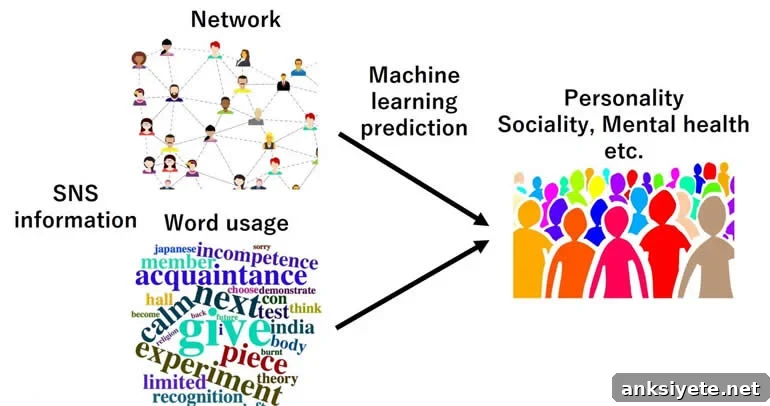
Summary: Personality traits—such as empathy and extraversion—can be inferred from specific social network features, while a broader set of traits, lifestyle indicators, and mental health signals can be predicted from language use on social media. Source: NICT Researchers Masahiko Haruno and Kazuma Mori at the Center for Information and Neural Networks (CiNet), National Institute of … Read more

New MRI Study Reveals How the Brain Safeguards Memories

featured 53999

Summary: A new ultra-high field MRI study identifies distinct roles for the hippocampus and the neocortex in protecting memories from interference. Source: University of Oxford. How the Brain Protects Memories from Interference Researchers at the Wellcome Centre for Integrative Neuroimaging, University of Oxford, have uncovered how two different brain systems work together to preserve precise … Read more

Bipolar Disorder Raises Risk of Postpartum Psychosis

featured 34131

Summary: New review finds that pregnant women with bipolar disorder face a substantially increased risk of developing postpartum psychosis. Source: Northwestern University Disorder often overlooked; clinicians sometimes hesitant to prescribe the most effective medication for new mothers. Women with bipolar disorder, their families, and clinicians should be aware of a markedly higher risk of postpartum … Read more

People Who Hear Voices Detect Hidden Speech in Noise

featured 42940

Summary: A new study published in Brain finds that people who experience auditory verbal hallucinations are better at detecting concealed speech within ambiguous sounds than those who do not hear voices. Source: Durham University. People who hear voices that others cannot may process new sounds differently, using cognitive strengths that help them detect hidden speech … Read more

DNA Predicts Multiple Sclerosis Risk Years Before Symptoms

featured 112003

Q: What is this study trying to discover about MS?A: The study aims to discover how inherited genetic risk factors and the immune response to the Epstein-Barr virus may interact to trigger multiple sclerosis (MS) before clinical symptoms appear. Q: What method are they using to explore this connection?A: Researchers will use a method known … Read more

Study Finds Diabetes Drug Eases Anxiety in Mice

featured 56795

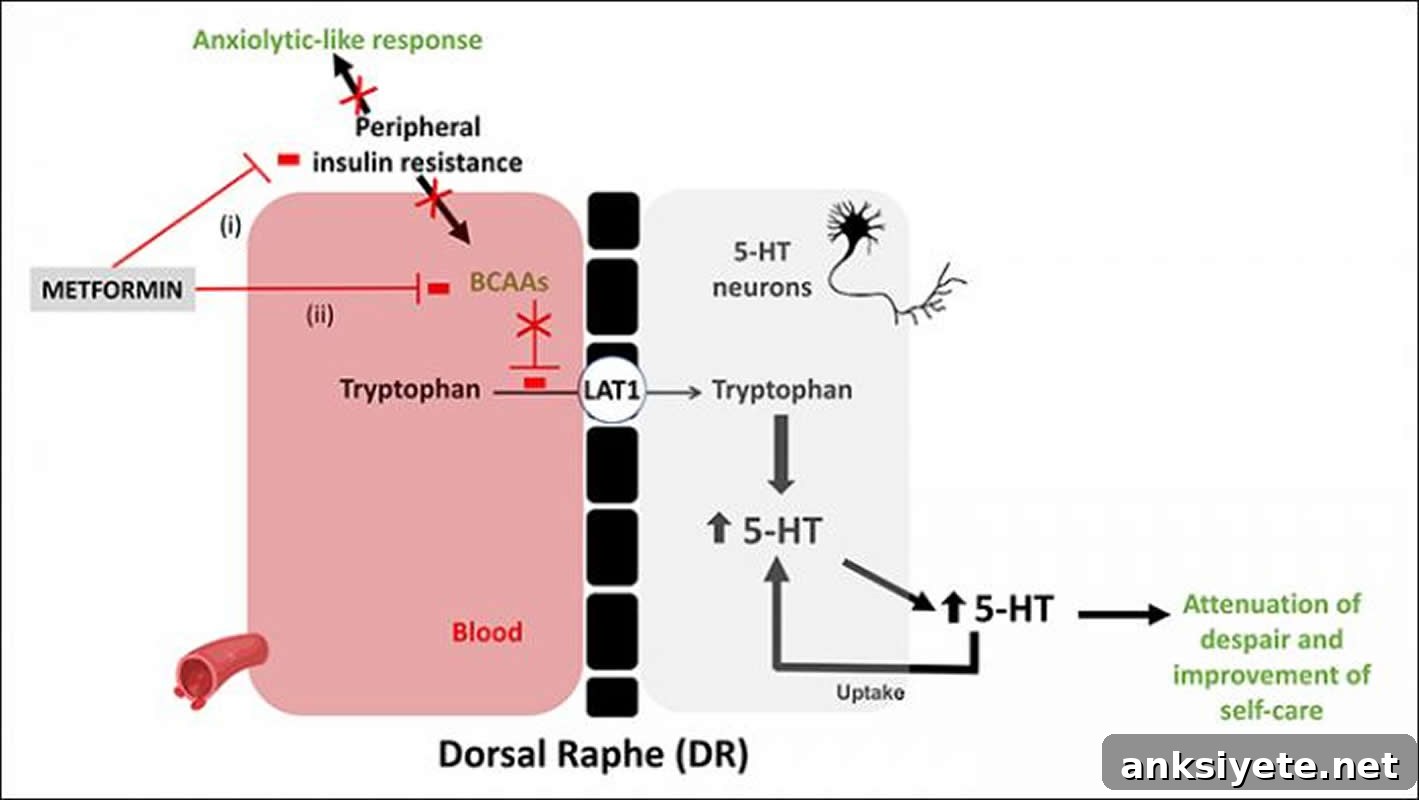
Summary: Metformin, a widely used diabetes medication, shows potential to reduce anxiety- and depression-like behaviors by increasing serotonin availability in the brain. Source: SfN New research reports that the antidiabetic drug metformin lowers anxiety-like behavior in male mice by boosting serotonin signaling in the brain, suggesting possible benefits for patients with combined metabolic and mood … Read more

How Human Neurons Differ From Other Mammals

featured 78759

Summary: Human neurons contain fewer ion channels than those of many other mammals. Researchers say this reduced channel density may allow the human brain to redirect energy toward other demanding neural processes. Source: MIT Neurons communicate through electrical impulses generated by ion channels that regulate the flow of ions such as potassium and sodium. In … Read more

Epigenetic Mechanism Found to Increase Lifelong Stress Risk

featured 72474

Summary: Early-life stress triggers an epigenetic change in D2-type medium spiny neurons in the nucleus accumbens, increasing vulnerability to stress in adulthood. Source: Mount Sinai Hospital Researchers at the Icahn School of Medicine at Mount Sinai have identified a specific epigenetic mechanism in the brain’s reward circuitry that explains how stress experienced early in life … Read more

Why Language Switching Benefits Bilingual Toddlers

featured 27636

Concordia Researchers Find Greater Cognitive Benefits in More Proficient Bilingual Toddlers New research shows that toddlers who are more proficient at switching between two languages display stronger problem-solving and mental control skills. Around half of the world’s population speaks two or more languages, and a growing body of research suggests that bilingualism provides cognitive advantages. … Read more