Common Mechanism Links Cancer, Aging and Inflammation
featured 35659

Summary: Researchers at the University of Pittsburgh report new insights into telomere biology that clarify how oxidative damage affects telomerase activity and could influence cancer, aging and inflammation. Source: University of Pittsburgh. University of Pittsburgh scientists have revealed new molecular details about telomeres — the protective DNA “caps” at chromosome ends — and how oxidative … Read more


Study: Young Adults with Obesity Show Early Brain Stress

featured 114099

Summary: New research from Arizona State University finds that young adults with obesity already show biological signs linked to liver stress, chronic inflammation, and early neuronal injury—changes commonly observed in older adults with cognitive impairment. The study also found unusually low circulating choline, a nutrient essential for liver function, inflammation control, and long-term brain health. … Read more

Make Every Move Count for Heart Health

featured 98214

Summary: New research shows that replacing sedentary time with moderate to vigorous activity across the day leads to meaningful improvements in heart health markers compared with remaining sedentary. The study analyzed wearable-device data from more than 15,000 people and mapped how different daily movement patterns relate to cardiovascular risk factors. The findings reveal a clear … Read more

How Depression Accelerates Brain Aging and Memory Loss

featured 48660

Summary: A new study finds that older adults with more pronounced depressive symptoms tend to have smaller overall brain volume and a 55% higher likelihood of having small vascular lesions in the brain, and those symptoms are associated with poorer episodic memory. Source: AAN Depressive symptoms in older adults are associated with memory deficits and … Read more

Antipsychotic Plus Radiation Targets Deadly Brain Tumors

featured 64873

Summary: Researchers at UCLA report that trifluoperazine, a dopamine receptor antagonist once commonly used to treat schizophrenia, when combined with radiation therapy can delay glioblastoma tumor growth and extend survival in preclinical models. Source: UCLA UCLA Jonsson Comprehensive Cancer Center researchers have discovered that adding an existing drug to standard radiation therapy improved survival in … Read more

New Cannabis Alternative Could Treat Parkinson’s Disease

featured 61015

Summary: HU-308, a cannabinoid CB2-selective compound, reduces L-dopa–induced dyskinesia in a mouse model and may offer a non-psychoactive treatment option for Parkinson’s disease patients. Source: University of Technology Sydney Promising non-psychoactive drug candidate HU-308 may reduce involuntary movements associated with long-term Parkinson’s treatment. Researchers report that HU-308, a compound that targets the cannabinoid CB2 receptor, … Read more

New Brain Imaging Reveals Autism Markers with 95% Accuracy

featured 104299

Summary: A multi-university team led in part by University of Virginia engineering professor Gustavo K. Rohde has created a brain-imaging system that detects genetic markers linked to autism with reported accuracy between 89% and 95%. The approach could enable earlier, genetics-informed diagnoses and more personalized interventions. The technique identifies specific patterns of brain structure associated … Read more

Breakthrough: Scientists Rejuvenate Human Cells to Reverse Aging

featured 44725

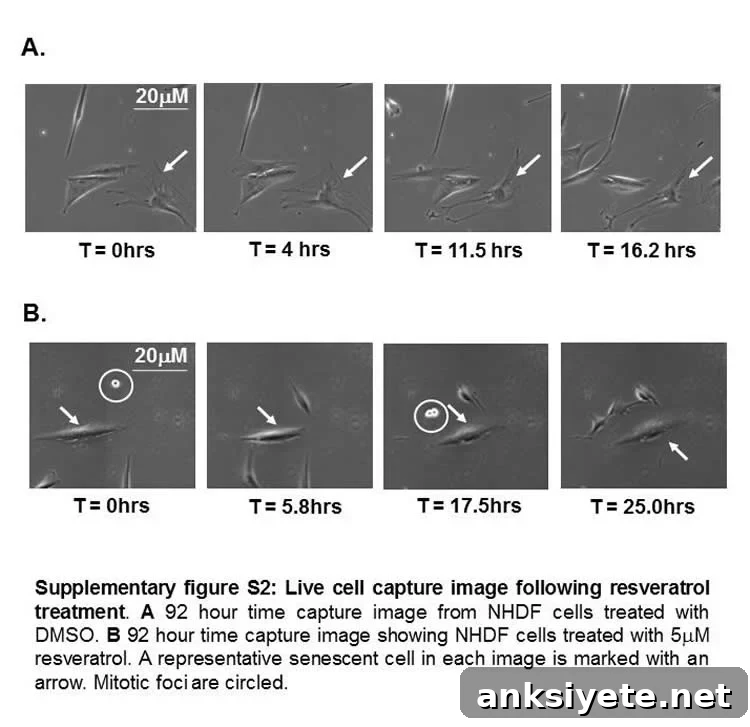
Summary: Resveratrol analogues can reactivate splicing factors, causing aged cells to regain youthful characteristics, begin to divide and show signs of rejuvenation within hours of exposure, according to a new study. Source: University of Exeter. Researchers led by Professor Lorna Harries, Professor of Molecular Genetics at the University of Exeter, report a novel approach to … Read more

How the Brain’s Response to Regret Affects Depression Risk

featured 87315

Summary: New research shows mice display two distinct forms of regret driven by different brain circuits. The study links one form of regret to a genetic marker associated with maladaptive stress responses and depression vulnerability, while a second form is found in stress-resilient animals. Source: Mount Sinai Hospital Researchers at the Icahn School of Medicine … Read more

Essential Oils: Benefits for Mood and Well-Being

featured 76561

Summary: New laboratory research suggests some essential oils can improve mood and reduce anxiety and depression symptoms by producing antioxidant effects in the brain. Source: Monash University Monash University scientists have identified mechanisms that help explain why certain essential oils benefit mood. Their results appear in the journal Neurochemistry International. Essential oils (EOs) are mixtures … Read more