How Shyness Skews Children’s Language Assessment Scores

featured 97594

Summary: Shyness can significantly affect how young children perform on language assessments, especially on tasks that demand more verbal interaction. Assessors should consider a child’s temperament to obtain a fairer, more accurate picture of language ability. A study of 122 children between 17 and 42 months examined how differences in task sociability—ranging from low-interaction to … Read more


Maternal Excess Weight May Harm Fetal Brain Development

featured 67068

Summary: New research suggests that maternal obesity may begin to affect fetal brain development by the second trimester. Higher maternal BMI was associated with altered connectivity in the fetal prefrontal cortex and anterior insula—regions involved in decision-making and behavior. Source: NYU Langone Obesity in pregnant women may influence the developing baby’s brain as early as … Read more

Damaged Neurons Signal Stem Cells to Repair Injury

featured 24518

Damaged nerve cells in conditions such as multiple sclerosis (MS) communicate with stem cells using the same synaptic language they use to talk to other neurons, effectively calling for help, according to new research from the University of Cambridge. The study, published in Nature Communications, offers fresh insight into how the brain and central nervous … Read more

How the Sandman Protein Controls Sleep

featured 33322

Summary: A new study brings researchers closer to understanding how the brain flips a switch to wake us from sleep. Source: University of Oxford. Researchers at Oxford University have identified the mechanism that flips a neural “sleep switch,” revealing how the brain transitions from sleep to wakefulness. The findings, published in Nature, provide fresh insight … Read more

How AI Detects Early Signs of Alzheimer’s

featured 53940

Summary: Researchers at USC applied machine learning to large medical datasets to uncover blood-based signatures linked to Alzheimer’s disease. The approach identified clusters of biological measures — including cardiovascular, immune, and metabolic indicators — that may improve early detection and noninvasive monitoring of the disease. Source: USC Nearly 50 million people worldwide live with Alzheimer’s … Read more

Alexithymia and Childhood Trauma: Understanding the Link

featured 94435

Summary: New research highlights a strong connection between alexithymia — the difficulty in identifying and describing emotions — and multiple forms of child maltreatment. By pooling evidence from 78 studies and 36,141 participants, the meta-analysis identifies emotional neglect, emotional abuse, and physical neglect as especially powerful predictors of adult alexithymia. This work underscores the importance … Read more

How Genes Shape Your Food Choices

featured 95718

Summary: A large-scale genetic analysis has identified roughly 500 genes that influence dietary preferences. The study highlights how genes involved in sensory systems — taste, smell and texture perception — and in brain reward pathways can shape which foods people prefer. These findings could inform personalized or precision nutrition approaches that account for an individual’s … Read more

New Mechanism Behind Frontotemporal Dementia Progression

featured 19913

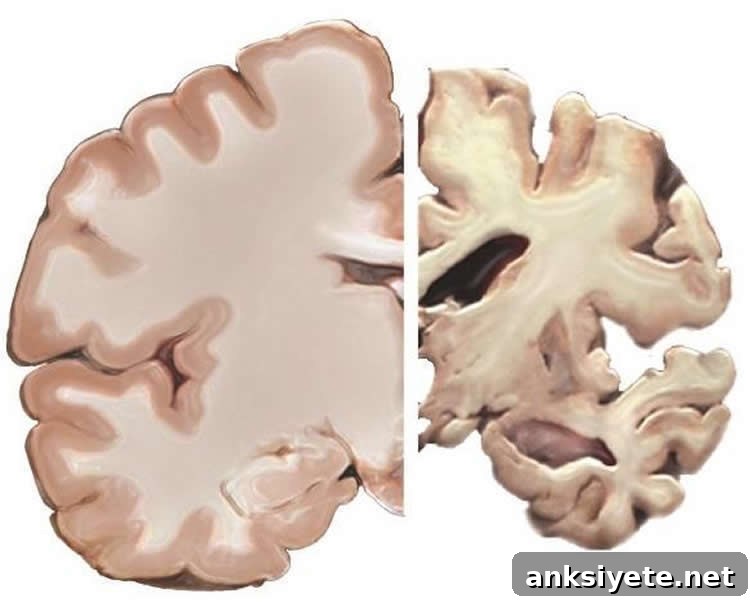
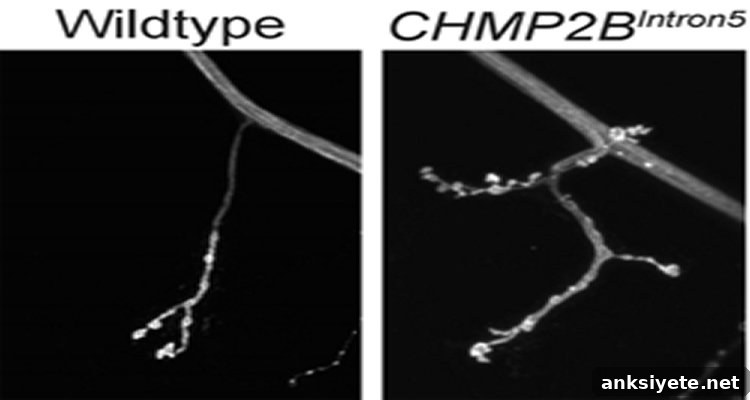
Biologists at the University of York have uncovered new cellular mechanisms that may drive progression of an aggressive form of dementia. In collaboration with scientists from the University of Massachusetts Medical School and the University of Puerto Rico, the research team investigated how synapses — the specialized connections that allow neurons to communicate — are … Read more

Newly Identified Gene Regulates Immunity in Multiple Sclerosis

featured 111591

Egr-1 Regulates Regulatory T Cells and Offers a New Avenue for Autoimmune Therapy Summary: New research identifies the gene Early Growth Response 1 (Egr-1) as a key regulator of immune balance by promoting the development and function of Foxp3+ regulatory T (Treg) cells. In a mouse model of multiple sclerosis, loss of Egr-1 in CD4+ … Read more

Brain Tumor Spread Along Blood Vessels Could Unlock Treatments

featured 15347

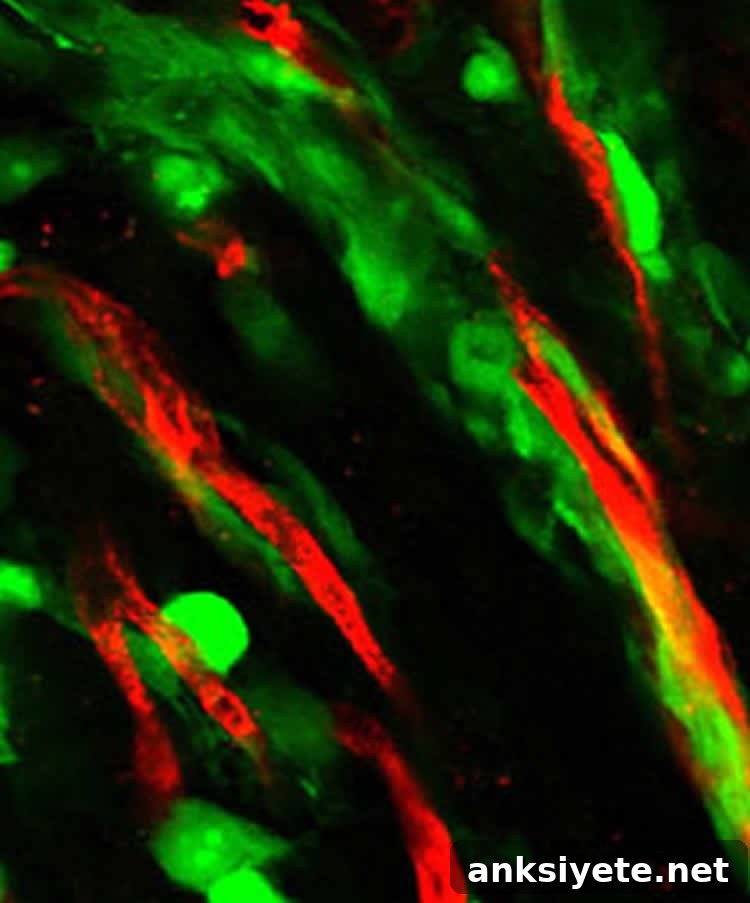
NIH-funded researchers find brain tumor cells disrupt the brain’s protective barrier, offering potential avenues for therapy. New research in mice suggests that invading glioblastoma cells can take control of cerebral blood vessels early in disease development and weaken the brain’s protective blood-brain barrier (BBB). These findings raise the possibility that some tumor cells may be … Read more