
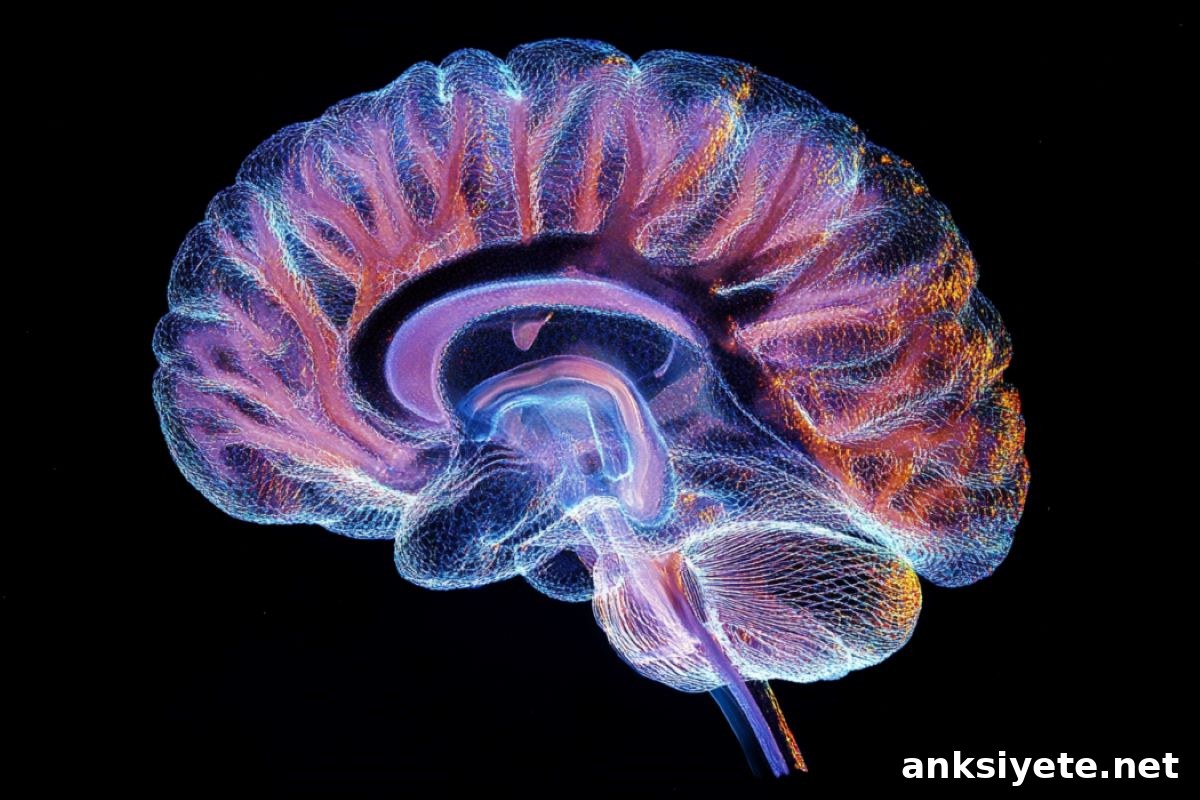
Summary: A multi-university team led in part by University of Virginia engineering professor Gustavo K. Rohde has created a brain-imaging system that detects genetic markers linked to autism with reported accuracy between 89% and 95%. The approach could enable earlier, genetics-informed diagnoses and more personalized interventions.
The technique identifies specific patterns of brain structure associated with autism-related genetic variations rather than relying solely on behavioral symptoms. Known as transport-based morphometry (TBM), the method combines generative mathematical modeling with medical imaging to visualize and separate brain changes tied to genetic copy number variations from normal biological variability.
Key facts:
- The system analyzes brain images to reveal structural signatures associated with autism-linked genetic variations.
- Reported prediction accuracy for identifying the targeted genetic variation from imaging data ranges from 89% to 95%.
- This genetics-first strategy could shift autism assessment from behavior-driven diagnosis toward precision, genetics-informed care.
Source: University of Virginia
Research overview
A collaborative team including researchers from the University of Virginia, the University of California San Francisco and Johns Hopkins School of Medicine developed and validated the TBM approach. Shinjini Kundu, Rohde’s former Ph.D. student and the paper’s first author, contributed to developing the generative modeling techniques while in Rohde’s lab and now works clinically at Johns Hopkins Hospital.
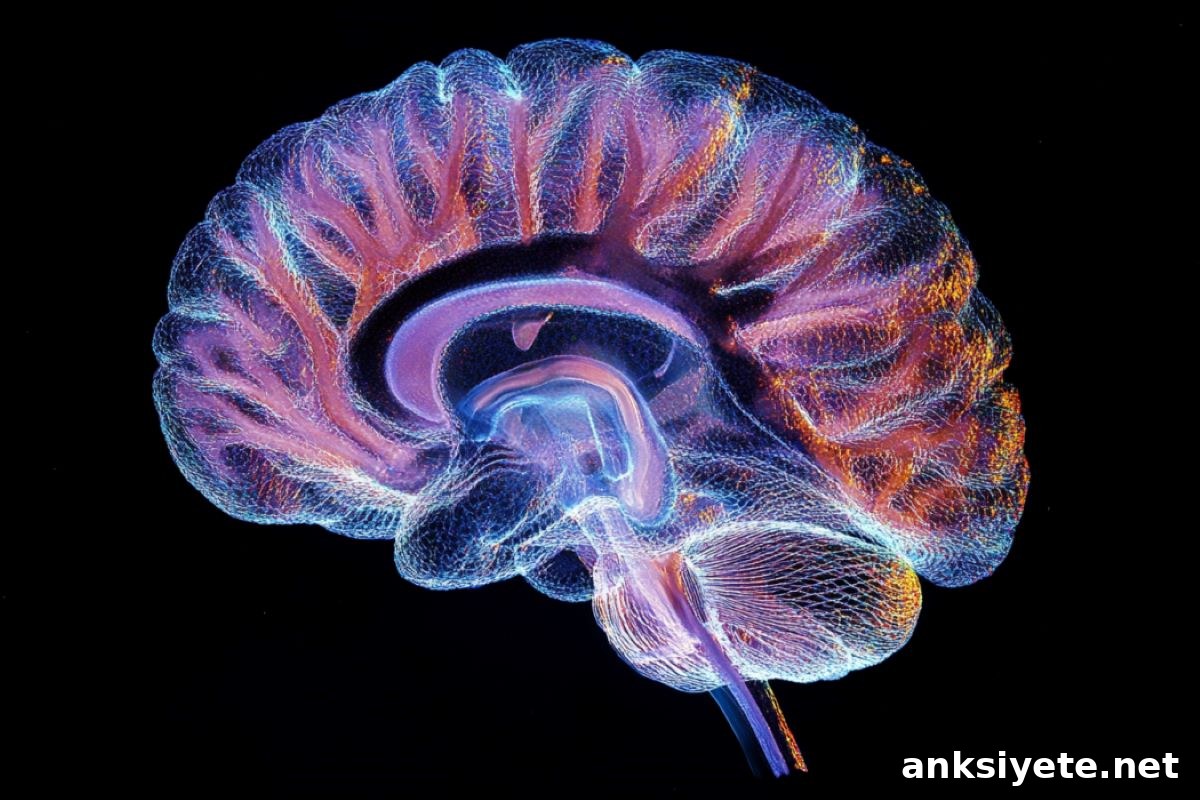
Using a novel mathematical framework, TBM extracts information about mass transport—the movement of molecules such as proteins, nutrients and gases through tissues—from three-dimensional medical images. The method then generates new visualizations and quantitative representations of brain morphology, enabling the team to identify patterns that correlate with specific genetic copy number variations (CNVs), including deletions or duplications of DNA segments linked to autism.
TBM separates changes in brain tissue arrangement that reflect disease-linked genetic differences from normal anatomical variability. This separation helps reveal the gene-brain relationship that traditional pattern-recognition machine-learning models, which often ignore underlying biophysical processes, tend to obscure.
How TBM works
Transport-based morphometry differs from many image-analysis models because it is grounded in biophysics. Rather than treating images as abstract pixel patterns, TBM models the mass transport processes that create biological forms and then measures those forms—gray matter, white matter and their spatial organization—directly. Mathematical equations transform raw imaging data into interpretable maps of tissue distribution and movement.
After extracting mass-transport features, TBM applies additional mathematical analyses to isolate the brain morphology signatures specifically associated with autism-linked CNVs from other sources of variability, such as age, sex, handedness or benign anatomical differences. By controlling for these confounding factors, the technique makes it possible to detect localized brain changes tied to genetic risk.
According to the researchers, applying TBM to data from people with known genetic variations revealed distinct “endophenotypes”—measurable brain-structure patterns associated with different CNV profiles. In their study, these endophenotypes enabled accurate prediction of the 16p11.2 CNV status directly from MRI images, with test accuracy reported between 89% and 95%.
Rohde explains that understanding how CNVs relate to brain tissue morphology is a crucial step toward revealing the biological pathways that underlie autism. The ability to visualize dose-dependent brain changes in deletion and duplication carriers may eventually point to brain regions and mechanisms that can be targeted by therapies.
The research team used imaging and genetic data from participants in the Simons Variation in Individuals Project. Control subjects were selected from other clinical sources and matched for age, sex, handedness and nonverbal IQ, while excluding individuals with related neurological conditions or relevant family histories.
The authors note that TBM’s grounding in biophysical principles could help unlock the value in the vast amounts of medical imaging data generated worldwide. As has been observed elsewhere, a large portion of medical records consist of images, and more appropriate mathematical models may uncover discoveries hidden in that data.
The team also reports that the identified endophenotypes relate to specific clinical features: they are sensitive to articulation disorders and account for some variability in intelligence scores among carriers. The researchers suggest that combining genetic stratification with TBM could reveal new brain endophenotypes across many neurodevelopmental disorders and accelerate precision medicine approaches.
Additional co-authors on the study include Haris Sair from Johns Hopkins School of Medicine and Elliott H. Sherr and Pratik Mukherjee from the Department of Radiology at the University of California San Francisco.
Funding: The research was supported by the National Science Foundation, the National Institutes of Health, the Radiological Society of North America and the Simons Variation in Individuals Foundation.
About this neuroimaging and autism research news
Author: Jennifer McManamay
Source: University of Virginia
Contact: Jennifer McManamay – University of Virginia
Image credit: Neuroscience News
Original research (open access): Discovering the gene-brain-behavior link in autism via generative machine learning — Gustavo K. Rohde et al., Science Advances. The paper describes the use of 3D transport-based morphometry to link brain structural changes to copy number variation at the 16p11.2 region and reports identification of two distinct endophenotypes that enable high-accuracy prediction of CNV status from brain images.
Abstract
Discovering the gene-brain-behavior link in autism via generative machine learning
Autism has traditionally been diagnosed by behavioral assessment but has a substantial genetic component. A genetics-first perspective could reshape how autism is understood and treated. The main challenge is isolating the gene–brain–behavior relationship from other confounding sources of variability.
The study demonstrates a novel 3D transport-based morphometry (TBM) technique to extract brain structural changes linked to copy number variation (CNV) at the 16p11.2 locus. Using data from the Simons Variation in Individuals Project, the researchers identified two distinct endophenotypes. Detection of these endophenotypes enabled 89% to 95% test accuracy in predicting 16p11.2 CNV status from brain images alone. TBM also produced direct visualizations of the endophenotypes, revealing dose-dependent brain changes among deletion and duplication carriers.
These endophenotypes show sensitivity to articulation disorders and explain part of the variance in intelligence measures. The authors propose that combining genetic stratification with TBM may uncover new brain endophenotypes across neurodevelopmental disorders and accelerate precision medicine and the scientific understanding of human neurodiversity.