How the Brain’s Internal Compass Stabilizes Memories
featured 115563

Summary: The brain combines constant change with enduring stability. While memory-related structures such as the hippocampus reorganize their activity over time, our long-term memories generally remain reliable. New research identifies a neural “anchor” that helps preserve this stability: the head-direction system — an internal compass that remains consistent for months and provides a fixed reference … Read more

Study Reveals Biological Link Between Music and Social Bonding

featured 115559

Summary: Music has long anchored human rituals, from tribal gatherings to modern concerts. A new study identifies a biological explanation: listening to harmonically consonant chord progressions during live, face-to-face interaction strengthens the brain circuits involved in social perception and emotional processing, making people feel more connected. Key Facts & Findings The “Consonant” Effect: Researchers presented … Read more

Dopamine GPS: Visual Guidance in the Brain Beyond Reward

featured 115550

Summary: For decades, dopamine has been described mainly as the brain’s “reward” chemical—released when we encounter something valuable or pleasurable. New research from a Boston University-led team reveals an additional, distinct role: dopamine also functions as a real-time guidance system that signals whether an organism is moving toward or away from a goal. Using visually … Read more

How a Single Neuron Decides to Eat or Starve

featured 115546

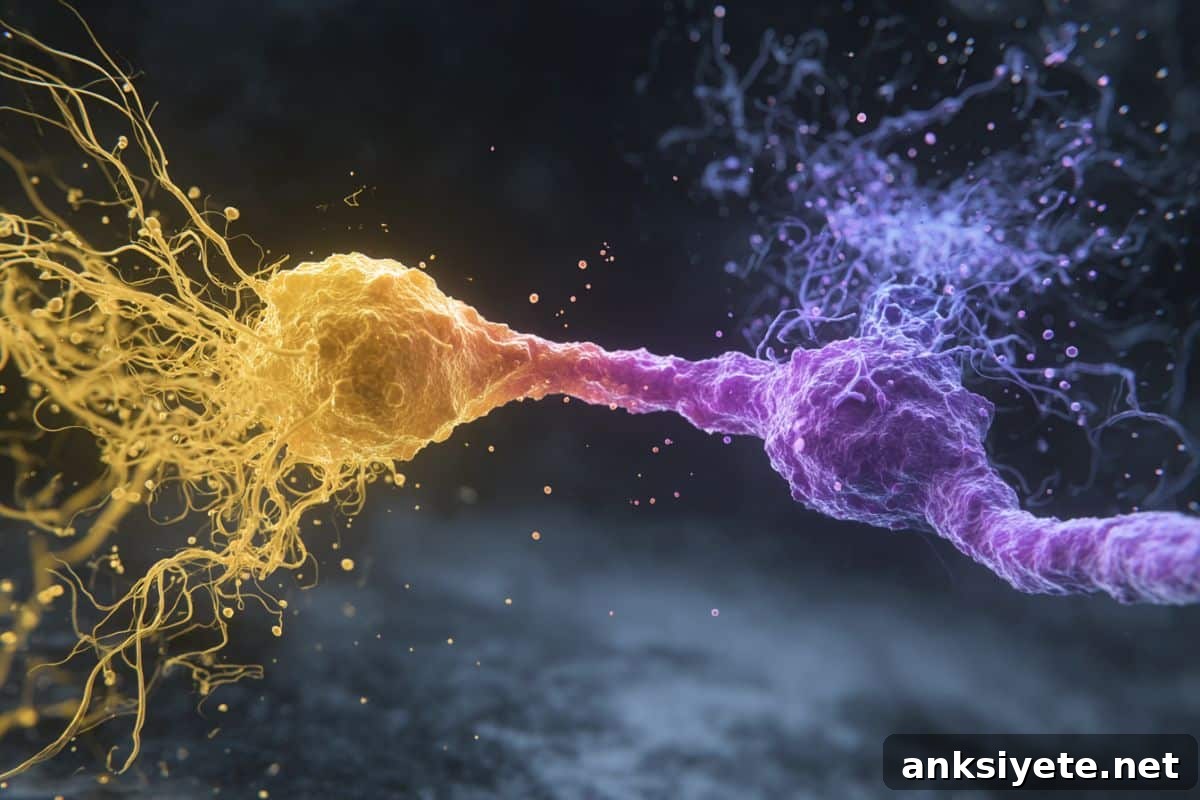
Summary: For a fruit fly, a single bite can determine survival. New research overturns the idea that “sweet” and “bitter” taste signals travel entirely separate neural routes. Scientists have identified a compact decision-making hub—one pair of neurons—that integrates opposing taste cues to steer feeding behavior. These neurons, called subesophageal LK neurons (SELKs), act like a … Read more

Connectivity-Based Neuron Classification: Beyond Shape

featured 115530

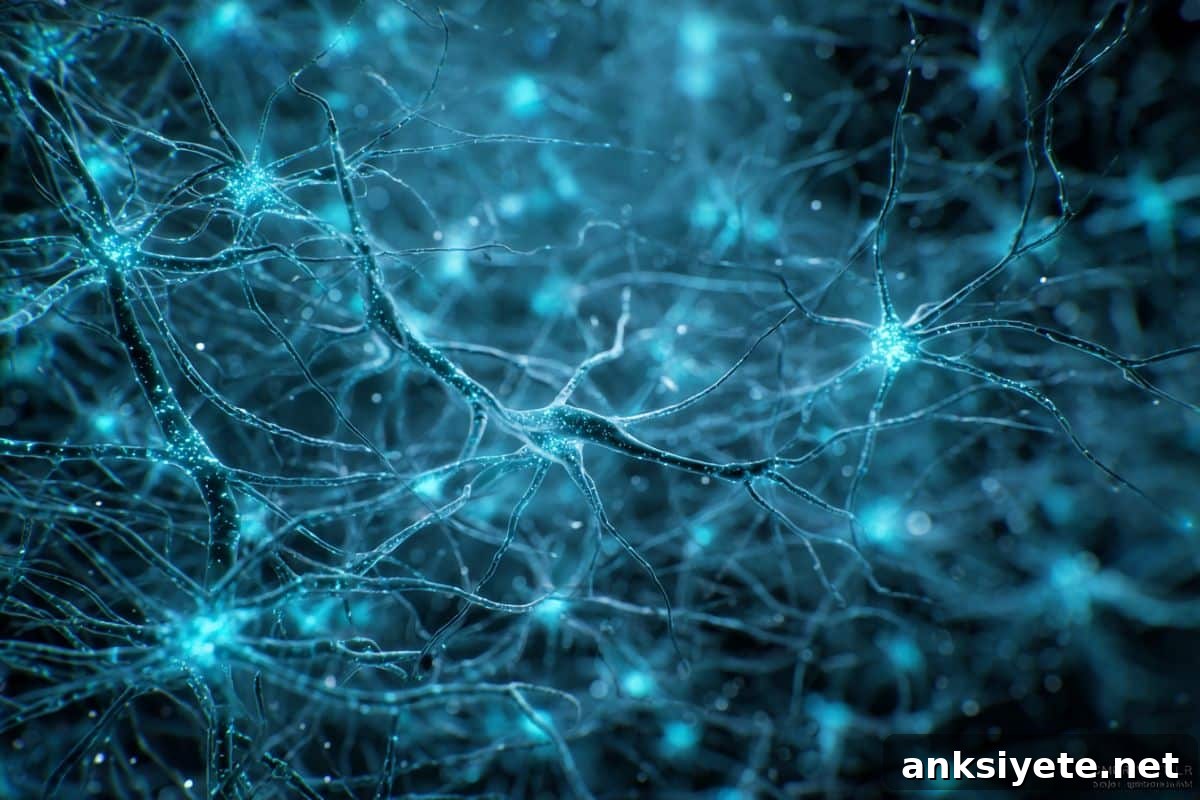
Summary: Identifying neuron types has long depended on manual, morphology-based methods—like telling trees apart by their leaves. A new artificial intelligence approach reverses that logic: Neuronal Type Assignment from Connectivity (NTAC) shows that a neuron’s pattern of synaptic connections—the wiring diagram—can serve as a more reliable and scalable fingerprint than shape alone. NTAC classifies thousands … Read more

New Radio Wave Therapy Targets Brain Disorders Affecting 1 in 3

featured 115522

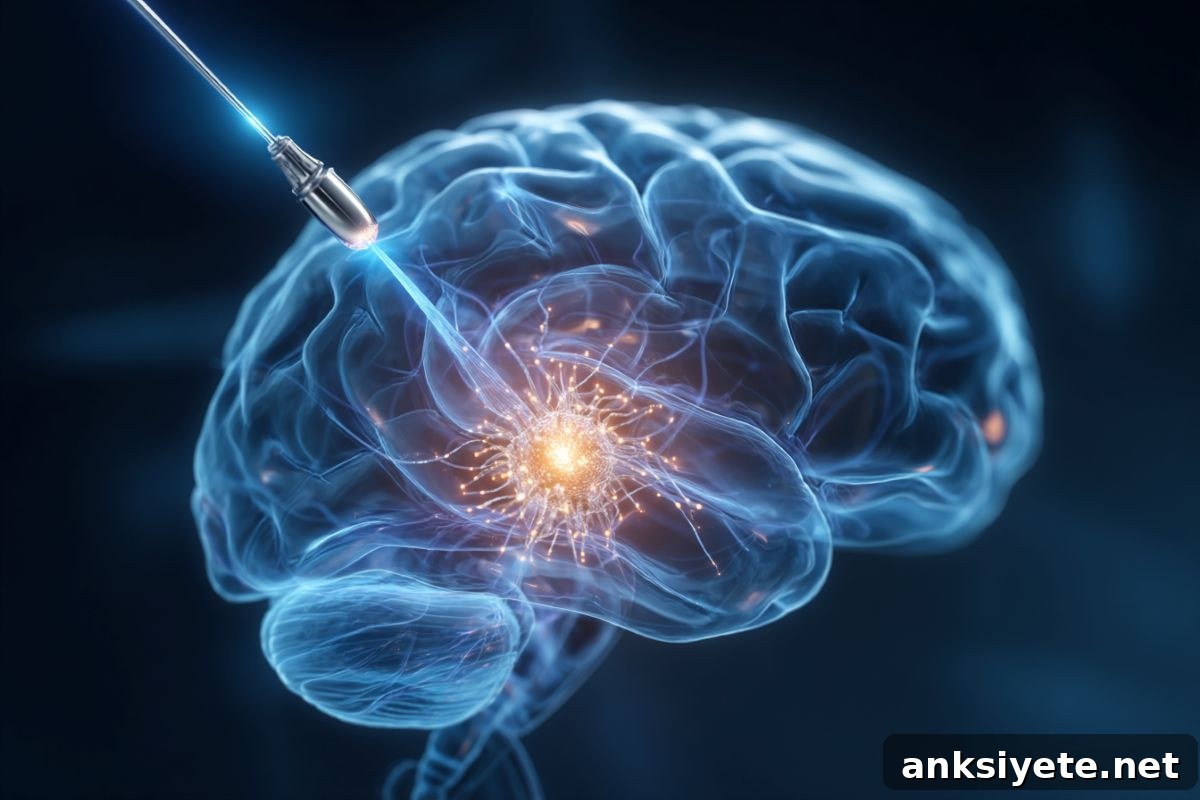
Summary: A new study presents Transcranial Radio Frequency Stimulation (TRFS), a non-invasive neuromodulation method that uses focused radio frequency (RF) energy to increase or decrease neuronal activity in targeted deep-brain regions. Unlike many existing techniques that are limited by skull attenuation or poor depth penetration, TRFS employs high-frequency signals and small custom antennae to reach … Read more

Teen Cannabis Use Raises Schizophrenia Risk by 52%

featured 115517

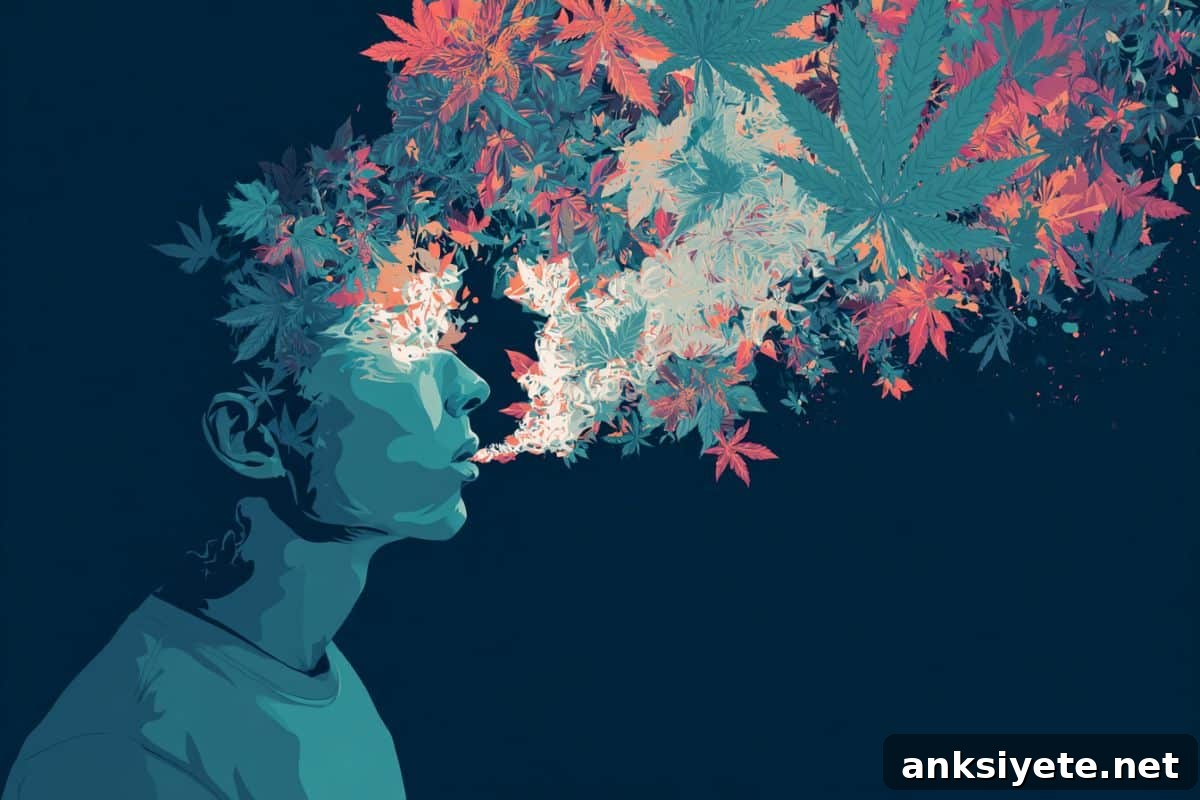
Summary: New Johns Hopkins research identifies a clear age-dependent association between cannabis use disorder (CUD) and later mental-health diagnoses. Teenagers diagnosed with CUD face substantially higher risks of psychiatric conditions—including schizophrenia, recurrent major depression, and anxiety disorders—than peers with other substance use disorders. In adults, however, CUD was linked with a comparatively lower risk of … Read more

How Exercise Rewires the Brain After Trauma

featured 115513

Summary: For years, childhood trauma was often described as leaving permanent “scars” on the brain. New research challenges this deterministic view, showing that lifetime physical activity can substantially alter how early adversity is reflected in brain connectivity. By analyzing resting-state fMRI data, researchers found that consistent physical activity is associated with a shift in neural … Read more

Study Identifies Gene Linking Schizophrenia to Decision-Making

featured 115509

Summary: A major challenge in schizophrenia is the loss of cognitive flexibility—the capacity to revise beliefs when new evidence appears. New research from MIT pinpoints a mutation in the grin2a gene that disrupts a thalamocortical circuit responsible for this “reality check,” causing the brain to over-rely on outdated beliefs and ignore incoming sensory information. The … Read more

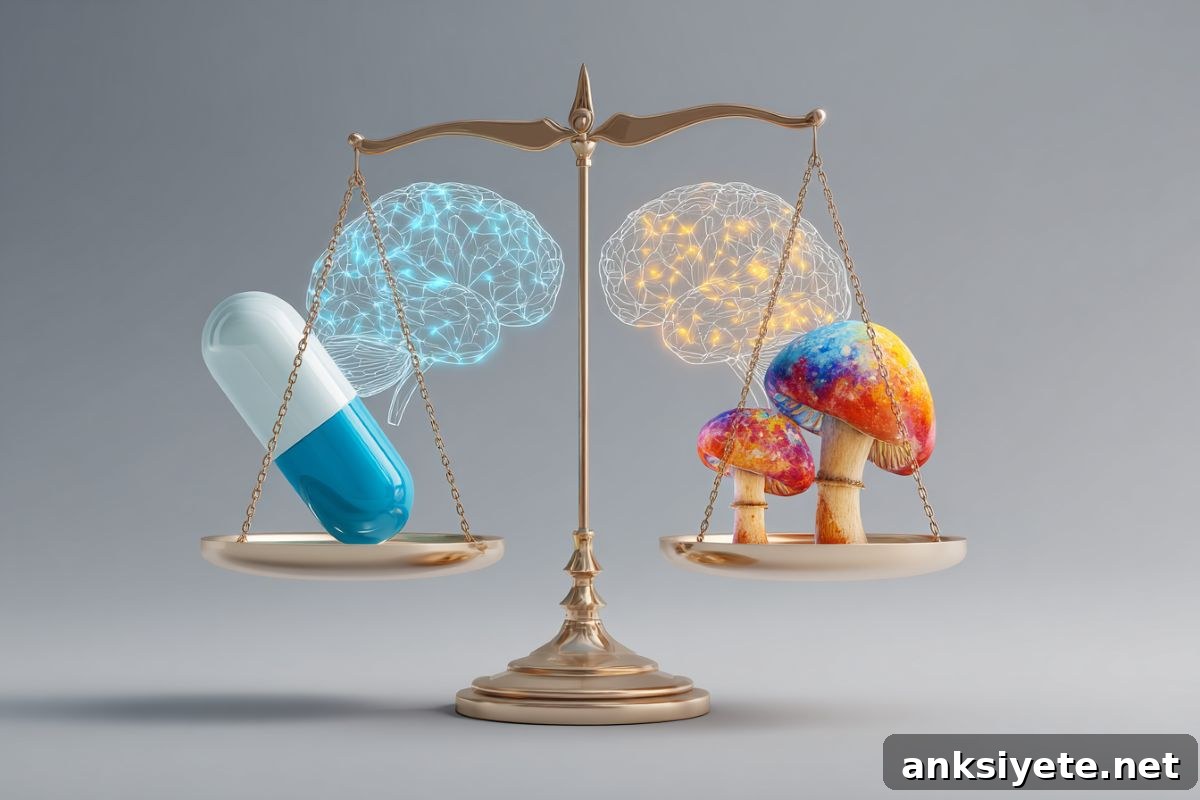
Psychedelics Rival Antidepressants but Don’t Outperform Them

featured 115501

Summary: For years the “psychedelic renaissance” has suggested that substances like psilocybin and LSD could transform mental health care and surpass conventional antidepressants such as SSRIs. A new, rigorous analysis from researchers at UCSF, UCLA, and Imperial College London offers a more tempered picture: when patients know which treatment they receive, psychedelic-assisted therapy does not … Read more