Why Older Adults Become More Positive When Distressed
Summary: Older adults tend to respond more positively to both emotional and neutral information and are better at reframing negative experiences into…
Topic
Topics
Summary: Older adults tend to respond more positively to both emotional and neutral information and are better at reframing negative experiences into…
Summary: Expectant fathers who show stronger brain activation in theory-of-mind regions and higher prenatal oxytocin tend to endorse a more “baby-led,” empathetic…
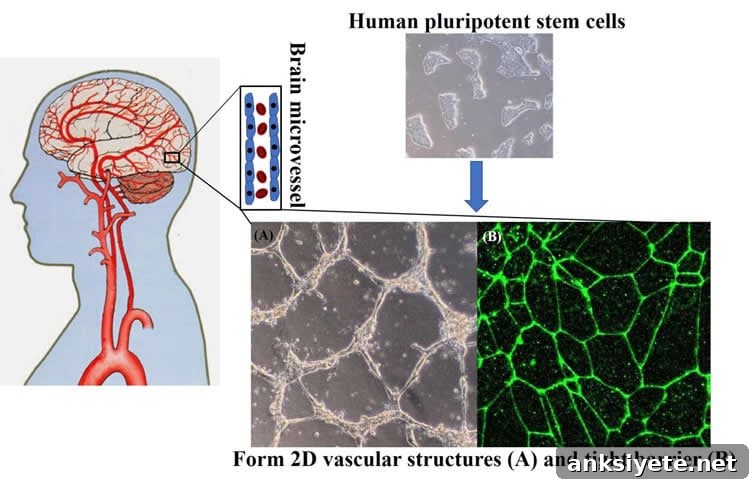
Summary: Researchers have established a defined, chemical-based method to produce more realistic human blood-brain barrier cells in vitro. Source: University of Wisconsin–Madison.…
Summary: Neuroimaging research finds that Gulf War Veterans who suffer chronic pain show enlarged brain regions tied to pain processing and reduced…
Summary: Recent research emphasizes the importance of dynamic motion in recognizing familiar people, showing that movement patterns—across faces, voices, and bodies—carry distinctive,…
Summary: A new study uncovers how two Pumilio genes, PUM1 and PUM2, control the production of new neurons in the dentate gyrus…
Summary: A new study challenges the common assumption that burnout is primarily driven by workplace conditions while depressive symptoms are mainly shaped…
Summary: New research reveals distinct populations of brain cells linked to multiple sclerosis (MS). Scientists found multiple types of oligodendrocytes and a…
Summary: For a tiny seed, the patter of rain is not merely a calming sound — it can be a powerful cue…
Variation in Human Olfactory Receptors and Its Impact on Smell Perception Not every nose perceives scents the same way. New research shows…
Readers are exploring