
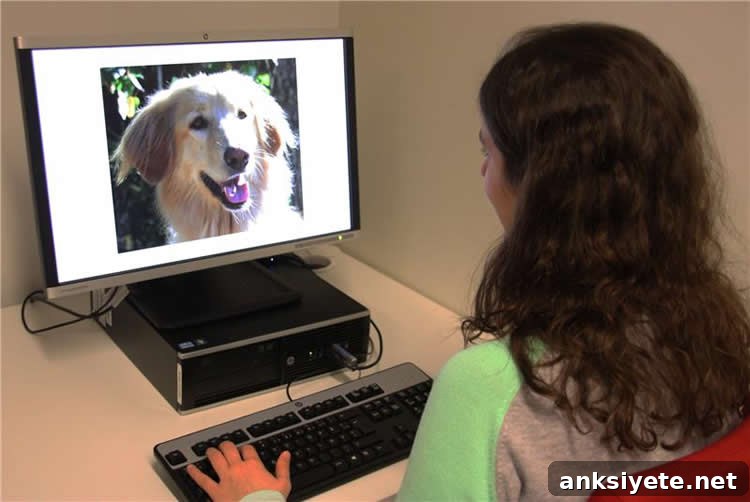
Summary: A new study shows that human empathy influences how people perceive dogs’ facial expressions.
Source: University of Helsinki.
Human empathy extends to dogs: people with higher empathy interpret dogs’ facial expressions more intensely
A collaborative study by the University of Helsinki and Aalto University investigated how empathy, personality traits and experience with dogs influence how people evaluate facial expressions in both dogs and humans. The researchers found that emotional empathy — the tendency to share and resonate with others’ feelings — affects not only how people read human faces but also how strongly they perceive emotion in dogs’ faces.
According to postdoctoral researcher Miiamaaria Kujala, “Empathy affected assessments of dogs’ facial expressions even more than previous experience with dogs. Faces are biologically important visual signals for humans, and empathy appears to amplify our responses to them. However, when observers consider the whole-body signals of dogs rather than only facial cues, prior experience with dogs becomes more influential.”
How empathy changes perception of dog facial expressions
Previous work by the team showed that people with higher emotional empathy are quicker and more accurate at interpreting human emotional expressions, and they often experience those expressions more intensely. This new study extends that pattern to pet dogs: more empathetic observers judged the emotional content of dog faces more rapidly and rated threatening expressions as stronger and more negative.
At the same time, the researchers caution that faster and more intense ratings do not necessarily mean more accurate assessments of canine emotions. Kujala notes, “Empathy speeds up and intensifies the assessment of dogs’ facial expressions, but defining the accuracy of such assessments is currently unreliable.” In other words, empathetic observers may sometimes over-interpret what a dog’s face is signaling.
Threat signals stand out; happiness is harder to read in dogs
Longstanding research into facial communication among social mammals has shown that threat-related cues tend to be particularly salient. The Animal Mind research group previously demonstrated that dogs themselves respond strongly to threatening expressions from both humans and other dogs. In the current study, human observers were especially adept at recognizing threatening expressions in dogs and rated those expressions as more intense than comparable threatening human faces.
By contrast, observers rated happy human faces as more intense than happy dog faces. The authors propose that this may reflect a general tendency to perceive positive expressions more strongly within one’s own species. Additionally, participants with practical experience in dog training tended to judge dog smiles and other positive facial cues as happier than less experienced observers did, suggesting that experience helps people detect subtle signs of canine happiness that might otherwise be missed.
Study design and main conclusions
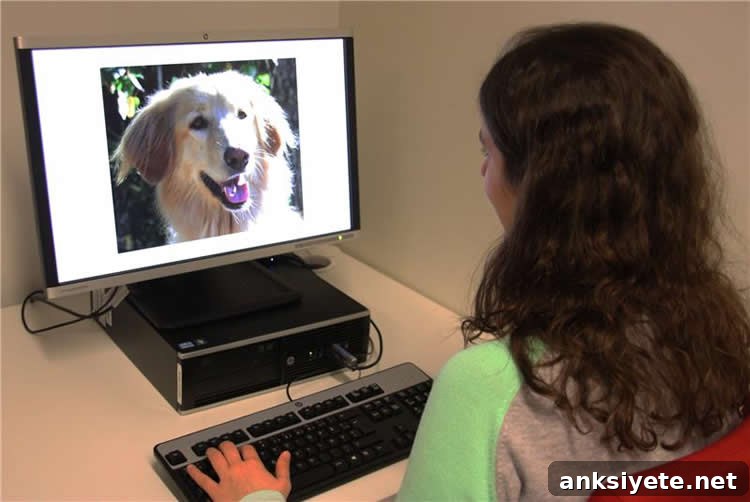
The study asked 34 observers to rate images of human and dog faces showing Pleasant, Neutral and Threatening expressions. Participants evaluated valence (positive–negative), arousal (calm–excited), and six basic emotions (happiness, sadness, surprise, disgust, fear and anger/aggressiveness). The researchers measured participants’ empathy (Interpersonal Reactivity Index), personality (Big Five Inventory), and experience with dog behavior, and examined how these factors affected ratings.
Key findings included:
– Human and dog facial expressions were categorized along similar dimensions, with observers distinguishing pleasant from neutral and threatening faces in both species.
– Higher emotional empathy predicted stronger negative valence and higher anger/aggressiveness ratings for Threatening faces in both species.
– More empathetic observers rated Pleasant human faces as happier and made faster valence judgments for certain face types, including Threatening dogs.
– Experience with dogs correlated with higher ratings of Pleasant and Neutral dog faces, indicating that familiarity improves recognition of positive canine expressions.
– Personality traits had minor effects compared with empathy and experience.
The results suggest that while people perceive human and dog facial expressions using similar mental frameworks, those perceptions are shaped by individual psychological factors. Empathy, in particular, influences both the speed and the intensity of emotional ratings for dog faces, demonstrating that human social cognition extends beyond our own species.
Source: University of Helsinki. Image credit: Miiamaaria Kujala and Sanni Somppi.
Study: Human Empathy, Personality and Experience Affect the Emotion Ratings of Dog and Human Facial Expressions, by Miiamaaria V. Kujala, Sanni Somppi, Markus Jokela, Outi Vainio, and Lauri Parkkonen. Published in PLOS ONE (online January 23, 2017).
The study explored how facial expressions function as emotional signals across species and how observers’ empathy, personality and dog experience influence perception. Participants rated valence, arousal and basic emotions from human and dog faces with Pleasant, Neutral and Threatening expressions. Observers with higher emotional empathy perceived Threatening faces of both species as more negative and more aggressive. Empathy also sped up valence judgments for several face types. Experience with dogs improved recognition of Pleasant and Neutral dog expressions. Overall, findings indicate that human observers interpret dog and human faces in similar ways, but the intensity and speed of those judgments are modulated by empathy and experience.
This article summarizes research from the University of Helsinki and Aalto University examining the influence of empathy, personality and experience on emotion ratings of dog and human facial expressions.