
Summary: A Nature Neuroscience study clarifies the normal function of alpha-synuclein, a protein closely linked to Parkinson’s disease. Researchers say that defining how alpha-synuclein normally operates offers direct clues to how it can malfunction and suggests new directions for preventing or treating neurodegenerative disorders.
Source: UCSF.
New Study Reveals Normal Role of Alpha-Synuclein and Its Implications for Parkinson’s Disease
Abnormal clumps of proteins in the brain are a defining feature of Parkinson’s and other neurodegenerative diseases, but the healthy roles of those same proteins have been poorly understood.
Researchers at the University of California, San Francisco, led by neuroscientist Robert Edwards, MD, report new evidence identifying a normal, physiological role for alpha-synuclein — the signature protein most commonly associated with Parkinson’s disease. By clarifying how alpha-synuclein supports neurotransmission in healthy nerve cells, the work points to mechanisms that could underlie disease when that function is lost or altered.
Alpha-Synuclein at the Synapse
Alpha-synuclein is concentrated at synapses, the specialized sites where vesicles carrying neurotransmitters fuse with the neuronal membrane to release chemical signals. Dopamine, a neurotransmitter that is severely depleted in Parkinson’s disease, is released by such vesicle fusion events. Disruption of the fusion machinery therefore impairs neuronal communication and can undermine many brain functions.
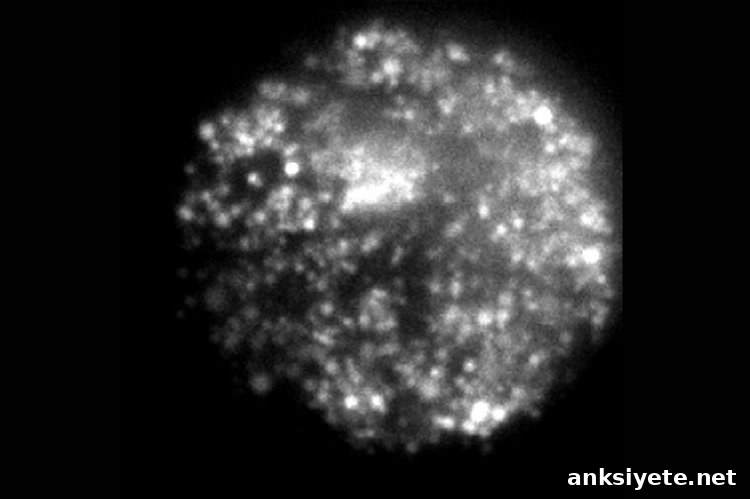
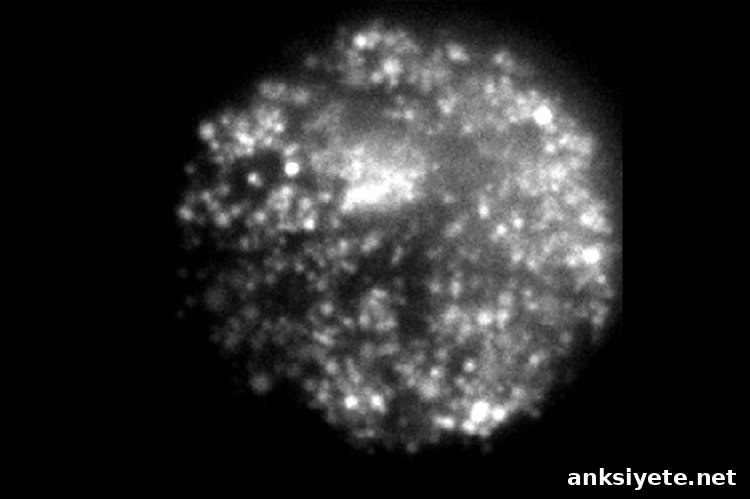
Using high-resolution imaging of neurons and secretory cells from mice, Edwards and his team examined how alpha-synuclein participates in the exocytosis process. Their experiments show that alpha-synuclein has two distinct, dose-dependent effects on vesicle fusion and cargo release.
Dual, Dose-Dependent Effects on Vesicle Fusion
When alpha-synuclein is present at abnormally high levels — a situation that resembles its accumulation in Parkinson’s disease — it can inhibit vesicle fusion with the membrane, reducing neurotransmitter release. By contrast, at normal physiological levels the protein acts differently: once fusion has begun, alpha-synuclein accelerates the expansion of the fusion pore and speeds the discharge of vesicle contents.
In other words, endogenous alpha-synuclein promotes dilation of the exocytotic fusion pore and supports efficient neurotransmitter release, whereas overabundance of the protein can limit fusion events. These opposing actions help explain why both loss of function and toxic gain of function have been proposed as contributors to neurodegeneration.
How Disease-Linked Mutations Affect Function
Several rare, inherited forms of Parkinson’s disease are caused by mutations in the synuclein gene. Edwards and colleagues discovered that these disease-causing mutations impair alpha-synuclein’s normal ability to accelerate fusion-pore dilation without necessarily increasing its inhibitory effects on exocytosis when overexpressed. In other words, the mutations produce a selective loss of the protein’s positive, physiological role while leaving the negative effect intact.
Functionally, this means that even if the inhibitory action persists, the inability of mutant alpha-synuclein to support pore dilation and rapid cargo release results in a net disruption of neurotransmission. Over time, disrupted dopamine release and chronic synaptic dysfunction could contribute to neuronal stress and cell death.
Common, Non-Inherited Parkinson’s and Potential Regulatory Mechanisms
Most Parkinson’s cases are not caused by inherited synuclein mutations but arise sporadically through mechanisms that remain uncertain. Edwards’s team proposes that, in many sporadic cases, a defect that prevents alpha-synuclein from performing its normal pore-dilating role could underlie the progressive loss of dopamine transmission.
One plausible regulatory mechanism implicated by the authors is phosphorylation, a common cellular modification that modulates protein activity. Aberrant phosphorylation of alpha-synuclein could interfere with its normal function at synapses and, over time, contribute to disease progression. Identifying the precise molecular events that alter alpha-synuclein regulation in sporadic Parkinson’s remains an important research goal.
Implications for Therapy and Future Research
By defining the normal, beneficial role of alpha-synuclein in promoting efficient neurotransmitter release, this work reframes how researchers think about the protein’s involvement in Parkinson’s disease. Therapeutic strategies that preserve or restore alpha-synuclein’s physiological activity — or that prevent its accumulation from producing inhibitory effects — may offer new ways to slow or prevent degeneration.
Lead authors on the study were graduate student Todd Logan and postdoctoral fellow Jacob Bendor, PhD, in the Edwards laboratory. The research received support from the National Institutes of Health and the UCSF Weill Institute for Neurosciences. The study was published in Nature Neuroscience under the title “α-Synuclein promotes dilation of the exocytotic fusion pore.”
Abstract (Concise Overview)
Alpha-synuclein plays a central role in Parkinson’s disease, but its normal function has been unclear. Localization at nerve terminals suggested a role in neurotransmitter release. Using adrenal chromaffin cells and neurons, researchers found that both endogenous and overexpressed alpha-synuclein accelerate the kinetics of individual exocytotic events by promoting cargo discharge and reducing pore closure (the so-called “kiss-and-run” mode). These dose-dependent effects on fusion-pore dilation are selectively lost in Parkinson’s-causing mutations: mutant forms of alpha-synuclein fail to promote pore dilation while still inhibiting exocytosis when overexpressed, indicating a specific defect in normal function.