
Summary: Deep brain stimulation led to a substantial and lasting reduction in depressive symptoms for many patients with treatment-resistant major depression.
Source: University of Freiburg
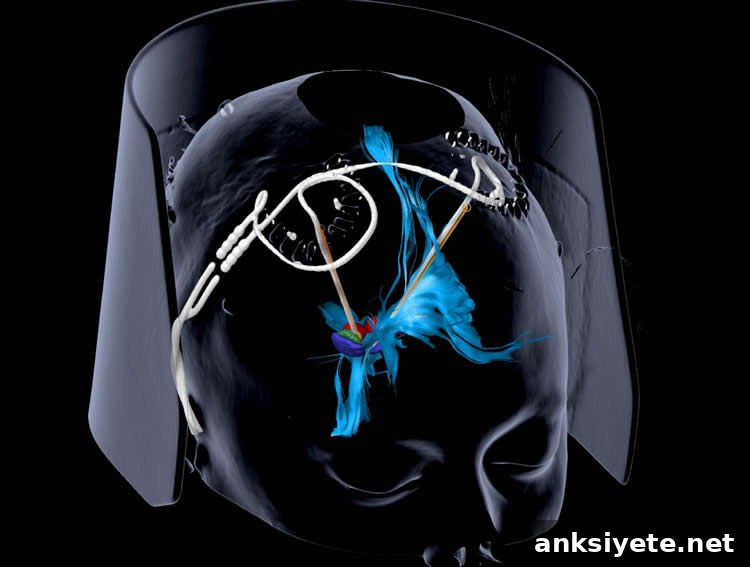
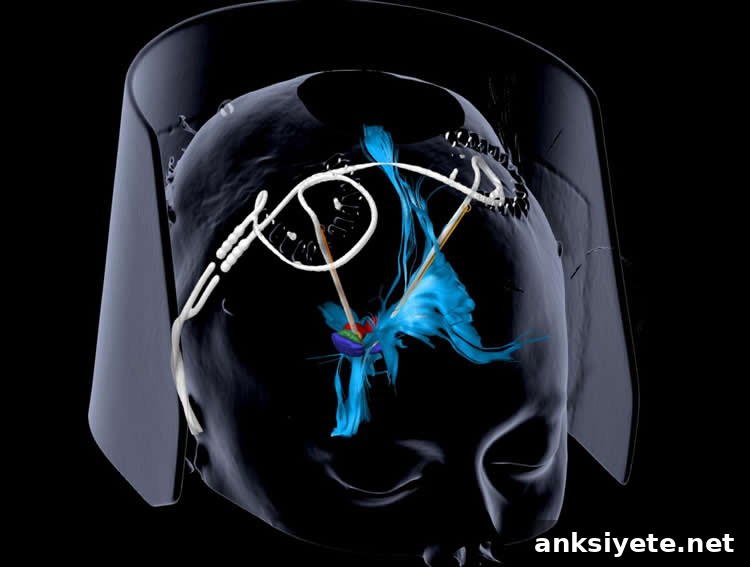
Overview: Researchers at the Medical Center – University of Freiburg, together with colleagues from the University Hospital Bonn, report that deep brain stimulation (DBS) can provide both rapid and sustained relief for some patients with severe, treatment-resistant depression. In a clinical study of 16 patients, thin electrodes were implanted to stimulate the medial forebrain bundle, a key component of the brain’s reward and motivation network. On average, depression severity was reduced by half across the group, and eight participants reached symptom levels below the clinical threshold for depression. Most patients experienced clear improvement within the first week of stimulation, with benefits persisting across one year of follow-up. The study appeared in the journal Neuropsychopharmacology on 14 March 2019.
“The most striking result is the sustained clinical benefit for very severely ill patients,” says Prof. Dr. Thomas Schläpfer, head of the Division of Interventional Biological Psychiatry at the Medical Center – University of Freiburg. “While many psychiatric treatments lose effectiveness over months or years, this study demonstrates that DBS can remain effective long term for people with treatment-resistant depression.”
Patients for Whom Other Treatments Failed
Between 10 and 30 percent of individuals with recurrent depression do not respond to established treatments. The 16 participants in the FORSEE-II study had lived with severe depression for 8 to 22 years and had undergone many prior interventions without lasting benefit—on average 18 medication trials, 20 sessions of electroconvulsive therapy, and approximately 70 hours of psychotherapy.
Prof. Dr. Volker A. Coenen, director of the Stereotactic and Functional Neurosurgery Unit at the Medical Center – University of Freiburg and first author of the study, and his team implanted DBS systems targeting the medial forebrain bundle (MFB). This deep-brain pathway plays a central role in reward processing, motivation, and perceived quality of life—functions that are often disrupted in major depression.
Rapid and Durable Improvements
Outcomes were measured monthly using the Montgomery–Åsberg Depression Rating Scale (MADRS). Ten participants showed marked reductions in MADRS scores within the first week of stimulation, and these improvements were generally maintained throughout the year. By the study’s end, all participants had shown a positive response to stimulation, and eight of the 16 achieved MADRS scores below 10, meeting criteria for remission. “These patients had experienced years of severe, treatment-resistant depression with little or no improvement,” Prof. Schläpfer notes. “DBS provided significant relief quickly for most participants and sustained symptom reduction over time. The durability of the effect is especially notable.”
Prof. Coenen adds that earlier pilot work suggested stimulation of this target could be promising, and the current findings replicate and extend those initial observations.
Next Steps and Regulatory Outlook
Based on these encouraging results, the Freiburg team has launched a larger follow-up trial (FORSEE-III) designed to treat 50 patients with severe depression; fifteen have already undergone surgery. “If the larger trial confirms these outcomes, we are optimistic about the potential for European approval of this therapeutic approach,” says Prof. Schläpfer.
Source:
University of Freiburg
Media contact:
Thomas Schläpfer – University of Freiburg
Image credit:
University of Freiburg – Medical Center
Original research (citation):
“Superolateral medial forebrain bundle deep brain stimulation in major depression: a gateway trial” — Volker A. Coenen et al., Neuropsychopharmacology (2019). DOI: 10.1038/s41386-019-0369-9
Study summary: This Phase I clinical study assessed efficacy and safety of DBS targeting the supero-lateral branch of the medial forebrain bundle (slMFB) in 16 patients with treatment-resistant depression (TRD). Patients were randomized to sham or active stimulation for two months after stimulation onset, with MADRS scores tracked over 12 months. Mean MADRS decreased from 29.6 (SD 4) at baseline to 12.9 (SD 9) at 12 months. All participants met response criteria, most within one week, and half were in remission after one year. The most common adverse effect was transient strabismus. The study documents both a rapid onset and prolonged stability of antidepressant effects from slMFB-DBS and emphasizes careful, adaptive trial design for future randomized controlled studies in DBS for severe, chronic psychiatric disorders.