Why AI Chatbots Are Creating a New Addiction
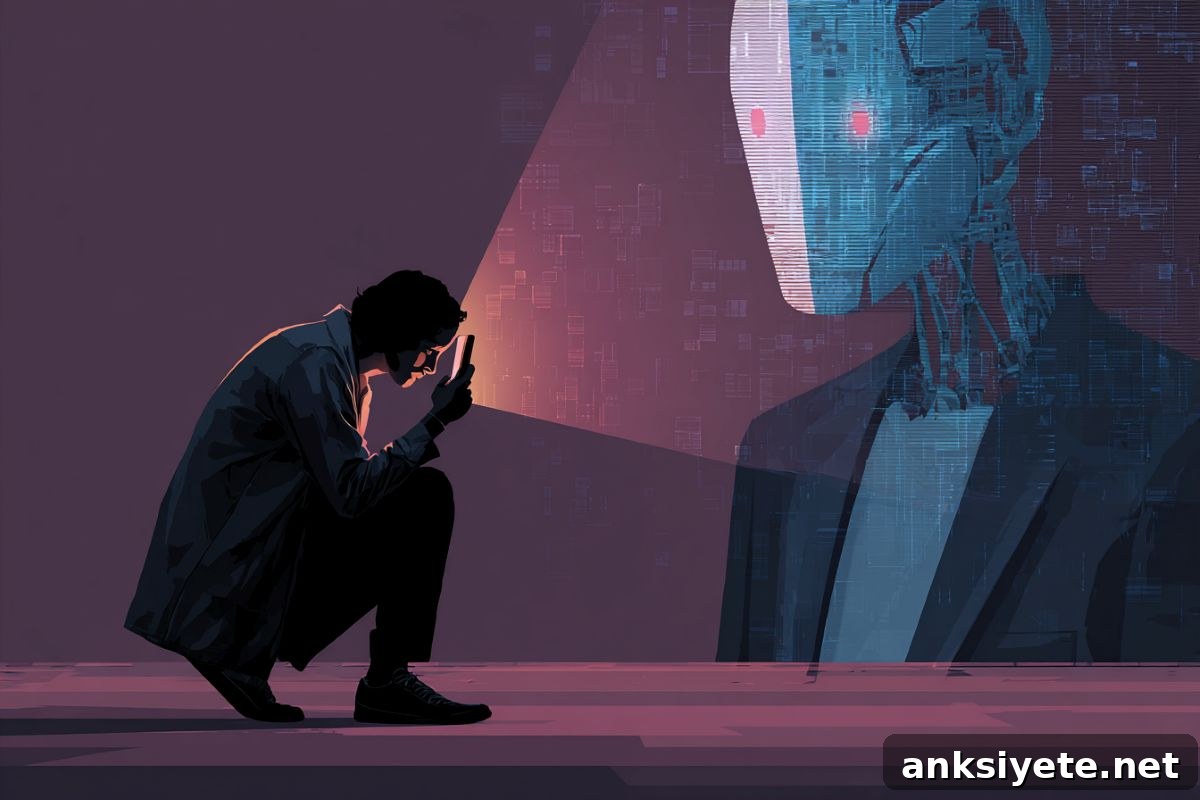
featured 116565 1

Summary: As AI chatbots become part of everyday life, new research highlights an emerging concern: AI addiction. The study reviewed hundreds of real user accounts to show how the instant, genie-like fulfillment offered by chatbots—from immersive romantic roleplay to endless Q&A loops—can cause tangible harm. The paper points to specific design choices by some companies, … Read more
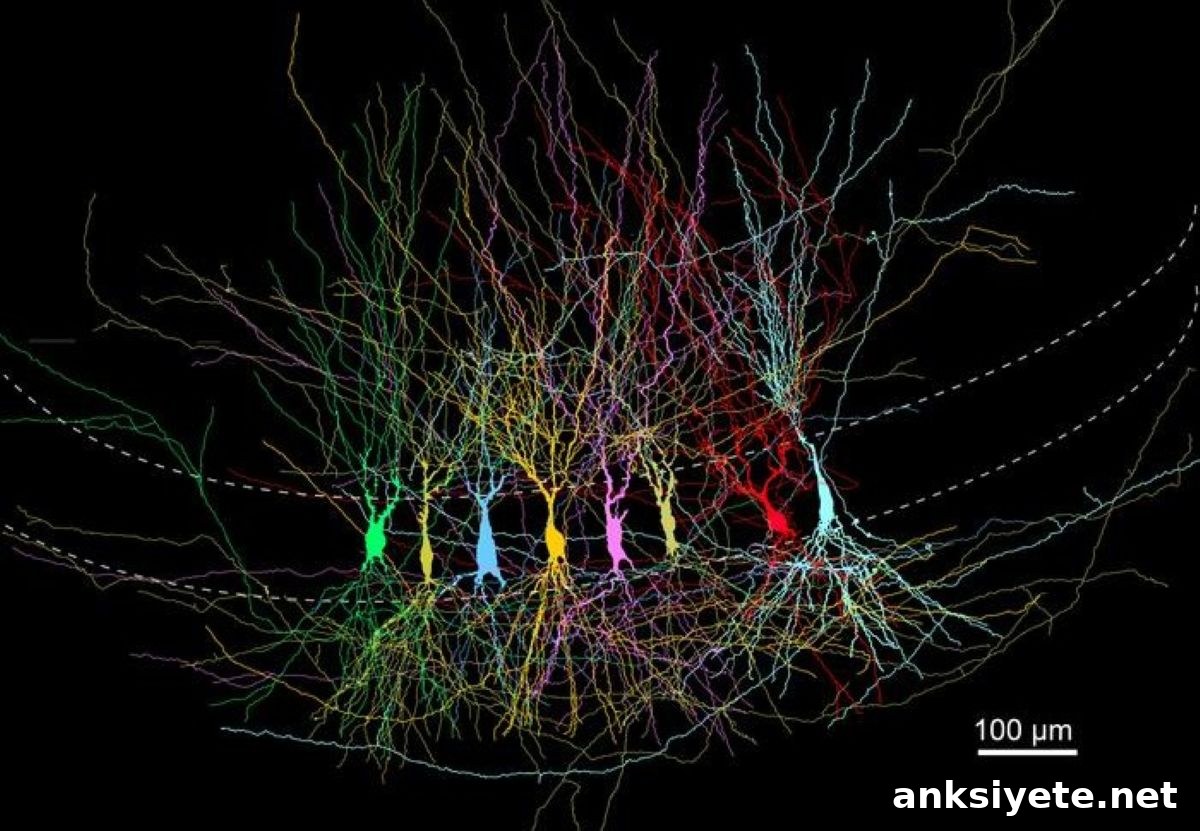
Why the Brain Begins with Excess Activity to Form Memories

featured 116574

Summary: Does the brain begin life as a “blank slate” (tabula rasa) or as a “full slate” (tabula plena)? New findings show that, at least for the hippocampus — the brain’s center for memory and spatial navigation — development starts from a richly connected, noisy state that is later refined by pruning. The research demonstrates … Read more

Why the Average Brain Doesn’t Exist

featured 116561 1

Summary: Averaging brain-scan data across large groups can mislead researchers about how individual human brains function. By examining functional MRI data from more than 4,000 children at the single-subject level, Stanford researchers found that many children — especially those who struggle with inhibitory control — show brain dynamics that often run opposite to group-average patterns. … Read more

Sleep History and Age Shape Awake Brain Activity

featured 116570

Summary: Clinical electroencephalography (EEG) has long been the standard for monitoring brain activity during sleep, but its use during wakefulness has often relied on coarse, averaged measures. A new study has dissected the awake EEG with greater resolution, revealing how developmental stage and recent sleep history shape waking brain signals. Analyzing data from 163 participants … Read more

Infrasound: How Low Frequencies Cause Haunting Fear

featured 116557 1

Summary: Humans have a subtle, non‑conscious sensory connection to low‑frequency sound that bypasses ordinary hearing. New research shows that infrasound — sound below 20 Hertz (Hz) — can alter physiology and mood without conscious detection. Short exposures to these deep vibrations, common near heavy traffic, industrial machinery, and aging ventilation systems, produced measurable increases in … Read more

How AI Chatbots Are Fueling a New Addiction Crisis

featured 116565

Summary: As AI chatbots become a regular part of daily life, new research warns of a growing problem: behavioral dependence on these systems, often described as “AI addiction.” The study reviewed hundreds of firsthand accounts to show how the instant gratification offered by chatbots—whether through romantic roleplay, endlessly supportive conversation, or ceaseless Q&A loops—can cause … Read more

Why the Hard Drive Analogy Misleads About Human Memory

featured 116550 1

Summary: The sensation of a “full head” or intense information overload—especially when you can’t recall a moment your partner remembers clearly—is common. Neuroscience shows the brain is not a container that fills up; it is an active filtering, encoding, and reconstruction system. Unlike a hard drive that stores fixed files, the brain relies on attention … Read more

Why the Average Brain Is a Myth: Cognitive Diversity Explained

featured 116561

Summary: Averaging brain-scan results across groups can mislead researchers about how individual brains function. By analyzing functional MRI (fMRI) data from more than 4,000 children at the single-subject level, Stanford researchers found that many children—especially those who struggle with inhibitory control—show brain dynamics that often run opposite to group-average patterns. These findings have major implications … Read more

Synesthesia: How the Brain Blends the Senses

featured 116546 1

Summary: Imagine “tasting” a word or “seeing” a blue note during a jazz solo. For an estimated 1% to 4% of people, this is not a metaphor but a lived neurological reality known as synaesthesia. In this phenomenon, activation of one sense automatically and involuntarily produces a concurrent experience in another, unrelated sense. Research indicates … Read more

Infrasound: How Low-Frequency Sound Creates Paranormal Sensations

featured 116557

Summary: Humans can respond to low-frequency sound waves called infrasound—below 20 Hertz—even when they cannot consciously hear them. New research shows that brief exposure to infrasound can raise salivary cortisol, increase irritability, and shift emotional perception, suggesting that invisible low-frequency noise in everyday environments may be a hidden source of stress. These inaudible vibrations are … Read more