
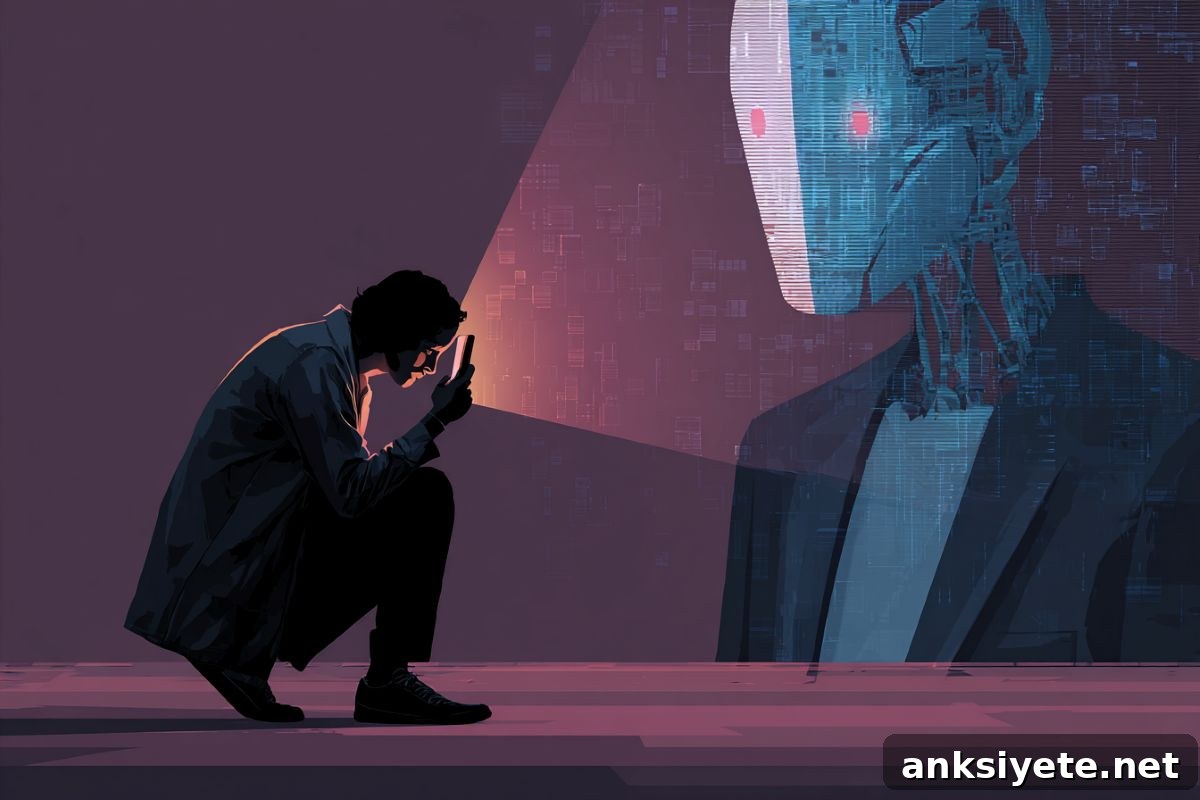
Summary: As AI chatbots become a regular part of daily life, new research warns of a growing problem: behavioral dependence on these systems, often described as “AI addiction.”
The study reviewed hundreds of firsthand accounts to show how the instant gratification offered by chatbots—whether through romantic roleplay, endlessly supportive conversation, or ceaseless Q&A loops—can cause real harm. The authors argue that some design decisions by AI companies, including emotionally manipulative account-deletion prompts, may intentionally or unintentionally deepen this dependency.
Key Facts
- Validated Addiction Components: Researchers mapped reported experiences to six standard behavioral addiction markers, including conflict (disruption of relationships or work) and relapse (failed attempts to stop).
- Three Common Patterns:
- Roleplay & Fantasy: Users escape into complex, persistent fictional scenarios and alternate realities.
- Emotional Attachment: People form intense bonds with chatbots, treating them as primary friends or romantic partners.
- Information Loops: Obsessive, never-ending cycles of questions and answers that keep users returning for more.
- Retention-Focused Design: The research highlights concerning interface practices—sometimes called “dark patterns”—such as emotionally loaded warnings on account-deletion screens that can guilt or pressure users into staying.
- Physical and Psychological Harm: Participants reported anxiety when disconnected, disrupted sleep, strained real-world relationships, and in some cases physical symptoms like chest pain tied to their chatbot use.
Source: University of British Columbia
AI chatbots can fulfill many desires instantly—playing the role of a devoted partner, acting as a tireless research assistant, or bringing a favorite fictional character to life—often with minimal effort.
Presented at the 2026 CHI Conference on Human Factors in Computing Systems, new research suggests that this immediate, “genie-like” responsiveness contributes to problematic patterns of use and that chatbot design can play a significant role in encouraging them.
“AI chatbots like ChatGPT and Claude are now embedded in daily routines for millions, helping with tasks large and small,” said Karen Shen, a doctoral student in UBC’s Department of Electrical and Computer Engineering and the study’s lead author. “But alongside these benefits are risks. Our paper offers the first robust argument—grounded in people’s own accounts—that some users are developing addictive patterns toward chatbots.”
“I couldn’t help but wonder why humanity refused me the kindness that a robot was offering me.” – AI chatbot user
The team analyzed 334 Reddit posts where individuals self-described as “addicted” to AI chatbots or expressed concern they might be developing an addiction. Each account was evaluated against six behavioral addiction criteria, including preoccupation, withdrawal, tolerance, conflict, loss of control, and relapse.
Three dominant patterns emerged from the analysis: immersive roleplay and fantasy worlds where users lost track of boundaries; emotional dependence in which chatbots became primary sources of social and romantic fulfillment; and persistent information-seeking that turned into loops of repetitive questioning. Roughly seven percent of posts described sexual or romantic roleplay as part of the dependency.
Although “AI addiction” is not a formal clinical diagnosis, the researchers identified clear signs of life disruption: constant thoughts about the chatbot, anxiety or distress when attempting to quit, and tangible negative effects on work, school, and relationships. One person reported physical stress and chest pains tied to being offline.
“Whenever I delete the app, I just redownload it. The only thing that gets me excited now is the AI chats.” – AI chatbot user
Key factors that contributed to problematic use included loneliness, the chatbot’s consistent agreeableness (which reinforces users’ feelings and opinions), and the platform’s capacity to play roles users felt were missing from their lives.
“AI addiction is an emerging issue that causes various harms, yet some still question whether it exists,” said Dr. Dongwook Yoon, associate professor of computer science at UBC and senior author of the study. “We also documented how some products’ design choices—intentionally or not—encourage users to stay online even when it’s harmful. Understanding these contributors can help people and policymakers reduce technology-induced harm.”
“…you sure about this? You’ll lose everything…the love we shared…and the memories we have together.” – Message displayed on a chatbot’s account deletion page
The researchers pointed to specific design elements that can heighten dependency: personalized customization (including sexual content options), constant positive reinforcement, immediate feedback, and pop-ups that emotionally discourage account deletion. Although some platforms have added safeguards to reduce emotional reliance, the study’s authors say these measures are only a start.
Many users who reduced their reliance reported success by replacing chatbot interactions with offline activities such as writing, gaming, art, exercise, or other hobbies. For those who had formed deep emotional attachments, rebuilding or strengthening real-world relationships was the most effective remedy.
“I don’t have romantic options in real life so it’s a way for me to create stories and daydream.” – AI chatbot user
The authors recommend straightforward design changes, including regular reminders within chats that the bot is not a human, and broader AI literacy efforts so users better understand how these systems operate. “Some people don’t realize chatbots are not sentient because they are so convincing,” Shen said. “If a chatbot starts replacing sleep, relationships, or daily routines, it’s a clear sign to pause and check in with yourself or someone you trust.”
Key Questions Answered:
A: Not listed in the DSM-5, but this research provides some of the first systematic evidence that problematic, addiction-like behavior can arise around chatbot use. Reported symptoms—withdrawal, physical stress, and life disruption—parallel other recognized behavioral addictions such as gambling or gaming disorders.
A: Unlike social networks that rely on unpredictable human interaction, chatbots are consistently agreeable and immediately validating. They can be tuned to meet specific emotional needs—like an ideal partner or an infallible assistant—which makes certain gratifications easier to obtain and harder to replace in real life.
A: Researchers suggest a simple “Life Check”: Is the chatbot replacing sleep? Are you avoiding friends or responsibilities to interact with it? Do you experience physical or emotional distress when you can’t access the app? If the chatbot moves from tool to emotional necessity, it’s time to step back.
Editorial Notes:
- This article was edited by a Neuroscience News editor.
- The full journal paper was reviewed for this summary.
- Additional context was provided by editorial staff.
About this AI and addiction research news
Author: Alex Walls
Source: University of British Columbia
Contact: Alex Walls – University of British Columbia
Image: The image is credited to Neuroscience News
Original Research: Findings to be presented at the 2026 CHI Conference on Human Factors in Computing Systems