Complete Biofeedback Therapy Toolkit for Therapists

featured 130703

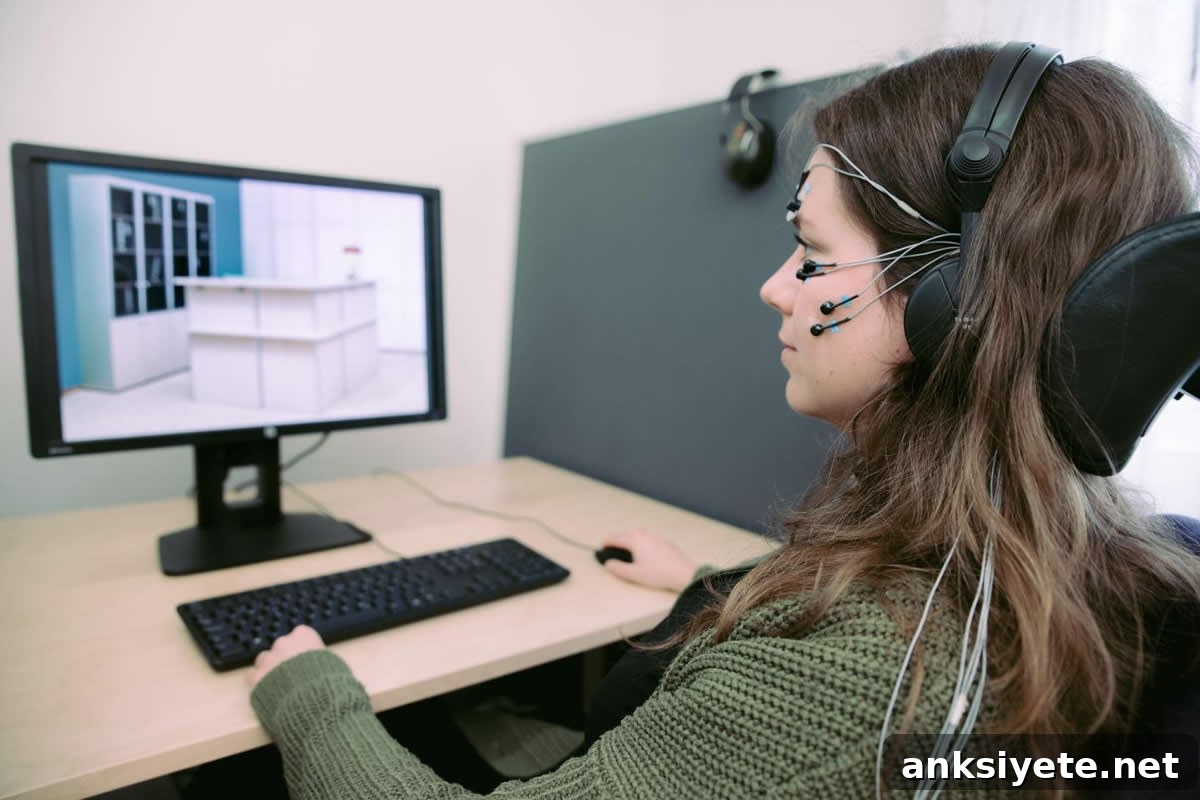
Life changes, while often essential for our wellbeing, can feel like a leap of faith. We aim to become more confident, less stressed, more assertive, and better able to manage anxiety. But how do we know whether those changes are actually working? How can we tell if our efforts are improving how we cope with … Read more
How the Brain Sees the World: Visual Perception Explained

featured 25648

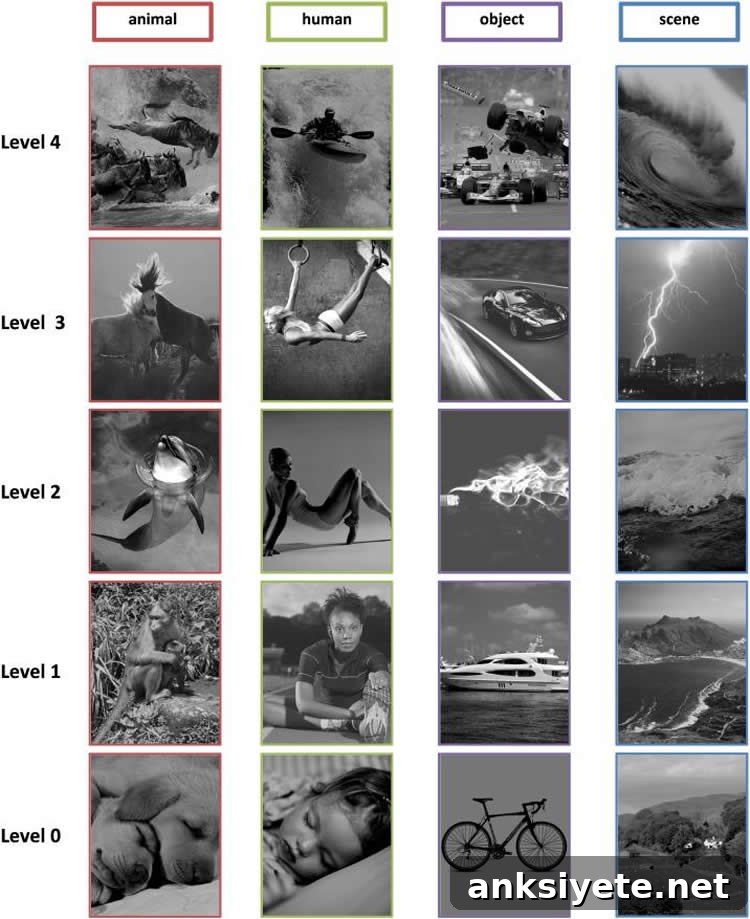
Dartmouth researchers reveal how the brain interprets motion and still images to help us navigate a complex visual world A Dartmouth College study shows how the human brain combines information about motion and object identity to interpret dynamic scenes, even when motion is only implied in a still image. The findings, published in the journal … Read more

3D Brain Atlas Reveals Key Stages of Human Brain Development

featured 105570

Summary: Scientists have produced a high-resolution, three-dimensional atlas of the developing mouse brain that captures anatomical changes from embryonic stages through early postnatal life. This interactive resource maps cellular and structural development across multiple timepoints, enabling researchers to track the emergence and distribution of important cell types—such as GABAergic neurons implicated in autism, schizophrenia and … Read more

6 Tests and Scales to Measure Your Happiness

featured 74987

Happiness is subjective. We usually know when we feel happy and when we do not, but measuring happiness requires structured tools. Psychologists quantify subjective wellbeing with self-report questionnaires that ask people to rate statements about their emotions, engagement, meaning, relationships, and accomplishments (Diener et al., 2018). Without a clear sense of our current happiness, it’s … Read more

Older Adults Can Match Undergrad Cognitive Skills, Study Finds

featured 92626

Summary: Older adults who learned several new, real-world skills showed lasting cognitive improvements — and those gains increased over time, according to a new study. Source: UCR New research shows that learning multiple unfamiliar, practical skills at the same time can produce sustained cognitive benefits for older adults. Researchers led by Rachel Wu, an associate … Read more

What Worry Does to Your Brain and How to Cope

featured 13182

Caltech researchers identify neural circuit that drives stress-induced anxiety More than 18 percent of American adults experience anxiety disorders, according to the National Institute of Mental Health. These disorders involve excessive worry or tension and often produce physical symptoms. While much anxiety research has focused on the amygdala, a Caltech research team has turned attention … Read more

What Causes Alzheimer’s Disease? Origins and Risk Factors

featured 49134

Summary: Researchers examined the role of the BMI1 gene in the onset and progression of Alzheimer’s disease. Their results suggest that reduced BMI1 expression can trigger increased amyloid‑beta and tau production and impair neuronal clearance of toxic proteins. Source: University of Montreal New Insights into the Origins of Late‑Onset Alzheimer’s Disease After more than a … Read more

Physicist’s Technique Could Transform Brain Mapping

featured 9693

UT Arlington physicist develops fiber-optic two-photon optogenetic stimulator to map neural interactions A new research tool developed by Samarendra Mohanty, an assistant professor of physics at the University of Texas at Arlington, promises to help scientists map and monitor how neurons interact across different areas of the brain. The device is a compact fiber-optic, two-photon … Read more

PTSD Treatment Strategies to Help Clients Process Trauma

featured 143530

Imagine surviving a traumatic event such as a car crash, an earthquake, or an explosion. That in itself would be distressing. Now imagine reliving that experience repeatedly, as if trapped in a waking nightmare every day. For many people worldwide, this is the reality of post-traumatic stress disorder (PTSD). Some individuals who experience severe trauma … Read more

New Medication Could Boost PTSD Therapy Results

featured 59212

Summary: In a randomized, double-blind experimental trial, a drug that raises levels of the body’s own cannabis-like chemicals—endocannabinoids—by inhibiting the enzyme FAAH (fatty acid amide hydrolase) enhanced recall of fear extinction and reduced stress responses in healthy volunteers. These findings suggest FAAH inhibitors may help improve therapies for post-traumatic stress disorder (PTSD) and other stress-related … Read more