
Time-Dependent Brain Reorganization Supports Motor Recovery After Focal Brain Injury
Researchers from RIKEN Center for Life Science Technologies and the AIST Human Technology Research Institute in Japan report a time-dependent interaction between distant and local brain regions that supports motor recovery after focal brain damage, such as stroke. Published in the Journal of Neuroscience, their study shows that rehabilitative training initially recruits brain areas farther from the lesion and later strengthens functional connections near the damaged tissue as motor skills are remapped.
The team examined the specific form of neural plasticity that enables recovery of fine motor control following injury to a region of the primary motor cortex responsible for hand movements. While rehabilitative training is known to drive structural and functional changes that improve impaired motor ability, exactly how these changes unfold during recovery has remained unclear.
To address this, the researchers used a nonhuman primate model in which animals sustained damage to the cortical area that controls precision hand movements. The experimental rehabilitation protocol required the monkeys to repeatedly and rapidly grasp a small piece of potato using a precision grip between thumb and index finger through a narrow opening. This task demands high dexterity and served as a sensitive measure of hand function throughout the recovery process. Training sessions lasted roughly 30 minutes per day over several weeks, which led to substantial improvements in the animals’ ability to perform the precision grip.
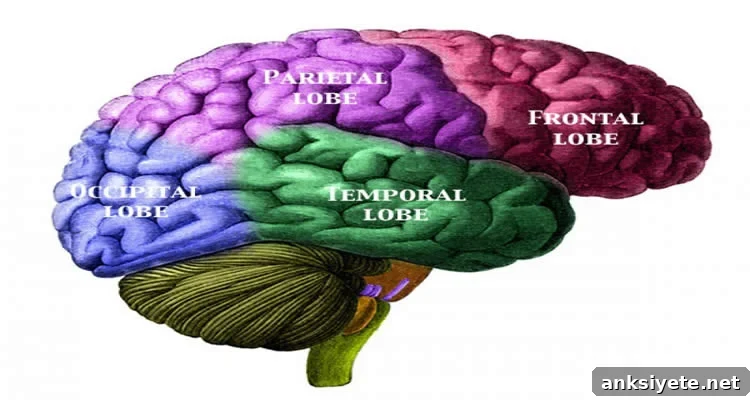
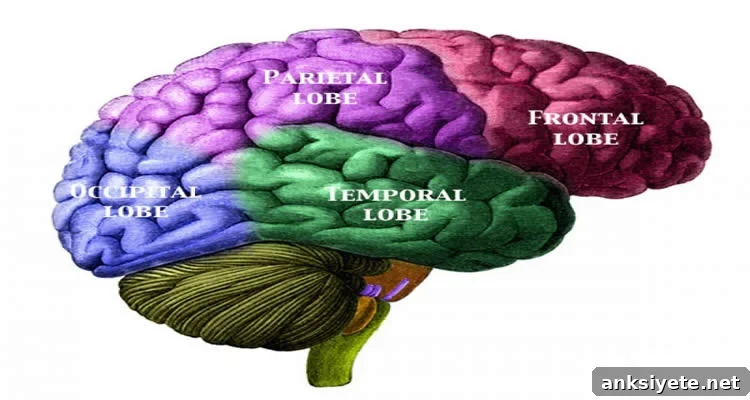
To track neural activity changes associated with recovery, the investigators measured regional brain activity using H215O-positron emission tomography (PET) before injury and during both early and late recovery stages while the animals performed the trained task. Imaging results revealed elevated activity in the ventral premotor cortex—a region located relatively distant from the lesion—during the early recovery stage compared with pre-injury activity. Later in recovery, psychophysiological interaction (PPI) analysis revealed strengthened functional connectivity between the lesion site and adjacent areas of the primary motor cortex surrounding the damaged tissue.
To determine whether activity in these regions was causally important for recovery, the researchers performed temporary inactivation experiments at different recovery stages. Early in recovery, transiently inactivating the ventral premotor cortex on the same side as the lesion disrupted precision grip performance—even when the inactivated zones had not been essential for hand movements prior to injury. This finding indicates that distant premotor areas can be recruited to support motor output immediately after damage.
As recovery progressed, the area of primary motor cortex bordering the lesion became increasingly dedicated to precision grip movements. Inactivation of this peri-lesional cortex during the later stage selectively impaired precision grip while leaving other grip types relatively unaffected—an effect opposite to the broader impairments observed when the same areas were inactivated before lesioning. These results suggest a sequential process: early recruitment of remote premotor regions compensates for lost function, and subsequent local reorganization consolidates skill-related representations around the lesion site.
The authors emphasize the translational potential of these findings. Yumi Murata of AIST noted that the results could guide development of improved rehabilitation strategies, pharmacological therapies, and objective methods to evaluate rehabilitative progress. Hirotaka Onoe of RIKEN added that more effective rehabilitation approaches could reduce the long-term burden strokes impose on patients and their families by accelerating and enhancing functional recovery.
Contact: Adam Phillips – RIKEN
Source: RIKEN press release
Image Source: Public domain image
Original Research: Study published in the Journal of Neuroscience